
How Early Oral Evaluations Help Identify Tongue and Lip Restrictions
As parents, we spend a lot of time watching our children grow and develop. From their first smile to their first words, every milestone feels important. What many parents may not realize is that some of the earliest signs of healthy development begin inside the mouth long before a child starts school or even gets all their baby teeth.
The way a child uses their tongue, lips, and oral muscles can influence feeding, breathing, swallowing, speech development, and even the growth of their jaws and facial structures. When these oral structures do not move as freely as they should, tongue and lip restrictions may be a contributing factor.
At Evergreen Pediatric & Airway Dentistry, Dr. Susan Kim and her team believe that early evaluation plays an important role in understanding a child’s oral development. By identifying potential concerns early, families can gain valuable insight into how their child’s oral function may be affecting their overall growth and well-being.
What Are Tongue and Lip Restrictions?
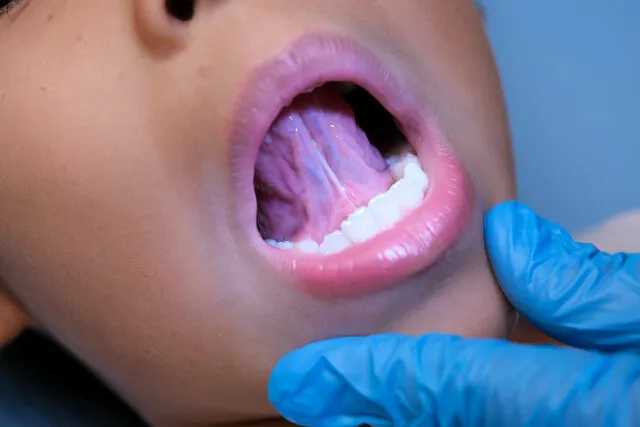
Tongue and lip restrictions occur when soft tissue attachments limit normal movement of the tongue or lips. These tissues naturally exist in everyone, but in some children they may restrict mobility enough to affect everyday functions.
The tongue plays a critical role in feeding, swallowing, breathing, oral posture, and speech development. The lips also contribute to feeding efficiency, proper oral function, and facial muscle development.
When movement is limited, children may develop compensatory habits that can affect how they eat, sleep, breathe, or grow over time.
Because symptoms can vary greatly from child to child, restrictions are not always immediately obvious to parents.
Tongue and Lip Restriction
Why Early Evaluation Matters
Many developmental concerns become easier to address when identified early. During infancy and childhood, the mouth, jaws, airway, and facial structures are growing rapidly. Evaluating oral function during these important developmental years provides an opportunity to identify concerns before they potentially contribute to larger challenges.
Parents often assume that feeding difficulties, mouth breathing, speech concerns, or restless sleep are unrelated issues. In reality, these symptoms can sometimes share a common connection through oral function.
An early oral evaluation helps create a more complete picture of a child’s development and allows parents to better understand how oral structures may be influencing everyday activities.
Signs That May Suggest a Tongue or Lip Restriction
Not every child with a tongue or lip restriction will experience the same symptoms. Some children show signs shortly after birth, while others may not experience noticeable concerns until later in childhood.
Parents may observe:
In Infants
Difficulty latching during feeding
Frequent unlatching
Clicking sounds while feeding
Extended feeding sessions
Frustration during feedings
Poor milk transfer
Excessive gas from swallowing air
Difficulty gaining weight appropriately
In Toddlers and Young Children
Persistent mouth breathing
Difficulty chewing certain foods
Messy eating habits
Challenges with oral hygiene
Speech development concerns
Frequent drooling
Restless sleep
Snoring
In Older Children
Crowded teeth
Narrow dental arches
Difficulty keeping the tongue properly positioned
Ongoing mouth breathing habits
Fatigue related to poor sleep quality
Jaw development concerns
While these symptoms do not automatically indicate a restriction, they may suggest the need for a comprehensive evaluation.
The Relationship Between Oral Function and Airway Health
One of the reasons Evergreen Pediatric & Airway Dentistry places such emphasis on oral development is the close relationship between the tongue, jaws, and airway.
The tongue is designed to rest against the roof of the mouth when not actively being used. This natural posture helps support healthy growth and development of the upper jaw.
When tongue movement is restricted, normal oral posture may be more difficult to maintain. Over time, this can influence how the jaws develop and how air moves through the airway.
Because breathing and oral development are closely connected, airway-focused evaluations often include a careful assessment of oral function.
This whole-child approach helps identify factors that may be contributing to symptoms such as mouth breathing, restless sleep, or developmental concerns.
Tongue and Lip Restriction Treatment
What Happens During an Early Oral Evaluation?
Parents are often surprised by how comprehensive an oral evaluation can be.
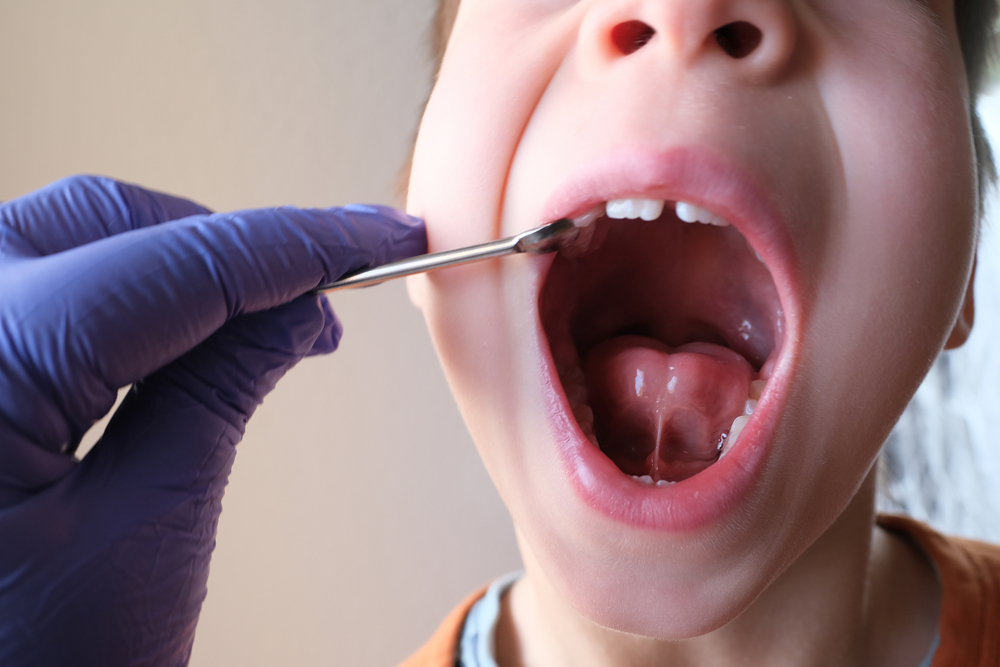
At Evergreen Pediatric & Airway Dentistry, the goal is not simply to determine whether a restriction exists. Instead, Dr. Susan Kim evaluates how the tongue, lips, jaws, and surrounding structures are functioning together.
An evaluation may include assessment of:
Tongue mobility
Lip mobility
Oral posture
Feeding history
Breathing patterns
Jaw growth and development
Facial growth characteristics
Swallowing function
Sleep-related symptoms
Overall oral health
Parents are encouraged to share their observations and concerns. Information about feeding experiences, sleep habits, breathing patterns, and developmental milestones often helps provide valuable context.
This personalized approach ensures that recommendations are based on the child’s individual needs rather than a one-size-fits-all assessment.
Why Some Restrictions Are Missed
One reason tongue & lip restrictions can go undetected is that children are remarkably adaptable.
Many children develop compensatory strategies that allow them to function despite limited oral mobility. While these adaptations may help in the short term, they can sometimes mask underlying concerns.
For example, a child may learn to use different muscles to compensate during feeding or develop mouth breathing habits that become normalized over time.
Without a focused evaluation, these patterns can be easy to overlook.
This is why many parents are surprised to learn that issues they’ve been noticing for years may have roots in early oral development.
Looking Beyond Feeding
Feeding difficulties are often the most commonly recognized sign of oral restrictions, but oral function influences many aspects of daily life.
The tongue contributes to:
Swallowing
Breathing
Speech production
Oral posture
Jaw development
Facial growth
Similarly, the lips and surrounding muscles help support proper oral function and coordination.
Because these structures are involved in so many developmental processes, evaluating their function can provide valuable insight into a child’s overall health and development.
The Benefits of Early Awareness
Early evaluation does not simply identify potential concerns—it provides parents with information.
Many families find reassurance in understanding how their child’s oral structures are developing and whether any areas deserve closer monitoring.
Early awareness may help:
Support healthy oral development
Monitor jaw growth patterns
Identify airway-related concerns
Improve understanding of feeding challenges
Provide insight into sleep-related symptoms
Promote proactive pediatric dental care
Parents often appreciate having a clearer understanding of how oral function fits into the bigger picture of their child’s health.
Tongue and Lip Restriction Release
A Whole-Child Approach to Pediatric Dental Care
At Evergreen Pediatric & Airway Dentistry, dental care goes beyond checking for cavities and cleaning teeth. Dr. Susan Kim takes a comprehensive approach that considers how oral health, airway development, growth patterns, and oral function work together.
This philosophy allows families to receive care that supports both immediate concerns and long-term wellness.
By paying attention to factors such as tongue mobility, breathing patterns, jaw development, and oral posture, the team helps children build a strong foundation for healthy growth.
Helping Children Thrive Through Early Evaluation
Parents know when something doesn’t seem quite right, even if they can’t immediately explain why. Whether it’s feeding challenges, mouth breathing, restless sleep, or concerns about oral development, those observations are important.
Early oral evaluations provide an opportunity to better understand how a child’s tongue, lips, and oral structures are functioning during critical stages of growth. By identifying potential concerns early, families can gain valuable insight into their child’s development and make informed decisions about their care.
At Evergreen Pediatric & Airway Dentistry, Dr. Susan Kim and her team are committed to helping children thrive through compassionate, personalized care that focuses on the connection between oral health, airway development, and overall wellness. Through comprehensive evaluations and a whole-child approach, families can feel confident they are supporting their child’s healthiest future from the very beginning.