
The Benefits of Early Treatment for Babies with Oral Tethering
The first few months of a baby’s life are filled with important milestones. Feeding, sleeping, bonding with parents, and healthy growth all play a crucial role in a child’s development. When something interferes with these essential functions, parents naturally begin looking for answers for oral tethering.
Understanding Oral Tethering
Oral tethering refers to soft tissue attachments within the mouth that restrict the normal movement of the tongue, lips, or other oral structures. While these tissues are naturally present in everyone, some babies have restrictions that limit mobility enough to interfere with normal function.
For newborns and infants, proper tongue and lip movement is essential for feeding. Successful feeding requires a baby to create suction, maintain a secure latch, coordinate swallowing, and breathe comfortably at the same time. When oral movement is restricted, even these basic tasks can become more difficult.
Because oral function influences many aspects of development, the effects of oral tethering can sometimes extend beyond feeding alone.
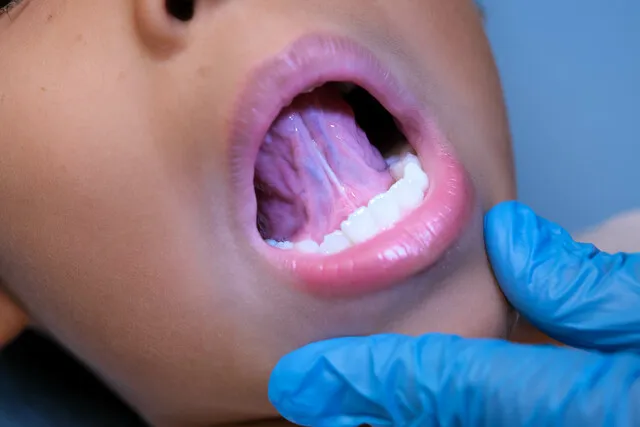
Treatment for Babies with Oral Tethering
Recognizing the Signs of Oral Tethering
Every baby is different, and symptoms can range from mild to more noticeable. Some infants show signs immediately after birth, while others may develop challenges over time.
Parents may notice:
Difficulty latching during breastfeeding or bottle-feeding
Frequent slipping off the breast or bottle
Clicking sounds during feeding
Long or exhausting feeding sessions
Frustration while feeding
Excessive gas from swallowing air
Frequent spit-up
Poor milk transfer
Slow or inconsistent weight gain
Falling asleep quickly during feedings
Increased fussiness after eating
In many cases, parents sense that feeding is harder than it should be, even if they cannot pinpoint exactly why. Trusting those instincts and seeking an evaluation can help uncover whether oral tethering may be contributing to the problem.
Why Early Identification Matters
One of the biggest advantages of early evaluation is gaining clarity during a critical stage of development.
The first year of life is a period of rapid growth. During this time, babies are developing feeding patterns, strengthening oral muscles, establishing breathing habits, and building the foundation for future growth. Identifying oral tethering early allows families to better understand how oral function may be influencing these developmental processes.
Many parents spend weeks or months troubleshooting feeding challenges without realizing that restricted oral mobility could be playing a role. Early assessment can help provide answers and guide families toward appropriate care options sooner rather than later.
Feeding Can Become Easier and More Efficient
One of the most immediate benefits parents often seek is improved feeding function.
When oral structures can move more effectively, babies may be better able to:
Maintain a comfortable latch
Create effective suction
Transfer milk more efficiently
Complete feedings in less time
Swallow with greater coordination
Experience less frustration during feedings
Efficient feeding is important not only for nutrition but also for the overall feeding experience. Parents often report feeling less stress and greater confidence when feeding sessions become more comfortable for both themselves and their baby.
Supporting Healthy Growth and Weight Gain
Proper feeding directly supports healthy growth and development during infancy.
When feeding difficulties persist, babies may need to work harder to obtain adequate nutrition. Even when they consume enough milk, inefficient feeding can lead to longer sessions, increased fatigue, and frustration.
By addressing factors that may be contributing to feeding challenges, families can better support their child’s ability to receive nutrition efficiently and comfortably.
Healthy feeding habits established during infancy can also create a strong foundation for future oral development and overall wellness.
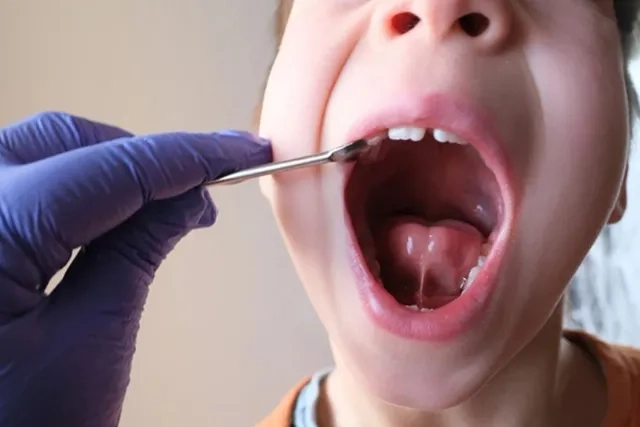
Treatment for Kids with Oral Tethering
The Connection Between Oral Tethering and Airway Health
At Evergreen Pediatric & Airway Dentistry, oral function is viewed as part of a much larger picture.
The tongue plays an important role not only in feeding but also in breathing and oral posture. Healthy tongue mobility helps support proper positioning within the mouth and contributes to normal growth of the jaws and surrounding structures.
Because the tongue, mouth, jaws, and airway develop together, restrictions that affect tongue movement may also influence oral and facial development over time.
This is one reason Dr. Susan Kim takes an airway-focused approach when evaluating infants and young children. Looking at oral function alongside airway development provides a more complete understanding of a child’s overall health and growth.
Early Treatment May Support Healthy Oral Development
The structures of the mouth are constantly changing during infancy and childhood. Healthy oral function helps guide these structures as they grow.
When movement restrictions are identified and addressed early, it may help support:
Proper tongue posture
Healthy jaw development
Balanced oral muscle function
Effective swallowing patterns
Normal oral growth
Because development happens so quickly during infancy, early intervention can provide an opportunity to support these important processes while growth is still occurring.
Improving Comfort for Both Baby and Parents
Feeding difficulties can affect the entire family. Parents often feel overwhelmed when feedings are taking longer than expected or when their baby appears frustrated, uncomfortable, or unable to feed efficiently.
Many families describe feelings of exhaustion, worry, and uncertainty as they try to determine why feeding is so difficult.
By identifying potential oral restrictions and understanding how they may be affecting function, parents often experience a sense of relief. Even simply having answers can make a significant difference in reducing stress and helping families move forward with confidence.
What to Expect During an Oral Function Evaluation
At Evergreen Pediatric & Airway Dentistry, evaluations are designed to be thorough, compassionate, and personalized.
Dr. Susan Kim carefully assesses:
Tongue mobility
Lip mobility
Feeding history
Oral function
Breathing patterns
Jaw development
Airway-related considerations
Overall oral growth
Parents are encouraged to share their concerns, observations, and feeding experiences. Every baby is unique, and understanding the full picture helps ensure recommendations are tailored to the child’s specific needs.
The goal is not simply to identify a restriction but to understand how oral structures are functioning and how they may be impacting the child’s development.

Pediatric Oral Tethering Treatment
Looking Beyond Infancy
Although feeding is often the primary concern during infancy, oral function continues to influence development as children grow.
The tongue and oral muscles play important roles in:
Swallowing
Speech development
Breathing
Oral posture
Jaw growth
Facial development
This is why many parents appreciate learning about oral function early. Understanding these connections allows them to take a proactive approach to their child’s oral health and development.
A Whole-Child Approach to Care
At Evergreen Pediatric & Airway Dentistry, care extends beyond teeth and gums. Dr. Susan Kim focuses on the relationship between oral function, airway development, feeding, growth, and overall wellness.
This whole-child philosophy helps families gain a better understanding of how seemingly unrelated symptoms may be connected. By evaluating children comprehensively and providing individualized guidance, the practice supports healthy development from infancy through adolescence.
Helping Your Baby Thrive from the Start
The earliest months of life lay the foundation for future growth and development. When feeding difficulties, oral restrictions, or concerns about oral function arise, early evaluation can provide valuable answers and direction.
At Evergreen Pediatric & Airway Dentistry, Dr. Susan Kim and her team are committed to helping families understand the connection between oral tethering, feeding, airway health, and overall development. Through compassionate care and comprehensive evaluations, they help babies and parents navigate challenges with confidence and support healthier outcomes for the future.
If your baby is experiencing feeding difficulties or you have concerns about oral function, an early evaluation may be an important step toward understanding the cause and supporting your child’s healthiest start.
Evergreen Pediatric Dentistry
https://www.google.com/maps?cid=14720788683151219551
12910 Totem Lake Blvd NE #103, Kirkland, WA 98034, United States
(425) 814-3196
https://evergreenkidsdentist.com/