
Why Airway-Focused Dental Care Is Changing Pediatric Health Outcomes
You’ve made sure your child eats nutritious meals, goes to bed on time, and never misses a checkup. Yet something still feels off. Maybe they’re restless at night, struggling to focus during the day, or catching every bug that comes around. Before you blame yourself or wonder what you’re missing, consider this: the answer might lie in how your child breathes.
Airway-focused dental care represents a shift in how pediatric dentistry approaches children’s health. Rather than simply treating cavities or straightening teeth, this approach asks a deeper question: why are these issues happening in the first place? By examining the connection between oral structures and breathing, dentists can identify root causes that affect sleep quality, behavior, and overall development.
This guide explores how your child’s oral structures directly influence their airway, why breathing well forms the foundation of health, and how early, thoughtful dental guidance can lead to meaningful improvements in sleep, behavior, and vitality. Understanding this connection empowers parents to advocate for comprehensive care that supports their child’s full potential.
Beyond Fillings: The Philosophy of Airway-Focused Dentistry
A Shift from “What” to “Why”
Traditional dentistry often focuses on identifying problems—a cavity here, a misaligned tooth there. Airway-focused dentistry takes a different approach by asking why these issues developed. This perspective recognizes that many dental concerns are actually symptoms of underlying structural or functional challenges. A narrow palate or crowded teeth, for example, may signal restricted airway development that affects far more than just oral health.
The Mouth as the Gateway to the Airway
The mouth, jaw, and nasal passages form an interconnected system where structure directly impacts function. The shape and position of oral structures determine how efficiently a child can breathe, particularly during sleep when muscles naturally relax. A high, narrow palate or recessed jaw can physically restrict airflow, forcing a child to work harder for every breath. Airway-focused care recognizes these connections and addresses them proactively.
A Partnership in Health
This approach thrives on collaboration between dental professionals, parents, and often other specialists like ENTs or pediatricians. Your observations about your child’s sleep patterns, eating habits, and daytime behavior provide essential pieces of the puzzle. Rather than working in isolation, airway-focused dentistry values the parent’s role as the primary expert on their child’s daily life and needs.
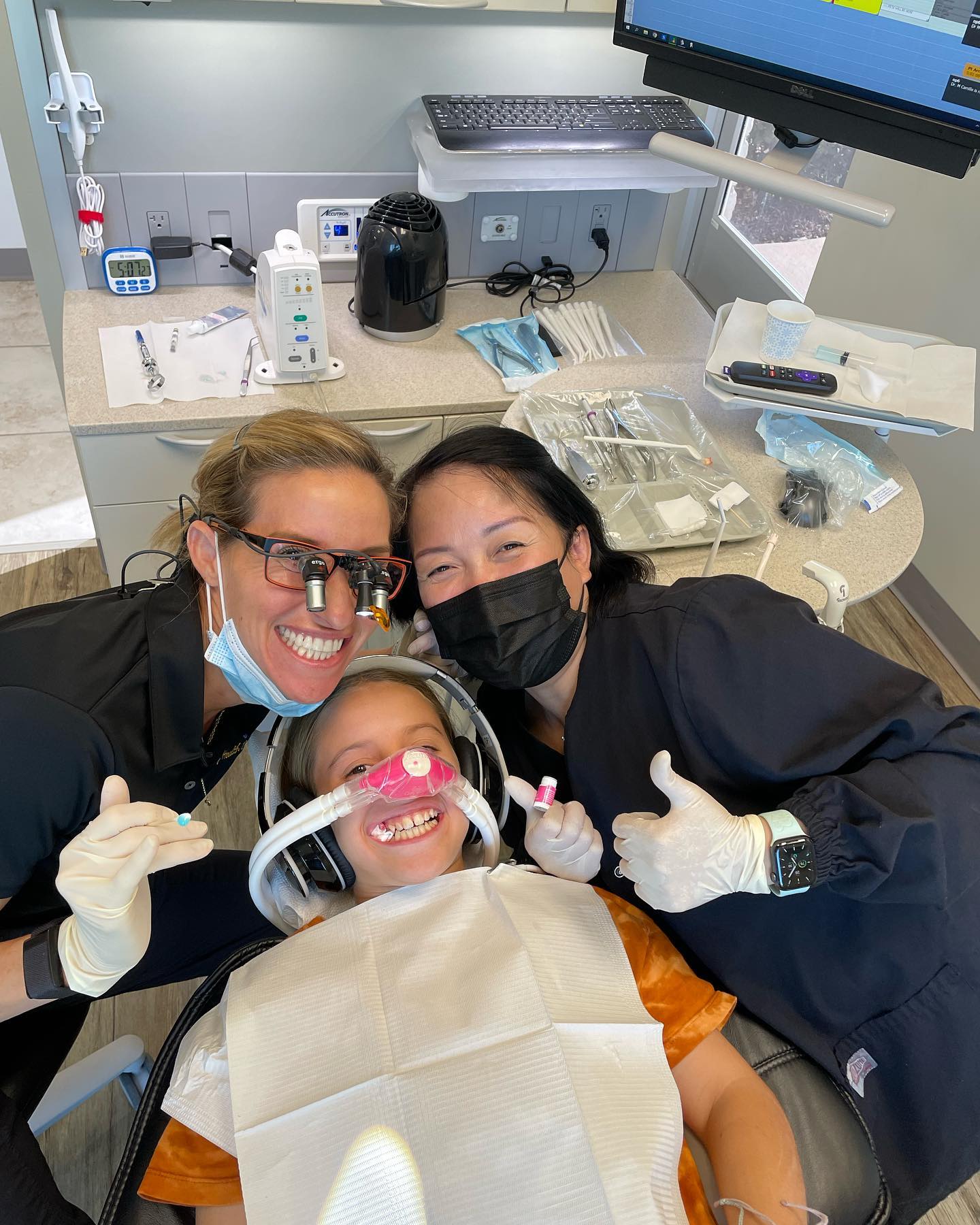
Airway-Focused Dental Care
How Oral Structures Shape Breathing
The Palate’s Dual Role
The roof of the mouth serves a dual purpose: it’s both the ceiling of the oral cavity and the floor of the nasal cavity. This simple anatomical fact has profound implications. When the palate develops high and narrow—often due to mouth breathing or low tongue posture—it physically restricts the nasal passages above. This narrowing makes nasal breathing difficult, creating a cycle where mouth breathing becomes necessary, which further impacts palate development.
Jaw Position and Airway Space
The position and size of the lower jaw directly affect the airway space behind the tongue. When the jaw is recessed or underdeveloped, the tongue gets pushed backward, narrowing the throat’s airway passage. During sleep, when all muscles relax, this narrowing becomes even more problematic. The airway can partially or completely collapse, forcing the child to wake slightly to restore breathing—sometimes dozens of times per night.
The Power of the Tongue
The tongue acts as a natural palate expander when it rests properly against the roof of the mouth. This position, maintained throughout the day and night, provides gentle, constant pressure that guides the upper jaw to grow wide and forward. Proper tongue posture creates space for a full set of teeth to emerge naturally aligned while simultaneously supporting a broad, open airway that allows effortless breathing.
The Domino Effect: When Breathing is Compromised
The Fight for Oxygen During Sleep
When a child struggles to breathe at night, their body enters a state of chronic stress. Snoring, gasping, or pauses in breathing prevent the deep, restorative sleep cycles that growing bodies and developing brains desperately need. Instead of cycling smoothly through sleep stages, these children experience repeated micro-arousals as their body fights to get enough oxygen.
The Link to Behavior and Focus
Sleep deprivation in children rarely looks like tiredness—it often appears as hyperactivity, impulsivity, and difficulty concentrating. Research shows that symptoms commonly attributed to ADHD can actually stem from sleep-disordered breathing. A child running on empty tries to compensate with constant movement and stimulation. Emotional regulation becomes harder, meltdowns increase, and the ability to sit still and focus in school deteriorates.
Impact on Physical Growth and Immunity
Deep sleep triggers the release of growth hormone and allows the immune system to perform essential maintenance functions. When breathing difficulties fragment sleep, these processes get disrupted. Some children fall off their expected growth curve. Others seem to catch every cold and infection that passes through their classroom because their immune system never gets the downtime it needs to function optimally.
The Evergreen Pediatric Dentistry Approach: Nurturing Growth
Comprehensive Airway Screening
At Evergreen Pediatric Dentistry, routine examinations include careful, gentle screening of airway development, jaw growth, and breathing patterns. This goes beyond checking for cavities. The assessment looks at facial proportions, palate width, tongue function, and signs of airway obstruction. These screenings can identify concerns early, when guiding healthy development is simplest and most effective.
Holistic and Biologically Minded Care
The philosophy at Evergreen centers on supporting the body’s natural ability to thrive. Rather than waiting for problems to worsen before intervening, proactive guidance helps encourage healthy growth patterns. This approach uses gentle methods to prevent more complex issues from developing, recognizing that small adjustments early in development can have profound, lasting effects on a child’s health trajectory.
A Safe Space for Concerned Parents
Understanding airway-focused care can feel overwhelming, especially when it challenges conventional dental wisdom. The team at Evergreen Pediatric Dentistry listens to parental concerns with empathy and provides clear, unhurried explanations. Parents leave consultations feeling informed rather than pressured, empowered to make decisions that align with their values and their child’s needs.
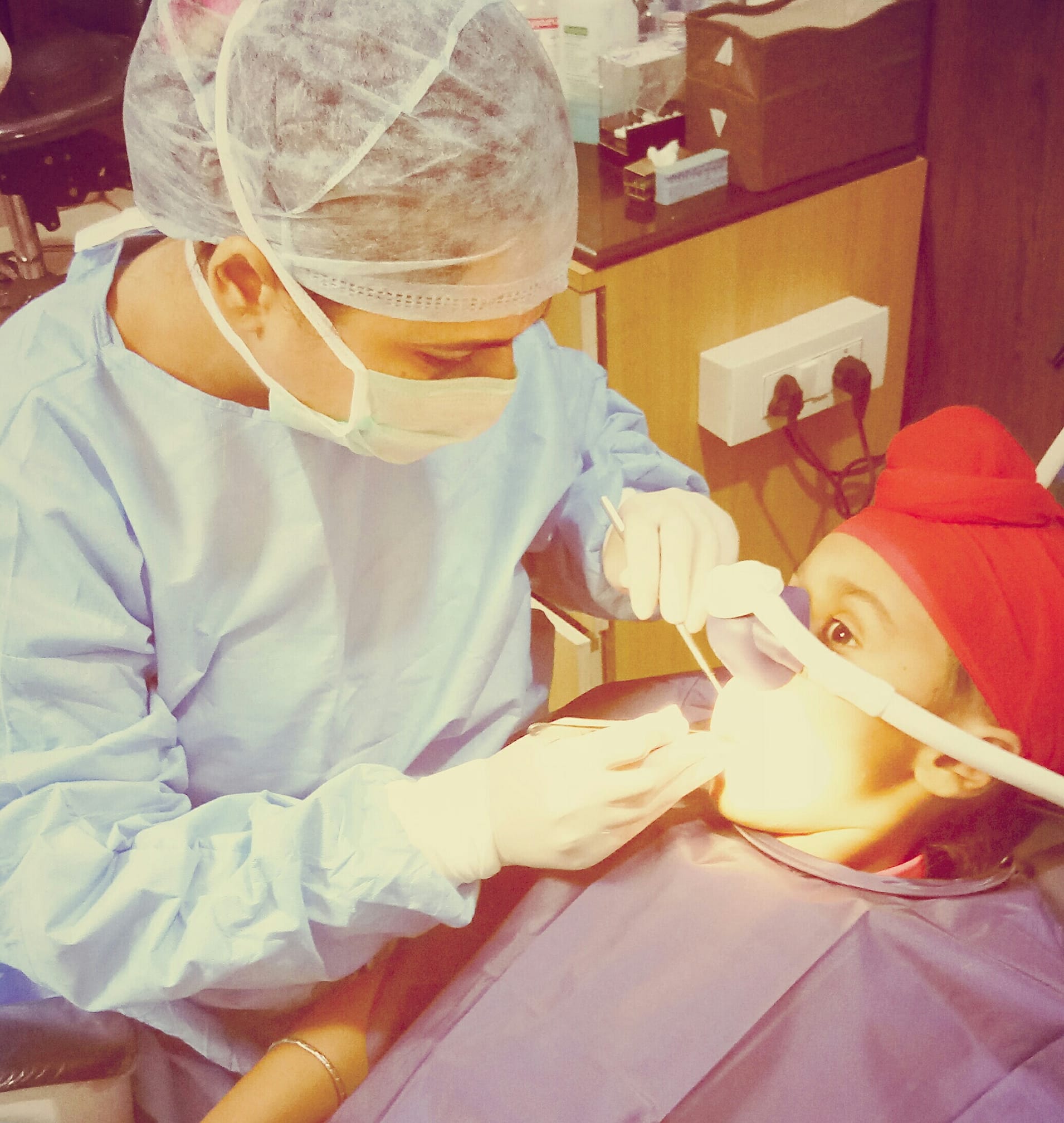
Airway-Focused Dental Treatment
Early Signs That Warrant an Airway Evaluation
Noisy Nights and Restless Sleep
Chronic snoring in children is never normal, despite being common. Gasping sounds, heavy breathing, or frequent position changes during sleep all indicate that a child is working too hard to breathe. Excessive sweating at night, bedwetting in older children, or waking up with headaches can also signal oxygen deprivation during sleep.
Daytime Clues to Look For
Watch for persistent mouth breathing—children should breathe through their nose when calm and at rest. Dark circles under the eyes, sometimes called “allergic shiners,” often indicate poor sleep quality. A long, narrow facial structure or forward head posture can develop as the body compensates for airway restrictions.
Challenges with Eating or Speech
Difficulty chewing tough or crunchy foods, extreme pickiness with food textures, or delays in speech development can sometimes trace back to oral-motor challenges that also affect breathing. A tongue-tie that restricts movement, for example, can impact both how a child eats and speaks while simultaneously affecting tongue posture and airway development. These seemingly separate concerns often share common root causes.
Gentle, Proactive Solutions to Guide Development
Myofunctional Therapy (Mouth and Tongue Exercises)
Myofunctional therapy works like physical therapy for the mouth and face. Simple, targeted exercises retrain the muscles to support nasal breathing and proper tongue posture. Children practice these exercises for just a few minutes each day, gradually building new habits that provide a functional foundation for healthy growth. The approach is gentle, non-invasive, and often remarkably effective at establishing patterns that serve children throughout their lives.
Interceptive Orthodontics (Growth Guidance)
Rather than waiting until all permanent teeth have erupted to address crowding, interceptive orthodontics acts early to guide jaw development. Palatal expanders, for instance, gently widen the upper jaw during peak growth periods. This creates more room for teeth to emerge naturally aligned while simultaneously expanding the nasal passages and increasing airway space. The timing makes all the difference—working with natural growth is far simpler than trying to change established patterns later.
Releasing Oral Tethers
When a tongue-tie restricts proper tongue movement and posture, a simple laser procedure can release the restrictive tissue. The procedure is quick and gentle, allowing the tongue to move freely and rest in its proper position. This release often leads to immediate improvements in nursing for infants, eating for toddlers, and speech for older children, while also supporting the long-term airway benefits of correct tongue posture.
The Long-Term Impact: A Foundation for Lifelong Health
Changing the Trajectory of Health
Addressing airway issues during childhood doesn’t just solve immediate problems—it can alter the entire trajectory of health. Adults who suffered from sleep-disordered breathing as children face higher risks of hypertension, anxiety, depression, and chronic fatigue. By intervening early, airway-focused dentistry helps prevent these downstream consequences, setting children up for healthier, more vibrant adult lives.
Building a Radiant, Confident Smile
When jaws develop to their full genetic potential, teeth have adequate space to emerge straight and beautifully aligned. The healthy smile becomes a natural outcome of a healthy system rather than something achieved through years of aggressive orthodontics. Faces develop balanced proportions, with broad smiles and well-defined features that reflect the thriving health beneath.
The Gift of Restful Sleep
Perhaps the most immediate and transformative benefit is the restoration of truly restful sleep. Children who breathe effortlessly at night wake refreshed and ready to learn, play, and grow. Behavior improves, focus sharpens, and the whole family experiences the relief that comes with peaceful nights. This foundation of quality sleep supports every aspect of a child’s development and well-being.

Airway Dental Care
A New Paradigm for Children’s Health
Airway-focused dental treatment is transforming pediatric health outcomes by addressing root causes rather than managing symptoms. This approach recognizes that the mouth is not separate from the rest of the body—it’s an integral part of systems that control breathing, sleep, growth, and development. When dental care considers these connections, it can identify and address issues that might otherwise go unrecognized for years.
Parents serve as their child’s most important health advocates. Trusting your intuition when something doesn’t seem right, asking questions, and seeking providers who look at the whole picture can make a profound difference. You don’t need to choose between conventional dental care and comprehensive health support—airway-focused dentistry offers both.
If your child shows signs of sleep difficulties, chronic mouth breathing, or developmental concerns, consider scheduling an airway assessment at Evergreen Pediatric Dentistry. Understanding how your child’s oral structures support their breathing and overall health provides a roadmap for supporting their full potential. Every child deserves the foundation of effortless breathing and restorative sleep—the building blocks for a vibrant, healthy life.
Evergreen Pediatric & Airway Dentistry
Dr. Susan Kim
12910 Totem Lake Blvd NE #103
Kirkland, WA 98034
(425) 814-3196
Get Directions on Google Maps
evergreenkidsdentist.com