
Pediatric Sleep Apnea vs. Snoring: When Should Parents Be Concerned?
Hearing your child snore might seem harmless at first. Many parents assume it’s just a normal part of childhood, especially when little ones have a cold or stuffy nose. However, frequent or loud snoring can sometimes signal something more serious: pediatric sleep apnea.
Sleep-disordered breathing affects more children than many realize. While occasional snoring is usually nothing to worry about, consistent patterns of interrupted breathing during sleep can impact growth, behavior, and learning. Children with untreated sleep apnea may struggle with concentration, experience mood swings, or show signs of developmental delays.
Recognizing the difference between harmless snoring and a potential sleep disorder is essential. Early identification helps protect your child’s long-being and supports healthy development. Understanding the warning signs allows parents to take action before sleep issues affect their child’s quality of life.
This guide explores pediatric sleep apnea, normal snoring patterns, and the key symptoms parents should monitor. It also explains how dental and medical professionals, including providers like Evergreen Pediatric Dentistry, work together to support children’s airway health and overall wellness.
What Is Pediatric Sleep Apnea?
Definition and Causes
Pediatric sleep apnea occurs when a child’s breathing repeatedly stops and starts during sleep. This happens due to airway obstruction, often caused by enlarged tonsils, adenoids, or structural differences in the jaw and throat. When airflow is blocked, oxygen levels drop, prompting the brain to wake the child briefly to resume breathing. These interruptions can happen multiple times per night, disrupting restorative sleep cycles.
Types of Sleep Apnea
Two main types of sleep apnea affect children: obstructive sleep apnea (OSA) and central sleep apnea (CSA). OSA is more common and results from physical blockages in the airway. CSA, on the other hand, stems from the brain not sending proper signals to the muscles that control breathing. Parents should understand these distinctions, as treatment approaches differ depending on the type and severity of the condition.
Connection to Oral and Jaw Development
Airway structure plays a significant role in sleep quality. Children with narrow jaws, high palates, or underdeveloped facial bones are more prone to breathing difficulties during sleep. Dental professionals trained in airway health, such as those at Evergreen Pediatric Dentistry, assess how jaw and palate development influence breathing patterns. Addressing structural concerns early can help improve airflow and reduce the risk of sleep-disordered breathing.
Pediatric Sleep Apnea vs. Snoring
Understanding Snoring in Children
Normal vs. Concerning Snoring
Occasional snoring is common and usually harmless, particularly when children have a cold or seasonal allergies. However, loud, persistent snoring that occurs nightly may indicate an underlying problem. Parents should pay attention to the frequency and intensity of snoring, as these factors help determine whether further evaluation is necessary.
Common Causes
Snoring often results from temporary conditions like nasal congestion, allergies, or sinus infections. Enlarged tonsils and adenoids are another frequent culprit, especially in younger children. These structures can partially block the airway, causing vibrations that produce snoring sounds. Identifying the root cause helps parents and healthcare providers decide on the best course of action.
When Snoring Signals a Problem
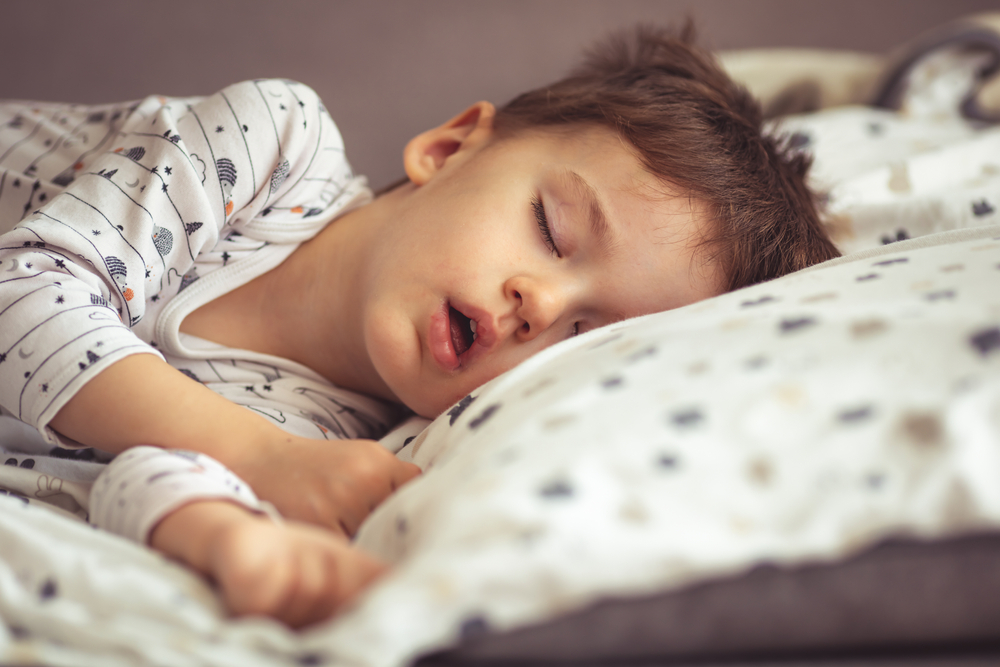
Not all snoring is benign. If your child snores loudly most nights, gasps for air, or shows signs of restless sleep, these patterns may suggest sleep apnea. Snoring accompanied by pauses in breathing or frequent waking during the night warrants professional evaluation. Distinguishing between typical snoring and a potential disorder ensures children receive appropriate care before complications arise.
Signs and Symptoms to Watch For
Nighttime Indicators
During sleep, children with sleep apnea may exhibit several telltale signs. Gasping or choking sounds, pauses in breathing lasting several seconds, and restless tossing and turning are common. Excessive sweating during the night, even in a cool room, can also indicate labored breathing. Parents who notice these symptoms should monitor their child’s sleep patterns closely and consult a healthcare provider.
Daytime Signs
Sleep apnea doesn’t just affect nighttime rest—it carries over into daytime behavior. Children may wake up with headaches, feel unusually tired despite a full night’s sleep, or struggle to stay alert during the day. Irritability, hyperactivity, and difficulty concentrating are frequent complaints. These symptoms often mimic attention disorders, making accurate diagnosis essential.
Behavioral and Academic Effects
Chronic sleep disruption takes a toll on a child’s emotional and cognitive development. Poor sleep quality can lead to mood swings, anxiety, and behavioral challenges at home and school. Academic performance may suffer as well, with children finding it harder to focus, retain information, or complete tasks. Addressing sleep-disordered breathing supports not only physical health but also mental and emotional well-being.
Risk Factors for Pediatric Sleep Apnea
Anatomical Considerations
Certain physical characteristics increase the likelihood of sleep apnea. Children with small or recessed jaws, narrow airways, or enlarged tonsils and adenoids are at higher risk. Structural differences in the nose, palate, or throat can also contribute to breathing difficulties during sleep. Dental evaluations that assess jaw alignment and airway structure help identify these risk factors early.
Weight and Lifestyle Factors
Excess weight can contribute to sleep apnea by placing additional pressure on the airway. While childhood obesity is a known risk factor, even children at a healthy weight can develop sleep-disordered breathing due to anatomical or genetic factors. Lifestyle habits, such as poor sleep hygiene or limited physical activity, may also play a role in overall sleep quality.
Genetics and Family History
Sleep apnea often runs in families. If a parent or sibling has been diagnosed with the condition, other children in the household may be more susceptible. Genetic predispositions related to jaw structure, muscle tone, or airway anatomy can increase risk. Recognizing these patterns allows parents to stay vigilant and seek early evaluations when necessary.
Kids Sleep Apnea vs. Snoring
The Role of Dental and Pediatric Evaluation
Oral Assessments by Evergreen Pediatric Dentistry
Dental professionals trained in airway health play an important role in identifying sleep-disordered breathing. During routine checkups, dentists examine the jaw, palate, and airway to detect signs of obstruction or developmental concerns. These assessments help determine whether a child’s oral structure may be contributing to sleep issues.
Collaborating with Pediatricians
Effective care for pediatric sleep apnea requires collaboration between dental and medical providers. When a dentist identifies potential airway concerns, they often refer families to a pediatrician or sleep specialist for further evaluation. This coordinated approach ensures children receive comprehensive care tailored to their specific needs.
Early Detection Benefits
Catching sleep-disordered breathing early prevents long-term complications. Untreated sleep apnea can affect growth, development, and overall health. Timely intervention—whether through lifestyle adjustments, dental appliances, or medical treatment—supports better sleep quality and helps children thrive physically, mentally, and emotionally.
Treatment and Management Options
Lifestyle and Environmental Adjustments
Simple changes at home can sometimes improve sleep quality. Managing allergies with antihistamines or nasal sprays reduces congestion that contributes to snoring. Encouraging children to sleep on their side rather than their back may also help keep airways open. Maintaining a clean, allergen-free bedroom environment supports healthier breathing during sleep.
Dental and Orthodontic Solutions
For children with structural concerns, dental appliances can help. Orthodontic treatments that expand the palate or align the jaw improve airflow and reduce obstructions. Providers like Evergreen Pediatric Dentistry offer guidance on when these interventions may be beneficial, supporting both airway health and proper oral development.
Medical Interventions
Some cases require medical treatment. Removing enlarged tonsils or adenoids is a common solution for children with obstructive sleep apnea caused by these structures. In more severe cases, continuous positive airway pressure (CPAP) therapy may be recommended to keep the airway open during sleep. Physicians work closely with families to determine the most appropriate course of action.
Supporting Healthy Sleep Habits at Home
Consistent Bedtime Routines
Establishing a regular bedtime routine helps children wind down and prepare for restful sleep. Activities like reading, dimming lights, and limiting screen time signal the body that it’s time to relax. Consistency in sleep schedules—going to bed and waking up at the same time each day—improves overall sleep quality.
Creating a Sleep-Friendly Environment
The bedroom environment plays a crucial role in sleep quality. Keeping the room dark, quiet, and cool promotes uninterrupted rest. Removing distractions like electronic devices and ensuring a comfortable mattress and pillow also contribute to better sleep. Parents should prioritize creating a space where children feel safe and relaxed.
Monitoring and Follow-Up
Ongoing observation and professional follow-up ensure children continue to breathe and sleep well as they grow. Regular dental checkups at practices like Evergreen Pediatric Dentistry allow for continued monitoring of jaw and airway development. Parents should stay in communication with their child’s healthcare team to address any emerging concerns promptly.
Sleep Apnea vs. Snoring in Children
Protecting Your Child’s Sleep and Health
Distinguishing between normal snoring and pediatric sleep apnea is essential for safeguarding your child’s health. Recognizing warning signs—such as gasping during sleep, chronic fatigue, or behavioral changes—empowers parents to seek timely professional evaluation. Understanding risk factors and available treatment options helps families make informed decisions about their child’s care.
Early intervention makes a meaningful difference. Addressing sleep-disordered breathing prevents complications that can affect growth, learning, and emotional well-being. Whether through lifestyle adjustments, dental solutions, or medical treatments, supporting healthy breathing during sleep sets children up for long-term success.
Partnering with trusted providers like Evergreen Pediatric Dentistry ensures your child receives comprehensive, compassionate care. When children breathe easier and sleep better, they thrive in every area of life—physically, mentally, and emotionally. If you have concerns about your child’s sleep patterns, don’t hesitate to reach out to a healthcare professional who can guide you toward the best path forward.
Evergreen Pediatric & Airway Dentistry
Dr. Susan Kim
12910 Totem Lake Blvd NE #103
Kirkland, WA 98034
(425) 814-3196
Get Directions on Google Maps
evergreenkidsdentist.com