
When to Visit an Emergency Dentist Instead of the ER for Dental Pain
Dental pain can be unsettling, especially when it appears suddenly and with varying levels of intensity. For many parents and patients, the immediate question is not just how to relieve the pain, but where to go for help. The confusion between visiting an emergency dentist or heading straight to the hospital emergency room is more common than expected.
One reason for this uncertainty is that dental issues can sometimes mimic medical emergencies. Severe toothaches, swelling, or trauma to the mouth can feel alarming, making it difficult to determine whether the problem is strictly dental or something more serious.
Dental emergencies typically involve issues related to teeth, gums, or oral structures—such as cracked teeth, infections, or knocked-out teeth—best treated by a dental professional. Medical emergencies, on the other hand, may involve broader health risks like difficulty breathing, uncontrolled bleeding, or trauma affecting other parts of the face or body, which require hospital care. Choosing the correct care provider not only ensures faster relief but also helps avoid unnecessary expenses and prolonged discomfort.
Understanding Your Child’s Dental Pain
Locating the source of the discomfort
When a child is hurting, finding the exact spot takes a calm and gentle approach. Start by having your child point to the general area, then use a small, clean flashlight to look inside the mouth without touching. Look for obvious signs like a dark spot on a tooth, a trapped piece of food, or a swollen patch of gum tissue.
Decoding different types of pain
Pain communicates exactly what is happening beneath the surface of the smile. A sharp, piercing feeling often points to a cracked tooth or a newly lost filling that leaves nerves exposed to the air. A constant, dull ache usually signals a deep cavity or a developing infection that requires immediate attention.
Listening to your child’s cues
Young children often lack the words to describe their physical discomfort accurately. Pay close attention to physical signs like constant rubbing of the jaw, pulling at the ear, or a sudden refusal to eat favorite foods. These silent indicators speak volumes about the level of pain your child is experiencing. Trust your parental instincts when behavior suddenly shifts.

Emergency Pediatric Dental Treatment
Why the ER Might Not Be the Best Choice
The limits of hospital dental care
Emergency rooms excel at handling severe medical traumas, but they rarely have the tools or personnel to fix a broken smile. Most hospitals do not keep a dentist on staff to perform actual dental procedures like fillings, extractions, or root canals. Taking your child to the ER for a standard toothache often results in a long wait for care that cannot solve the underlying problem.
Temporary relief versus complete healing
Hospital staff focus on stabilizing patients and managing immediate symptoms. For a dental emergency, an ER doctor will typically prescribe antibiotics to manage an infection and pain medicine to ease the ache. While this approach provides temporary comfort, the decayed or broken tooth remains untreated and will inevitably cause pain again.
The stress of the hospital environment
Hospitals are naturally loud, bright, and bustling environments designed for urgent medical traumas. This chaotic atmosphere easily increases your child’s anxiety, making a painful situation feel even more overwhelming. A pediatric dental office offers a much quieter, soothing space specifically designed to keep children calm and comfortable.
Clear Signs You Need an Emergency Dentist
Handling knocked-out or broken teeth
Structural damage to a tooth requires immediate attention from a dental professional to save the smile. If a permanent tooth is knocked out completely, a dentist has a short window of time to successfully place it back into the socket. Broken or chipped teeth leave sensitive inner layers exposed to bacteria and temperature changes, causing sharp pain. Calling a dental office immediately gives your child the best chance at a full restoration.
Persistent pain that disrupts daily life
A toothache that stops your child from sleeping, eating normally, or focusing on schoolwork is a clear signal for urgent dental care. Over-the-counter pain relievers offer only a brief pause from this level of discomfort. When pain interrupts the normal rhythm of your child’s day, an underlying infection or deep decay is usually the culprit.
Localized redness and gum swelling
Small bumps on the gums or localized swelling around a specific tooth point directly to an active dental infection. These pimple-like bumps, often called abscesses, mean bacteria have reached the root of the tooth. Leaving this localized swelling untreated allows the infection to spread deeper into the jawbone.
When the Emergency Room is Truly Necessary
Rapid facial swelling
Sometimes a dental infection breaks past the localized area and creates a true medical emergency. If you notice swelling moving beyond the mouth and starting to affect the cheek, neck, or eye area, immediate hospital care is necessary. This rapid spread indicates the infection is entering facial spaces where it can quickly become dangerous. An emergency room team will provide intravenous antibiotics to stop the swelling from progressing.
Changes in breathing and swallowing
Any difficulty opening the mouth, swallowing water, or breathing requires an immediate trip to the nearest emergency room. Severe infections in the lower jaw can swell inward, threatening to restrict the airway. This is a critical situation that goes beyond standard dental care. Do not wait for a dental appointment when your child’s airway is compromised in any way.
High fevers and systemic illness
A localized toothache should not make your child feel severely sick all over. If a dental issue is accompanied by a high fever, chills, nausea, or a racing heart, the infection has likely entered the bloodstream. This systemic reaction demands urgent medical intervention to protect your child’s overall health. Head straight to the ER to get the infection safely under control.
Emergency Pediatric Dental Care
What to Do While You Wait for Care
Safe home comfort measures
While waiting for your dental appointment, focus on safe and natural ways to soothe the area. Have your child gently rinse with warm salt water to clean the mouth and reduce minor inflammation. Apply a cold compress wrapped in a towel to the outside of the cheek for fifteen minutes at a time to numb the pain.
Gentle cleaning techniques
Keeping the affected area clean prevents additional irritation and pain while you wait. Help your child gently brush the surrounding teeth, being very careful to avoid the painful spot directly. If a piece of food is lodged between the teeth, use a clean piece of floss to carefully lift it out. Never use sharp objects to probe the area, as this easily damages sensitive gum tissue.
Creating a calm environment
Children quickly absorb the emotions of the adults around them during stressful moments. Taking a deep breath and offering soft cuddles helps lower your child’s anxiety and makes them feel completely safe. Read a favorite book, play a quiet game, or watch a soothing movie to distract them from the discomfort.
The True Cost of Delaying Care
Preventing small issues from growing
Dental problems never heal on their own; they only grow more complex over time. Treating a simple cavity or minor infection early prevents the need for extensive procedures like root canals or extractions later on. Addressing the pain immediately keeps the treatment conservative, comfortable, and far less expensive.
Protecting developing adult teeth
Many parents assume a damaged baby tooth is harmless because it will eventually fall out anyway. However, leaving a baby tooth infected can permanently damage the adult tooth growing directly underneath it in the jawbone. Healthy primary teeth act as essential guides for the permanent teeth waiting to emerge.
Safeguarding complete wellness
Oral health is directly connected to the rest of the body. Untreated oral pain disrupts your child’s sleep, nutrition, and daily focus at school. Constant discomfort makes it difficult to chew healthy foods or get the restorative rest needed for proper growth. Prioritize urgent dental care to keep your child thriving physically, mentally, and emotionally.
Gentle Steps to Prevent Future Emergencies
Building simple daily routines
The best way to handle a dental emergency is to prevent it from happening in the first place. Brushing together twice a day with a fluoride-free or hydroxyapatite toothpaste builds a strong foundation for lifelong health. Guiding your child through a gentle flossing routine removes hidden bacteria that brushing alone misses. Consistent daily care keeps the enamel strong and the gums perfectly healthy.
Nourishing choices for strong enamel
Nutrition plays a massive role in maintaining a resilient and cavity-free smile. Foods rich in calcium and phosphorus, like cheese and crunchy vegetables, actively support tooth strength. Limiting sticky candies and sugary drinks starves the bacteria that cause rapid tooth decay. Offer plenty of plain water throughout the day to naturally wash away food particles and keep the mouth clean.
Using proper protection during play
Active children are always prone to trips, falls, and unexpected collisions during playtime. Custom mouthguards are absolutely essential to protect your child’s teeth during sports and high-impact activities. A well-fitted guard cushions the blow from a fall, preventing knocked-out teeth and painful fractures. Invest in proper protective gear to keep that beautiful smile entirely intact.
Urgent Pediatric Dental Care
How Evergreen Pediatric & Airway Dentistry Can Help
Our gentle approach to urgent care
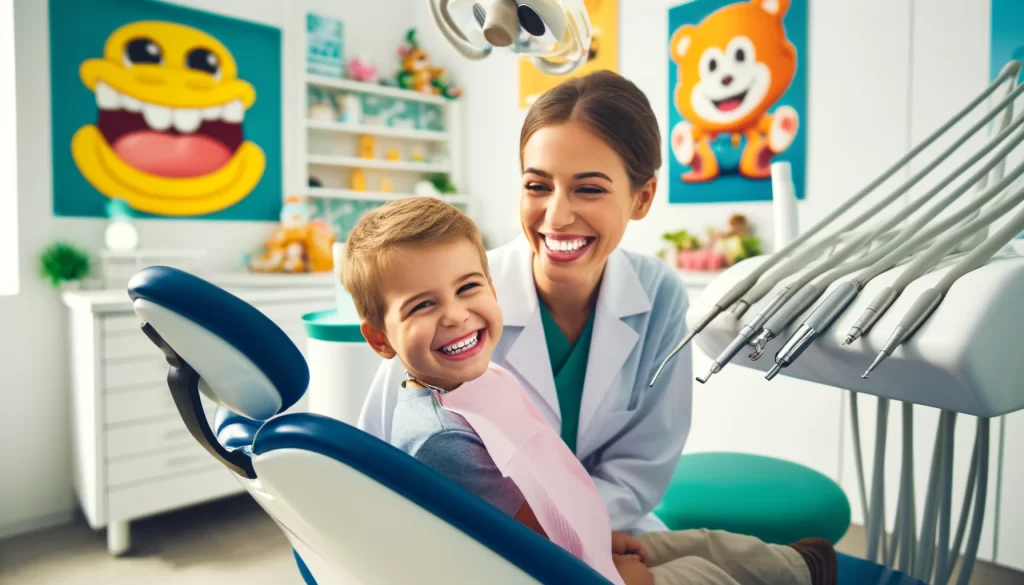
When a child arrives in pain, the immediate goal is to replace fear with comfort and relief. The warm, kid-friendly team at Evergreen Pediatric & Airway Dentistry keeps children calm while carefully diagnosing the true source of their pain. Every step is explained in child-friendly language to remove the fear of the unknown.
Safe and biocompatible treatments
Healing a dental emergency should always support the body’s natural wellness. The clinic utilizes conservative methods like ozone therapy and biocompatible materials to clear infections and restore health safely. These holistic options ensure your child receives the most effective care without unnecessary exposure to harsh chemicals.
Looking at the whole picture
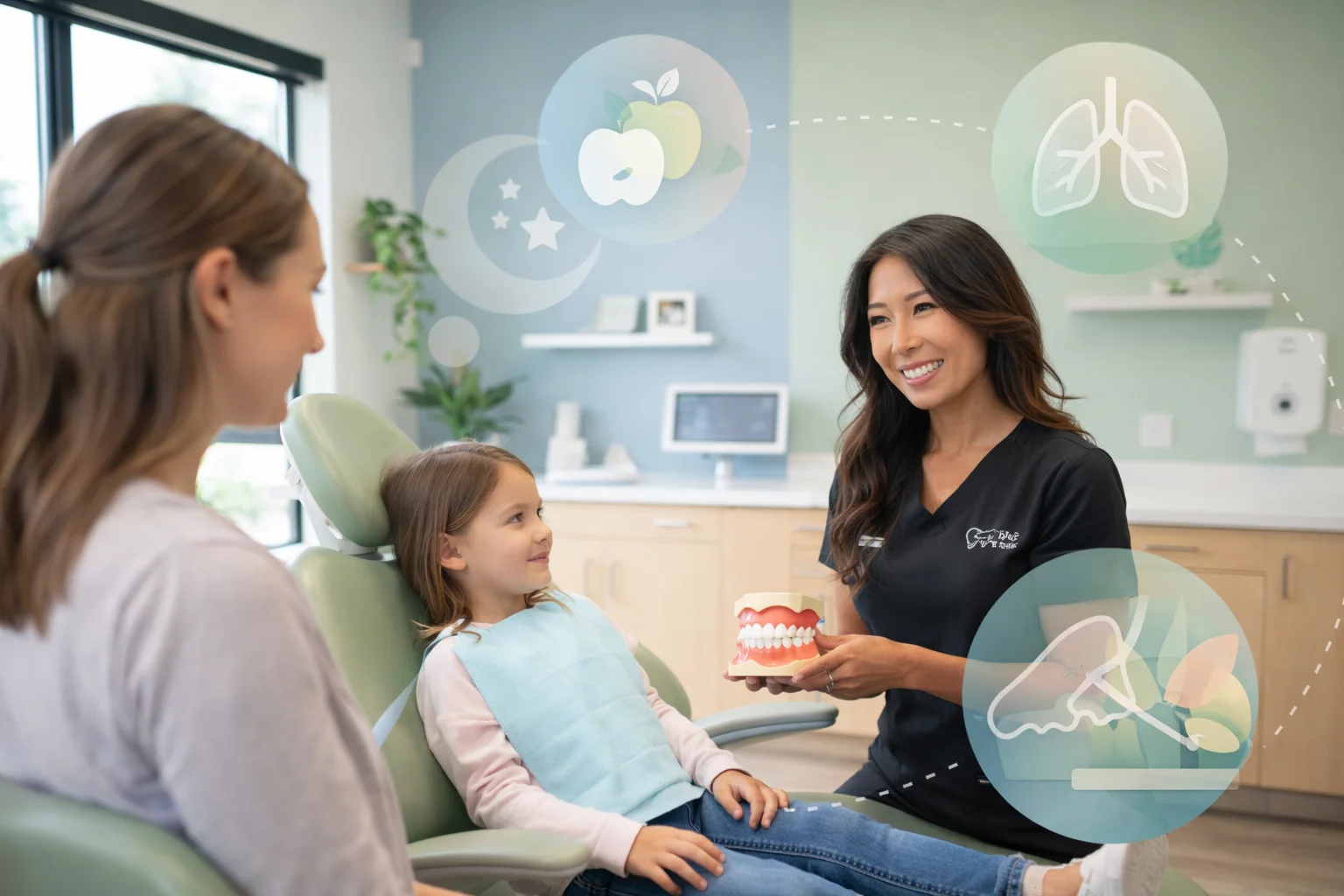
A healthy smile involves far more than just cavity-free teeth. The dedicated team evaluates sleep, breathing, and oral function to ensure your child can grow up healthy and strong. By addressing early airway issues and checking for proper tongue posture, the practice treats the whole child rather than just the immediate symptom. Schedule a visit to help your child breathe better, sleep soundly, and smile with confidence.
Making the Right Choice for Your Child’s Smile
When dental pain or injury strikes, knowing whether to visit an emergency dentist or the ER can make a big difference in how quickly and effectively the problem is treated. The key reminder is simple: dental-specific issues like toothaches, cracked teeth, or infections are best handled by an emergency dentist, while symptoms involving breathing difficulty, severe facial trauma, or uncontrolled bleeding may require a hospital emergency room.
Acting quickly is important, but so is choosing the appropriate level of care. Delaying treatment can allow pain, infection, or damage to worsen, while going to the wrong facility can lead to unnecessary waiting or incomplete treatment.
Whenever possible, seeking specialized dental care provides the most targeted and effective treatment for oral health emergencies. Emergency dentists are equipped to address urgent dental problems directly, helping relieve pain faster and protect long-term dental health outcomes.
Evergreen Pediatric & Airway Dentistry
Dr. Susan Kim
12910 Totem Lake Blvd NE #103
Kirkland, WA 98034
(425) 814-3196
Get Directions on Google Maps
evergreenkidsdentist.com