
Preventing Serious Complications from Untreated Cavities in Kids
When a child complains of an aching tooth, it affects the whole family. Parents often assume childhood dental cavities are a minor rite of passage that can simply be filled or ignored until the baby tooth naturally falls out. Untreated decay, however, can quietly progress into much bigger health issues that disrupt daily life, sleep, and overall development.
Tooth decay operates as a silent infection that slowly breaks down the protective layers of the teeth. As it spreads deeper, it creates a pathway for bacteria to affect not just the mouth, but the entire body. A tiny speck of decay can eventually lead to severe discomfort, restless nights, and ongoing inflammation that challenges a growing immune system.
This guide will help parents recognize the early signs of dental trouble and prevent serious complications before they begin. Understanding how cavities grow makes it easier to take proactive steps to protect those precious smiles. Exploring the hidden impact of untreated cavities empowers families to make informed, gentle choices for lifelong oral health.
Understanding How Cavities Grow and Spread
The journey through the enamel
Tooth decay begins its journey by resting on the hard outer layer of the tooth. Bacteria feed on leftover sugars in the mouth and produce an acid that slowly breaks down the protective enamel. This early stage is completely painless, making it difficult for parents to notice anything is wrong without a professional examination.
Reaching the sensitive inner nerves
Once the acid wears through the enamel, the bacteria move into the softer dentin and eventually reach the sensitive inner pulp. The pulp contains nerves and blood vessels, which means this stage brings active pain and noticeable discomfort for your child. A simple ache can quickly turn into sharp, constant throbbing that requires more extensive restorative care.
Why baby teeth decay faster
Primary teeth feature much thinner enamel than permanent adult teeth. This structural difference allows cavities to spread incredibly fast, turning a tiny spot into a deep hole in just a matter of months. Parents are often surprised by how quickly a baby tooth deteriorates, making frequent monitoring absolutely essential for young children. Protect your child from early decay.

Dental Cavities in Kids
The Hidden Impact on Developing Adult Teeth
Guarding the permanent teeth below
An infection in a primary tooth poses a direct threat to the permanent tooth forming just beneath the gums. Bacteria from a deeply decayed baby tooth can travel downward and interfere with the developing enamel of the adult tooth. This disruption can alter the shape, color, or overall strength of the permanent tooth before it ever enters the mouth.
Holding space for future growth
Baby teeth serve as natural space savers for the permanent teeth waiting to emerge. Losing a primary tooth too early to severe decay leaves an empty gap that surrounding teeth will naturally shift to fill. This shifting blocks the pathway for the adult teeth, forcing them to come in crooked, crowded, or completely out of alignment. Keeping baby teeth healthy prevents these structural blockages from occurring.
Preventing early orthodontic issues
Maintaining the health and placement of primary teeth naturally guides the incoming adult teeth into their proper positions. Healthy baby teeth provide the structural support the jaw needs to develop fully and correctly. Avoiding early tooth loss minimizes the need for extensive orthodontic corrections later in life.
Spotting the Early Signs of Trouble
Visual changes on the teeth
Parents can often spot the earliest signs of decay by looking for chalky white spots near the gumline or dark shadows on the chewing surfaces. These subtle visual changes appear long before a child ever complains of a toothache or sensitivity. Catching these spots early allows families to use targeted minerals like hydroxyapatite to remineralize the enamel naturally.
Changes in eating habits
Hidden decay frequently reveals itself through sudden shifts in how a child eats. Sudden food refusal, chewing exclusively on one side of the mouth, or avoiding cold drinks are classic signs of underlying dental pain. Children rarely know how to articulate tooth sensitivity, so they simply stop eating things that cause them discomfort. Paying attention to these behavioral shifts helps identify cavities before they reach the nerve.
Listening to vague complaints
Children dealing with early enamel damage often make subtle, vague comments about a funny feeling in the mouth. They might rub their cheek, complain about a tickle, or express frustration during mealtime without pointing to a specific tooth. Interpreting these subtle hints as potential signs of decay allows parents to seek care quickly.
How Dental Pain Disrupts Sleep and Growth
The toll on restful sleep
When a child is struggling with a dull toothache, it prevents the deep, restorative sleep necessary for proper growth. Dental pain often worsens at night because blood flow to the head increases when lying down, causing a throbbing sensation. A child tossing and turning from hidden discomfort will wake up exhausted, cranky, and ill-equipped to handle the day. Restoring dental health directly improves sleep quality for the entire family.
Challenges with nutrition and chewing
Painful chewing severely limits a child’s nutritional intake during crucial developmental years. Discomfort pushes children to refuse healthy, crunchy foods like apples or carrots in favor of softer, highly processed options that require less effort. This dietary shift not only deprives them of essential vitamins but also introduces more sugar to feed the existing cavity.
Impact on daily focus
Hidden dental discomfort creates a constant distraction that makes it incredibly hard for a child to concentrate at school. A nagging ache drains their energy, reduces their patience, and completely strips the joy from their favorite activities. Children who are secretly in pain may act out or struggle to follow directions simply because they feel overwhelmed. Help your child rest peacefully.
Treating Dental Cavities in Kids
Recognizing When an Infection Spreads
Spotting bumps on the gums
A deep cavity can eventually create a pocket of infection that shows up as a small, pimple-like bump near the tooth root. This bump indicates that the bacteria have killed the tooth nerve and the infection is now trying to drain through the gums. Parents should never pop or ignore these bumps, as they are a clear sign of an active dental abscess.
Watching for facial swelling
An untreated dental abscess can quickly spread beyond the immediate gum area and begin swelling the cheek or jawline. Facial swelling is a serious medical indicator that the infection is moving rapidly through the soft tissues of the head and neck. This type of swelling requires urgent intervention to prevent the bacteria from compromising the airway or spreading further.
Fevers and bodily illness
When a tooth infection reaches the bloodstream, it stops being just a dental problem and becomes a whole-body illness. A sudden fever, lethargy, or complaints of feeling completely unwell alongside a toothache indicate systemic involvement. Children experiencing these symptoms need prompt medical and dental attention to neutralize the spreading bacteria.
The Link Between Cavities and Whole-Body Health
The pathway to the rest of the body
The mouth serves as the primary gateway to the rest of the body, meaning oral bacteria never just stay in the mouth. A deep, untreated cavity provides a direct pathway for dangerous bacteria to enter the bloodstream and travel to other organ systems. This bacterial migration connects severe tooth decay to broader health issues, including cardiovascular strain and compromised immune function.
Lowering systemic inflammation
Chronic inflammation from an untreated cavity forces a child’s immune system to work much harder than it should. The body constantly deploys white blood cells to fight the persistent dental infection, leaving fewer resources to fend off common colds or other childhood illnesses. Removing the decay eliminates this heavy burden, allowing the immune system to return to a normal, healthy baseline.
Supporting optimal airway health
Clearing oral infections helps reduce overall swelling in the tonsils and adenoids, making it easier for a child to breathe comfortably. Chronic dental inflammation often contributes to swollen airway tissues, leading to mouth breathing and fragmented sleep. Addressing the root cause of the infection supports proper nasal breathing and optimal airway development.
Gentle Daily Habits to Stop Decay
Building simple brushing routines
Establishing a consistent daily dental brushing routine builds a strong foundation for lifelong oral health. Brushing alongside your child using a fluoride-free or hydroxyapatite toothpaste ensures all surfaces are cleaned gently and thoroughly. Hydroxyapatite acts to rebuild the enamel safely without the use of harsh chemicals, making it ideal for young, sensitive mouths.
Nourishing choices for strong enamel
Understanding which foods support tooth strength makes it much easier to protect growing smiles. Crunchy vegetables, high-quality proteins, and mineral-rich bone broths provide the building blocks needed for resilient enamel. Conversely, sticky snacks and continuous grazing feed the exact bacteria responsible for causing deep cavities.
The value of regular checkups
Routine dental visits allow professionals to spot minor changes in the enamel long before they turn into painful cavities or infections. These consistent touchpoints keep children comfortable in the dental chair and prevent dental anxiety from taking root. Early detection means treatments stay conservative, painless, and completely supportive of the child’s overall wellness.

Kids Dental Care
How Evergreen Pediatric & Airway Dentistry Can Help
Our gentle approach to treating cavities
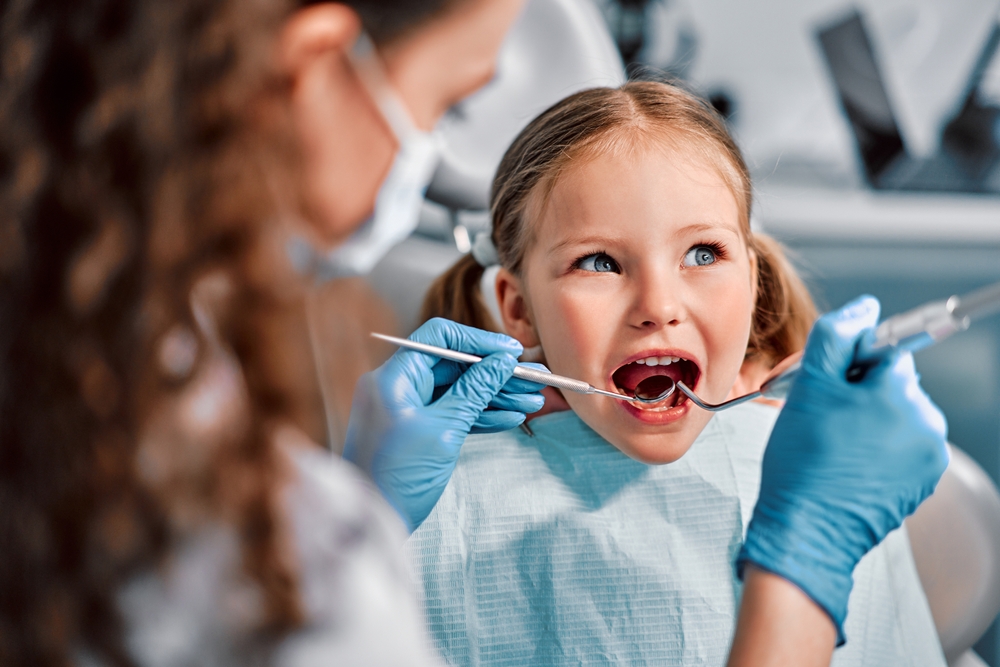
Evergreen Pediatric & Airway Dentistry provides a warm, kid-friendly environment that keeps children calm and comfortable while carefully removing decay. The team takes the time to explain every step, ensuring the child feels safe and respected throughout the entire visit. This gentle pacing turns potentially scary appointments into positive experiences that build lasting trust.
Safe and biocompatible treatments
The practice utilizes conservative methods like ozone therapy and biocompatible materials to restore oral health without harsh chemicals. These holistic options focus on healing the tooth structure naturally while stopping bacterial growth in its tracks. Parents can feel confident knowing that only the safest, most bio-friendly materials are used to repair their child’s smile.
Looking at the whole picture
Evaluation goes beyond the teeth to ensure the child can grow up healthy, strong, and thriving. Assessing sleep patterns, breathing habits, and oral function helps connect the dots between dental decay and broader developmental concerns. Looking at the whole child, not just the mouth, guarantees a comprehensive approach to true wellness. Call the office to see how this care helps.
Taking Proactive Steps for Lifelong Health
When an aching tooth wakes a child in the middle of the night, parents feel the stress instantly. Preventing serious complications from untreated cavities starts with recognizing the early signs and taking swift, gentle action. Early intervention stops the spread of bacteria, protects the developing adult teeth, and ensures the child can sleep and breathe without obstruction.
Maintaining healthy daily habits and partnering with a supportive dental team keeps small issues from becoming massive health burdens. Providing proactive, consistent care sets the stage for a lifetime of confident smiles and optimal total-body wellness. Protect the family’s peace of mind by addressing dental concerns long before they cause pain.
Evergreen Pediatric & Airway Dentistry
Dr. Susan Kim
12910 Totem Lake Blvd NE #103
Kirkland, WA 98034
(425) 814-3196
Get Directions on Google Maps
evergreenkidsdentist.com