
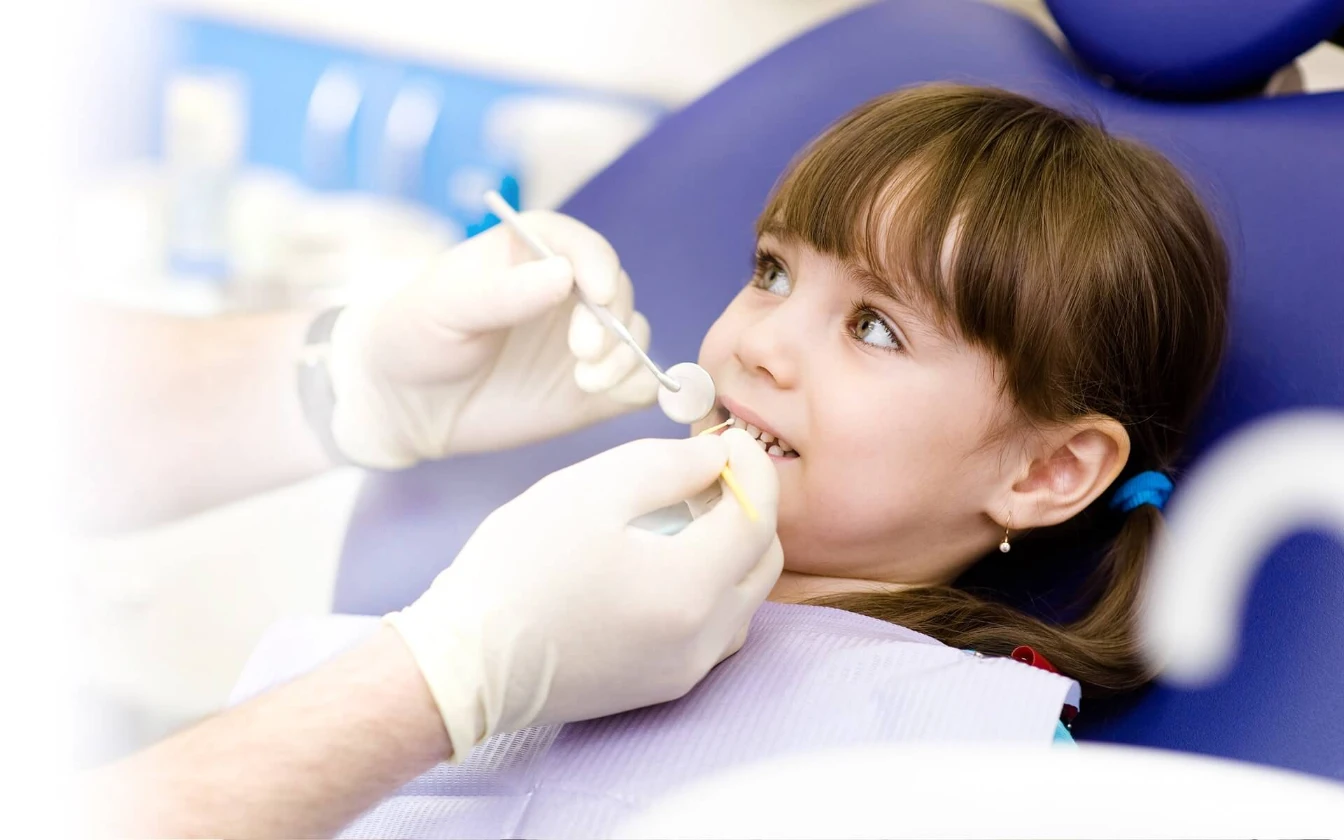
When Baby Teeth Need Restorative Care—and Why It Matters
Baby teeth may be temporary, but their importance is anything but minor. These early teeth play a vital role in a child’s development—from helping them chew and get proper nutrition to supporting clear speech and guiding permanent teeth into their correct positions. When baby teeth are healthy, they set the foundation for a strong, well-aligned adult smile.
A common misconception is that because baby teeth eventually fall out, they don’t require the same level of care or treatment as permanent teeth. This belief can lead to delayed attention when issues like cavities or damage arise. In reality, untreated problems in baby teeth can cause pain, infection, and even affect how permanent teeth grow in.
Understanding when and why restorative dental care is needed can make a significant difference in a child’s oral health journey. In this guide, parents will learn the importance of treating dental issues early, the options available for restoring baby teeth, and how proactive care helps prevent more serious complications down the line.
The True Purpose of Primary Teeth
Holding space for natural growth
Primary teeth act as vital placeholders for the adult teeth growing beneath the gums. They guide permanent teeth into their proper positions as the jaw bone expands and develops over time. Losing a baby tooth too early removes this natural guide, often causing nearby teeth to drift into the empty space.
Supporting clear speech development
Healthy front baby teeth are critical for your child to learn how to pronounce words and sounds correctly. The tongue presses against the back of these front teeth to form complex sounds during those crucial early years of speech development. Missing or severely decayed front teeth can lead to speech impediments that require extensive therapy to correct later.
Making chewing comfortable
Strong, pain-free teeth allow your child to break down nutritious foods easily and digest them properly. When chewing hurts due to untreated cavities, children naturally avoid crunchy fruits, vegetables, and proteins that their growing bodies need. Restoring decayed teeth quickly returns their ability to chew comfortably on both sides of the mouth.
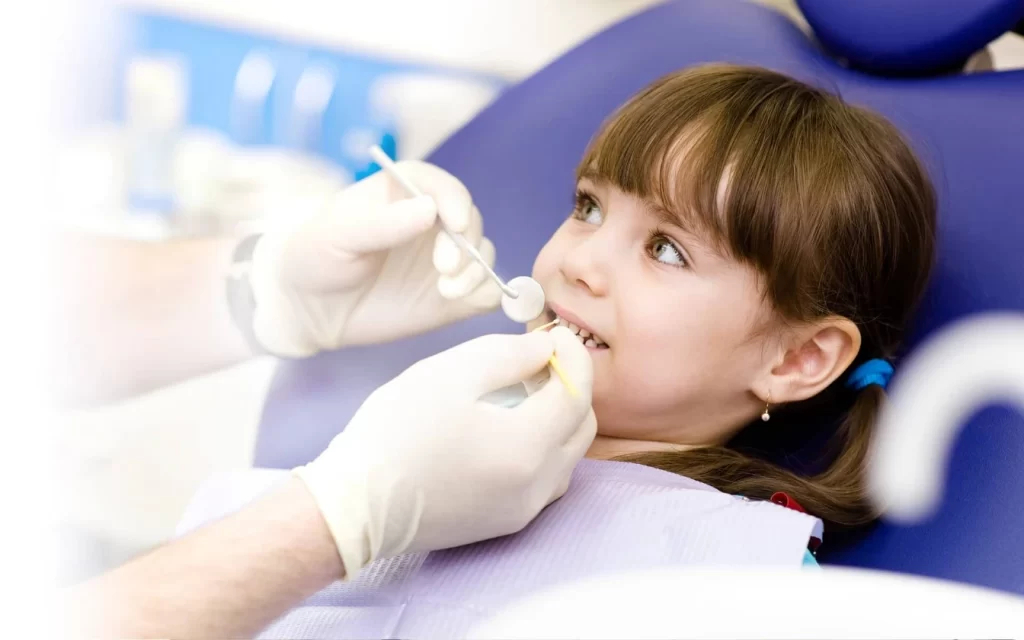
Pediatric Restorative Dentistry
The Risks of Ignoring Early Decay
How decay moves quickly
The enamel layer on baby teeth is much thinner than the enamel on adult teeth. This delicate structure allows harmful bacteria to spread from the surface to the sensitive inner nerves in a matter of months. A cavity that looks tiny on the outside might already be causing deep structural damage on the inside.
The shift to a painful infection
A minor cavity can quickly turn into an active infection that causes persistent throbbing and discomfort for your child. Once bacteria reach the inner pulp of the tooth, the resulting inflammation creates a painful abscess that makes focusing and resting impossible. This level of infection requires immediate attention to relieve your child’s suffering and prevent the bacteria from spreading.
Why waiting leads to complex care
Delaying a simple filling often results in the need for a more involved restorative dentistry procedure later. What could have been fixed with a small amount of biocompatible resin might eventually require a pediatric crown or a complete extraction. Extractions create spatial issues in the mouth that often demand orthodontic spacers to fix.
Guarding the Permanent Adult Smile
Preventing bacterial damage
Clearing an infection in a baby tooth stops harmful bacteria from damaging the developing enamel of the permanent tooth underneath. The roots of primary teeth sit right next to the crowns of the adult teeth waiting in the jaw. A severe infection can leak into the surrounding bone and cause permanent dark spots or structural weakness in the adult tooth before it even erupts.
Avoiding unwanted shifting
Losing a baby tooth too early to decay can cause surrounding teeth to drift, blocking the adult tooth from coming in straight. The remaining teeth naturally lean into the newly created gap, creating a crowded environment that traps the developing adult tooth beneath the bone. This crowding often leads to impacted teeth and requires extensive orthodontic correction to fix.
Supporting natural jaw development
Maintaining a full set of primary teeth encourages the proper growth and expansion of your child’s facial structure. The physical act of chewing with a complete set of teeth stimulates the jawbone, prompting it to grow wide enough to accommodate larger adult teeth later. Premature tooth loss halts this stimulation, potentially leading to narrow dental arches and airway restrictions.
Connecting Restorations to Total Wellness
Restoring proper nutrition
Fixing a painful tooth allows your child to return to eating a wide variety of crunchy, nourishing foods without hesitation. Children with hidden dental pain often gravitate toward soft, processed foods loaded with carbohydrates because they require less effort to chew.
Easing pain to support deep sleep
Resolving dull toothaches helps your child rest peacefully, ensuring they get the restorative sleep needed for daily energy. Dental pain often worsens at night when lying flat increases blood pressure in the head, causing a dull throb that fragments sleep cycles.
Lowering oral inflammation
Removing infected dental tissue reduces overall bodily inflammation, making it easier for your child to maintain healthy nasal breathing. Chronic oral infections force the immune system to work overtime, which can inflame the tonsils and adenoids located near the airway.

Kids Restorative Dentistry
Gentle, Modern Treatment Options
Choosing biocompatible materials
Modern pediatric dentistry utilizes safe, holistic resins and materials that work in harmony with your child’s natural chemistry instead of traditional metals.
Clearing bacteria naturally
Conservative methods like ozone therapy safely neutralize the bacteria causing the cavity without relying on harsh chemicals.
Creating a peaceful environment
Keeping the room calm, moving slowly, and explaining each step helps lower your child’s natural anxiety during the procedure.
Spotting the Early Signs for Help
Noticing changes on the enamel
Catching chalky white spots, dark shadows, or small chips on the chewing surfaces during your daily brushing routine is the best way to stop decay early.
Watching for shifts in behavior
Sudden food refusal, chewing on only one side of the mouth, or avoiding cold drinks can point to a tooth that needs attention.
Listening to subtle complaints
Interpret statements about a funny feeling, an itchy gum, or a mild ache as a sign that the tooth structure is becoming compromised.
Keeping Restored Teeth Strong and Safe
Building simple brushing routines
Brushing together with fluoride-free or hydroxyapatite toothpaste builds a strong defense against new cavities.
Nourishing choices for strong enamel
Understanding which foods support tooth strength and which sticky snacks feed the bacteria helps prevent restorative dental work from failing.
Scheduling gentle checkups
Routine visits help the dental team monitor the healing process and ensure the restorations stay intact as your child grows.

Pediatric Restorative Dental Care
How Evergreen Pediatric & Airway Dentistry Supports You
A warm approach to anxious children
The kid-friendly team at Evergreen keeps children calm and comfortable while carefully repairing their baby teeth.
Safe and natural restorations
Evergreen utilizes conservative methods and biocompatible materials to restore health and function without unnecessary discomfort.
Looking at the whole picture
Dr. Susan evaluates sleep, breathing, and oral function to ensure your child can grow up healthy and strong.
Prioritizing Your Child’s Healthy Smile
When your child requires restorative dental work, making a timely decision protects their current comfort and their future adult smile. Primary teeth are essential tools that guide facial growth, support clear speech, and allow for proper nutrition. Ignoring early decay puts these vital functions at risk, potentially leading to sleep disturbances and unwanted orthodontic problems later in life.
By choosing gentle, biocompatible treatments, you can resolve dental infections quickly and safely. This proactive approach keeps the airway healthy, lowers systemic inflammation, and helps your child thrive. Do not let dental anxiety delay the care your family deserves. Reach out to a holistic pediatric dentist today to help your child breathe better, sleep soundly, and smile with absolute confidence.
Evergreen Pediatric & Airway Dentistry
Dr. Susan Kim
12910 Totem Lake Blvd NE #103
Kirkland, WA 98034
(425) 814-3196
Get Directions on Google Maps
evergreenkidsdentist.com