
What Parents Should Know Before Scheduling an Oral Release Procedure
When parents first hear that their baby or child may benefit from an oral release procedure, it’s common to feel a combination of relief and uncertainty. Relief often comes from finally having a possible explanation for feeding difficulties, oral function concerns, or developmental challenges. At the same time, many parents have questions about what the procedure involves, why it may be recommended, and whether it is the right choice for their child.
These are important questions, and the decision should never feel rushed. Understanding the role oral function plays in a child’s overall development can help families feel more confident as they explore their options.
At Evergreen Pediatric & Airway Dentistry, Dr. Susan Kim takes a comprehensive, airway-focused approach to evaluating children with oral restrictions. Rather than focusing solely on a visible tissue attachment, she looks at how the tongue, lips, jaws, oral muscles, and airway work together to support healthy feeding, breathing, sleeping, and development. This whole-child perspective helps families gain a deeper understanding of their child’s needs before any treatment decisions are made.
Understanding Why Oral Function Matters
The tongue is one of the most active muscles in the human body. From the moment a baby is born, it plays an essential role in feeding, swallowing, breathing, and oral development. As children grow, the tongue continues to support speech, proper oral posture, healthy jaw growth, and overall oral function.
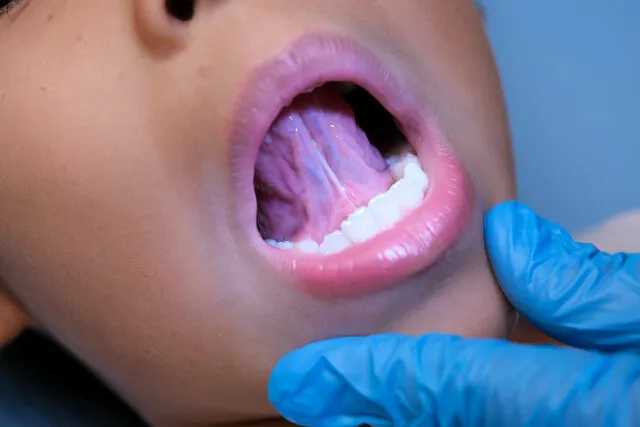
When movement of the tongue or lips is restricted, these everyday functions may become more challenging. Some infants struggle to latch effectively during feeding. Others may take a long time to finish meals, seem unusually tired while eating, or become frustrated during feedings. As children get older, concerns may shift toward mouth breathing, restless sleep, oral development, or other functional challenges.
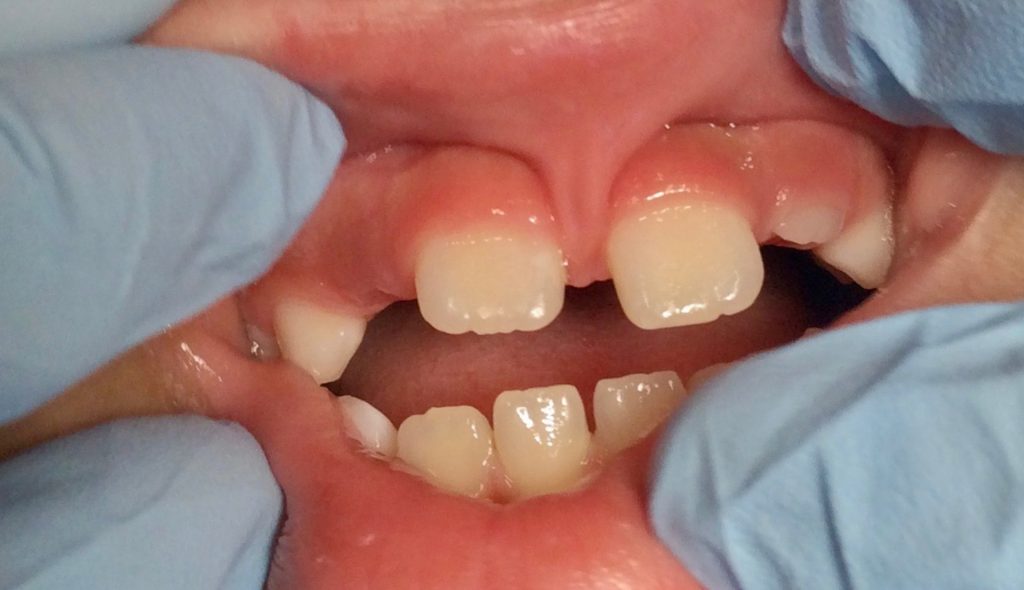
What makes oral restrictions unique is that they can affect each child differently. Two children may have similar-looking tissue attachments but experience completely different symptoms. This is one reason why appearance alone is not enough to determine whether treatment is necessary.
Pediatric Oral Release
Why a Comprehensive Evaluation Comes First
Many parents are surprised to learn that an oral release procedure is only one part of a much larger process. Before discussing treatment, it is important to understand how a child’s mouth is functioning as a whole.
During an evaluation at Evergreen Pediatric & Airway Dentistry, Dr. Susan Kim takes time to understand the child’s history, symptoms, and developmental patterns. Parents often share concerns about feeding, breathing, sleep, growth, or oral habits that they have noticed over time.
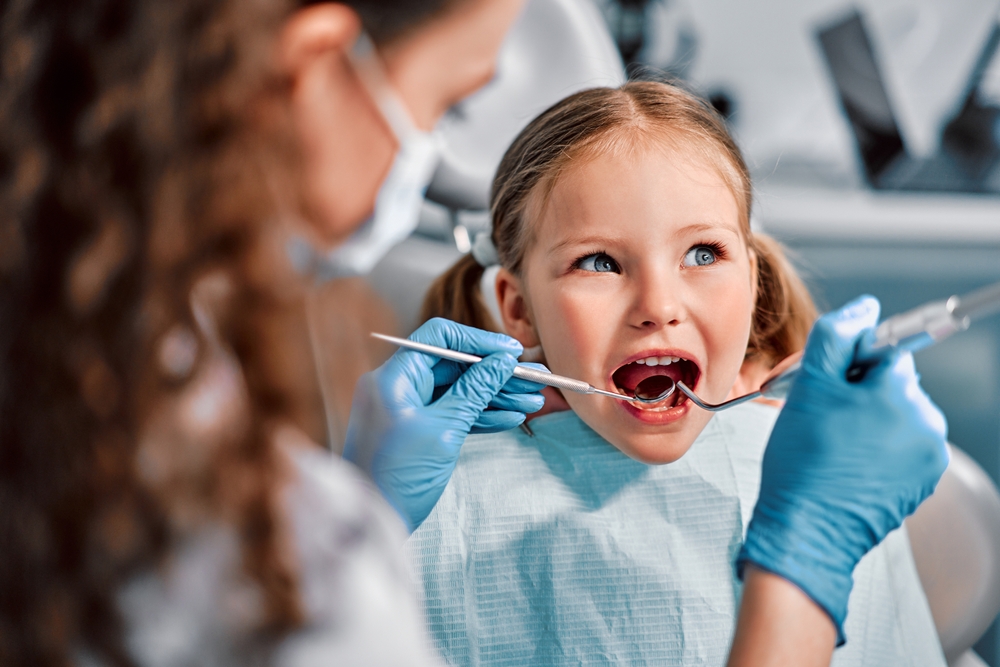
The examination itself looks beyond the visible restriction. Oral mobility, tongue function, lip function, oral posture, jaw development, and airway considerations are all carefully evaluated. The goal is not simply to identify whether a restriction exists but to understand how it may be influencing the child’s daily life and long-term development.
This personalized approach helps ensure that recommendations are based on function rather than assumptions.
The Connection Between Oral Restrictions and Airway Health
One of the reasons airway-focused pediatric dental care has gained increased attention in recent years is the growing understanding of how oral function and breathing are connected.
The tongue naturally helps support healthy development of the upper jaw and surrounding structures. Ideally, it rests comfortably against the roof of the mouth when not actively being used. When tongue mobility is limited, maintaining this natural posture may become more difficult.
Over time, oral posture and muscle function can influence how the mouth and facial structures develop. Because the airway develops alongside these structures, oral function can play a role in a child’s overall breathing patterns and sleep quality.
This does not mean that every child with an oral restriction will experience airway concerns. However, understanding the relationship between oral function and airway development allows providers to evaluate children more comprehensively and identify factors that may contribute to symptoms parents are seeing at home.
Oral Release Specialist
Knowing When to Ask Questions
Parents should never feel hesitant about asking questions during the evaluation process. In fact, asking questions is one of the best ways to feel comfortable and informed when considering any treatment recommendation.
Many families want to understand how the restriction is affecting function, what improvements may be expected, and how their child’s development may benefit from increased mobility. Others want to learn more about recovery, healing, and what the process looks like after treatment.
These conversations are valuable because they allow parents to make decisions based on a clear understanding of their child’s unique situation. No two children are exactly alike, and treatment recommendations should always reflect individual needs rather than a one-size-fits-all approach.
Looking Beyond the Procedure Itself
When parents research oral release procedures, it is easy to focus entirely on the treatment. However, one of the most important things to understand is that the procedure itself is only part of the journey.
The ultimate goal is not simply to release a restriction but to support healthier oral function. Improved mobility allows the tongue and oral muscles to move more naturally, but children often need time to adapt to these changes.
This is why ongoing monitoring and follow-up care are so important. A child’s feeding patterns, oral habits, and overall function continue to develop after treatment. Monitoring progress helps ensure that healing occurs as expected and that the child is benefiting from improved mobility.
Families often find that understanding this larger picture helps them approach treatment with realistic expectations and greater confidence.
Oral Release Treatment
Every Child’s Experience Is Different
One of the most important things parents should remember is that there is no universal experience when it comes to oral restrictions. Some infants experience significant feeding difficulties from the beginning, while others show only subtle signs. Older children may present with entirely different concerns related to breathing, oral posture, or development.
Because of these differences, individualized care is essential. What is appropriate for one child may not be necessary for another. A thoughtful evaluation helps determine the best path forward based on the child’s specific symptoms, developmental stage, and overall health.
Parents often feel reassured knowing that recommendations are being made based on their child’s unique needs rather than simply the presence of a restriction.
Making an Informed Decision for Your Child
Choosing whether to move forward with an oral release procedure is an important decision, and every parent wants to feel confident they are making the best choice for their child.
The most valuable first step is obtaining a comprehensive evaluation that looks beyond appearance and focuses on function. By understanding how the tongue, lips, oral muscles, and airway are working together, families can gain a clearer picture of what may be contributing to their child’s symptoms and whether treatment may be beneficial.
At Evergreen Pediatric & Airway Dentistry, Dr. Susan Kim and her team are committed to helping parents navigate this process with compassion, education, and personalized care. Through comprehensive evaluations and a whole-child approach to oral health, families can feel empowered to make informed decisions that support their child’s growth, development, and long-term well-being.
Whether you are concerned about feeding difficulties in an infant, oral function in a young child, or questions about airway development, understanding the bigger picture is often the first step toward finding answers. With the right information and guidance, parents can move forward with confidence knowing they are supporting their child’s healthiest future.
Evergreen Pediatric Dentistry
https://www.google.com/maps?cid=14720788683151219551
12910 Totem Lake Blvd NE #103, Kirkland, WA 98034, United States
(425) 814-3196
https://evergreenkidsdentist.com/