
What Parents Should Know About Laser Procedures for Infants
Hearing that your newborn might need a surgical procedure can feel like the ground is shifting beneath your feet. The joy of welcoming a new life is suddenly clouded by worry, questions, and an overwhelming instinct to protect your little one. It is a completely normal reaction. The word “surgery” carries a weight that feels far too heavy for such tiny shoulders.
However, medical technology has evolved in ways that make many of these necessary corrections far less daunting than they used to be. Specifically, laser technology has revolutionized pediatric dental care, transforming what was once a traditional surgery into a quick, precise, and minimally invasive procedure. For many infants facing issues with feeding or oral development, these advancements mean better outcomes with significantly less discomfort.
Navigating these decisions is never easy, but you don’t have to do it alone. Practices like Evergreen Pediatric & Airway Dentistry have made it their mission to not only provide state-of-the-art care but to walk parents through every step of the process with empathy and expertise. Understanding what these procedures actually entail is the first step in turning anxiety into empowerment.
Understanding the Recommendation for Laser Procedures
When a pediatrician, lactation consultant, or pediatric dentist recommends a procedure for your infant, it usually comes after observing specific functional issues. Often, these are related to breastfeeding difficulties, bottle-feeding struggles, or concerns about future speech and dental development.
The recommendation isn’t made lightly. It is typically the result of a careful assessment where the benefits of correcting the issue—such as improved nutrition, better sleep, and proper oral growth—outweigh the risks of leaving it untreated.
In the past, correcting oral tissues involved sterile scissors or scalpels, sutures, and a more complex healing process. Today, laser technology offers a sophisticated alternative. It allows providers to address the problem at its source with incredible precision, often taking only seconds to complete. This shift from “cutting” to “vaporizing” tissue changes the entire experience for both the infant and the parents, making it a much gentler option.
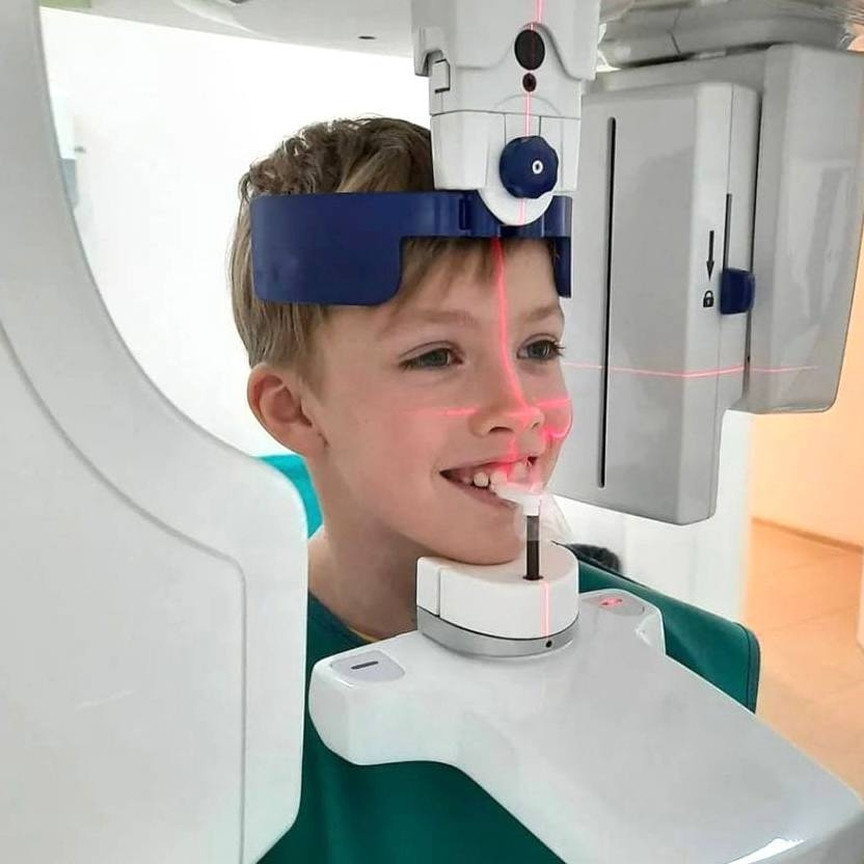
Pediatric Laser Treatment
What Are Laser Procedures for Infants?
To put it simply, a laser procedure uses focused light energy to remove or reshape tissue. Unlike traditional surgery which uses cold steel instruments to cut, a laser uses light to vaporize specific soft tissues layer by layer.
The “laser” in dentistry—specifically soft tissue lasers like CO2 or diode lasers—is designed to interact with the water content in our cells. Because of this targeted approach, the laser can remove the restricted tissue without damaging the surrounding healthy areas.
How It Differs From Traditional Methods
The differences between laser treatment and traditional surgical methods (often called a frenotomy when done with scissors) are stark:
- Precision: Lasers are incredibly accurate. The dentist can control the depth and width of the cut to the millimeter, ensuring a complete release of tension without unnecessary trauma.
- Cauterization: As the laser works, it naturally seals (cauterizes) nerve endings and blood vessels. This means there is very little, if any, bleeding during the procedure.
- Sterilization: The heat from the laser sterilizes the area instantly, significantly reducing the risk of infection compared to open wounds created by scalpels.
- Reduced Trauma: Because there is no physical pressure or crushing of tissue (which happens with scissors), there is less inflammation and swelling post-procedure.
For infants, whose anatomies are tiny and delicate, this level of precision and gentleness is why laser procedures are the preferred method for many specialists today.
Common Conditions Treated with Laser Technology
The most common reason an infant requires a laser procedure is to correct tethered oral tissues (TOTs). You likely know these better by their common names: tongue-ties and lip-ties.
Tongue-Tie (Ankyloglossia)
Everyone has a frenum (or frenulum) under their tongue—it’s that little band of tissue connecting the tongue to the floor of the mouth. In some babies, this band is too short, too thick, or attached too tightly to the tip of the tongue. This restricts the tongue’s range of motion.
A tongue-tie isn’t just about appearance; it’s about function. For newborns, the tongue is the primary tool for feeding. If the tongue cannot lift or extend properly, the baby cannot latch deeply onto the breast or bottle. This can lead to:
- Poor weight gain.
- Painful nursing for the mother (cracked or bleeding nipples).
- Excessive gas or reflux in the baby (due to swallowing air while struggling to maintain suction).
- Long, exhausting feeding sessions where the baby never seems satisfied.
Lip-Tie
Similar to a tongue-tie, a lip-tie involves the frenum connecting the upper lip to the gum line. If this tissue is too tight or thick, it can prevent the lip from flanging upward (flipping out like a fish mouth) during feeding. This breaks the seal needed for suction, causing milk to leak out and the baby to swallow air. In the long term, a severe lip-tie can also trap milk against the front teeth, increasing the risk of cavities, or cause a gap (diastema) between the two front teeth.
Oral Tissue Abnormalities
Occasionally, lasers are used to remove benign soft tissue growths or cysts that might be present at birth (such as eruption cysts) or to expose a tooth that is having trouble pushing through gum tissue, though this is less common in infants than in older children.
How Laser Technology Works: A Parent-Friendly Explanation
The science of lasers can sound intimidating—like something out of a sci-fi movie—but the medical reality is much softer.
Think of the laser not as a knife, but as an eraser. The laser emits a concentrated beam of light energy. When this light hits the tissue that needs to be removed, the water inside the cells absorbs the energy. This causes the cells to vaporize instantly.
Because the laser works via light energy rather than friction or pressure, it doesn’t “tear” the tissue. Furthermore, the laser stimulates bio-stimulation. This means the light energy actually encourages the cells in the surrounding area to heal faster and reduces inflammation.
Why It Minimizes Bleeding and Infection
One of the biggest fears parents have regarding surgery is bleeding. With traditional scissors, blood vessels are severed and must clot on their own. With a laser, the heat seals the capillaries as it separates the tissue. Most parents are surprised to see little to no blood during the procedure.
Similarly, the risk of infection is a major concern. Because the laser operates at a temperature that kills bacteria on contact, the surgical site is effectively sterilized during the treatment itself. This creates a clean slate for healing to begin the moment the procedure is finished.
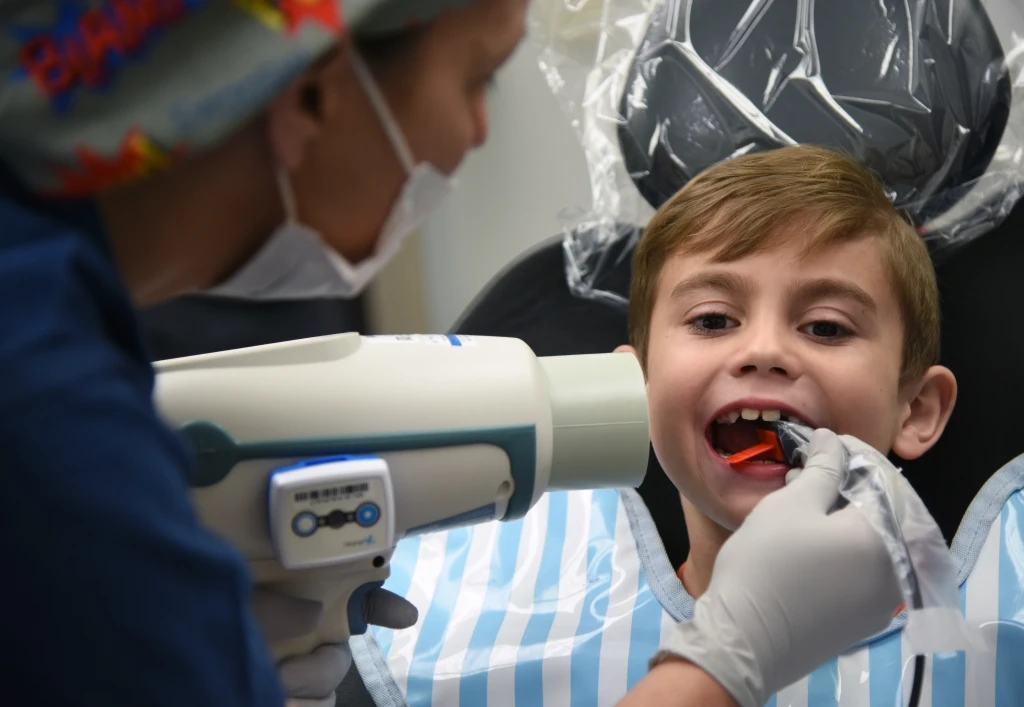
Pediatric Laser Treatment Specialist
What to Expect During the Procedure
At a specialized clinic like Evergreen Pediatric & Airway Dentistry, the procedure is designed to be as quick and stress-free as possible. Dr. Susan and her team understand that while the procedure takes only minutes, the anticipation can feel much longer for parents.
The Preparation
First, the team will likely swaddle your baby. This isn’t because the procedure is painful, but because babies are wiggly! Swaddling ensures they feel secure and keeps their little hands away from their mouth, allowing the doctor to work safely and quickly.
Protective eyewear is also essential. Everyone in the room—including the baby—will wear special glasses to protect their eyes from the laser light. For infants, these look like tiny, soft swimming goggles.
Pain Management and Anesthesia
Many parents ask about anesthesia. For infants, general anesthesia is almost never used for these procedures. It carries unnecessary risks for such a minor treatment. Instead, a topical numbing jelly is often applied to the area.
Because the laser is so fast and seals nerve endings as it works, the discomfort is minimal. The sensation is often described as similar to a quick pinch or a rubber band snap. Babies may cry during the procedure, but this is often due to being held still and having fingers in their mouth rather than acute pain.
The Procedure Duration
The actual laser dental treatment is incredibly fast. A tongue-tie or lip-tie release typically takes less than 30 seconds to one minute to complete.
Once the release is done, you are usually encouraged to comfort your baby immediately. At Evergreen Pediatric & Airway Dentistry, mothers are often encouraged to breastfeed or bottle-feed right away. This not only soothes the baby but also helps the tongue begin to move in its new, unrestricted way immediately.
Post-Procedure Care and Recovery
Recovery from a laser procedure is generally smoother than traditional surgery, but it does require active participation from parents.
Managing Discomfort
While the laser reduces pain, some soreness is normal once the numbing gel wears off. Your provider might recommend infant-safe pain relief (like Tylenol) depending on your baby’s age and weight. Natural soothing methods, like skin-to-skin contact and frequent feeding, are also very effective.
Active Wound Management (Stretches)
This is the most critical part of the recovery process. The mouth heals very quickly—so quickly, in fact, that it can heal back together prematurely if left alone.
To prevent the tissue from reattaching (technically called re-adhesion), you will be given a set of specific stretches or exercises to do with your baby. These usually involve lifting the lip or tongue to keep the raw, diamond-shaped wound open so it heals from the inside out.
You will typically need to do these stretches several times a day for a few weeks. It can be emotionally challenging to stretch a sore area on your baby, but it is vital for the long-term success of the procedure.
What Healing Looks Like
The treatment site will usually develop a white or yellowish soft scab within the first 24 hours. This is not an infection; it is a “wet scab” common in the mouth (similar to how a scraped knee gets a scab, but wet because of saliva). This patch will slowly shrink and disappear over the course of two to three weeks as new tissue forms.
Dr. Susan and the team at Evergreen will provide a comprehensive guide on what to look for and when to call if you have concerns. Follow-up visits are usually scheduled to check the healing and ensure function is improving.
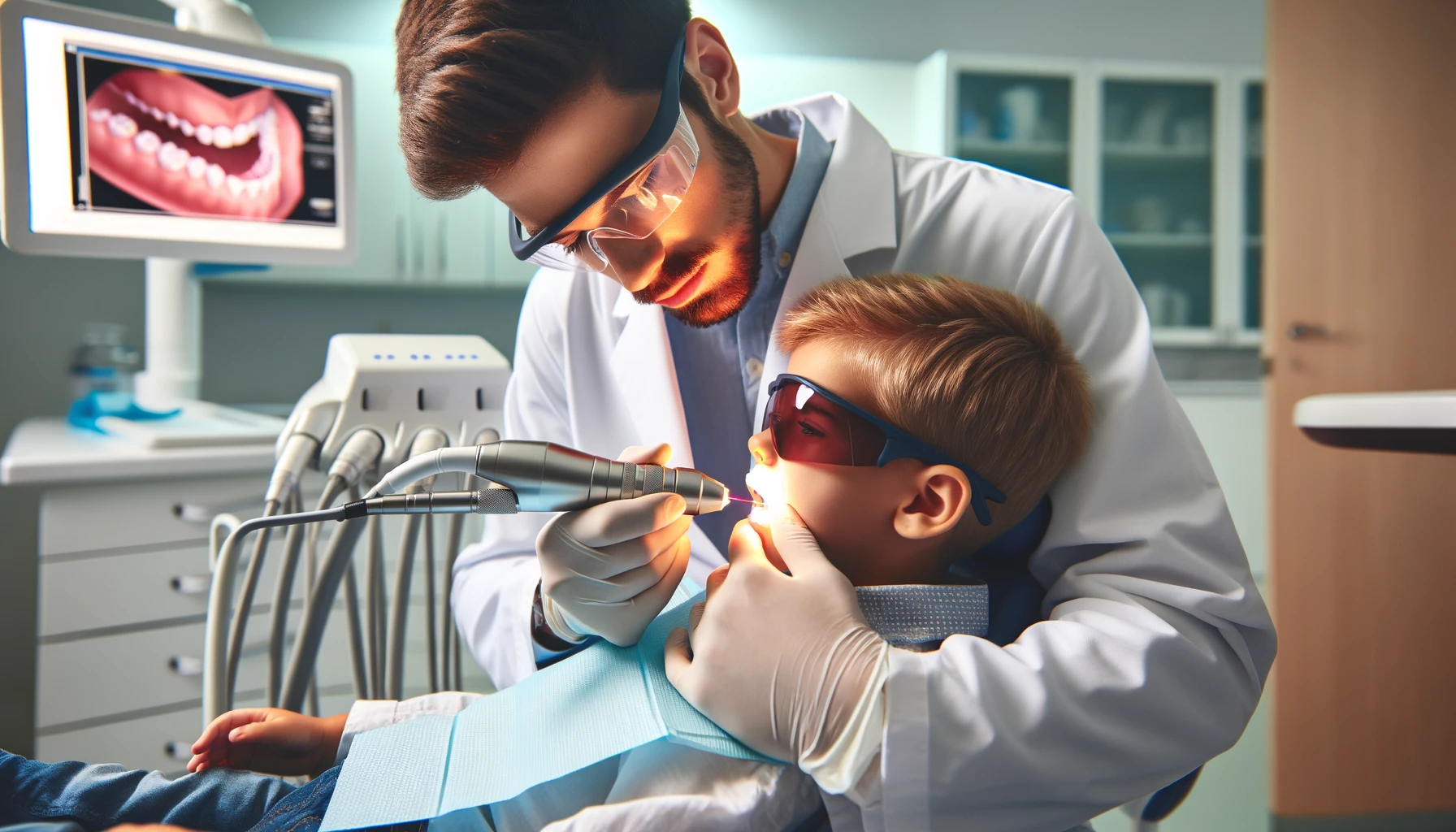
Pediatric Laser Dentistry
Benefits of Laser Procedures for Infants
Choosing laser treatment over other methods offers several distinct advantages that appeal to modern parents and providers alike.
Reduced Pain and Discomfort
The bio-stimulating properties of the laser reduce the inflammatory response. Less inflammation means less swelling and less pain for the baby in the hours and days following the release.
Bactericidal Properties
The sanitizing effect of the laser reduces complications. Parents have enough to worry about without adding “surgical site infection” to the list.
Precision and Completeness
Scissors can sometimes crush tissue or fail to release the posterior (back) part of a tongue-tie because it is harder to reach and see. Lasers allow the dentist to remove the restriction completely in one go, reducing the likelihood that the procedure will need to be repeated later in life.
No Sutures
Stitches in a baby’s mouth are difficult to keep clean and can be annoying for the infant. Laser wounds heal by “secondary intention,” meaning they heal open and naturally without the need for stitches.
Immediate Functional Improvement
Because there is less trauma to the tissue, babies can often feed effectively immediately after the procedure. Many breastfeeding mothers report an instant improvement in latch depth and a reduction in nipple pain right in the office.
How Evergreen Pediatric & Airway Dentistry Supports Parents
At Evergreen Pediatric & Airway Dentistry, we don’t just treat mouths; we treat children. Dr. Susan understands that a frenectomy is just one piece of the puzzle. We take a holistic, airway-focused approach.
We recognize that feeding issues affect the whole family. A baby who can’t eat well isn’t sleeping well, which means parents aren’t sleeping well. We work closely with lactation consultants and speech therapists to ensure your baby gets comprehensive care.
Our goal is not just to “fix” a tie, but to optimize your child’s health, breathing, and development for the long term. We provide detailed education before the procedure and robust support afterward, so you never feel like you are handling the recovery alone.
Empowering Parents with Knowledge
Making medical decisions for your child is one of the hardest parts of parenting. But knowledge is the antidote to fear. Understanding that laser technology offers a safe, quick, and effective solution for conditions like tongue-ties can help you move from anxiety to action.
If you suspect your infant is struggling with a tongue-tie, lip-tie, or feeding issues, you don’t have to “wait and see.” Early intervention can prevent months of feeding struggles and future speech or dental issues.
Reach out to Evergreen Pediatric & Airway Dentistry today. Let’s schedule a consultation to assess your baby’s needs and help your family get back to easy smiles and peaceful feedings.
Evergreen Pediatric & Airway Dentistry
Dr. Susan Kim
12910 Totem Lake Blvd NE #103
Kirkland, WA 98034
(425) 814-3196
Get Directions on Google Maps
evergreenkidsdentist.com