
The Connection Between Breathing Patterns and Children’s Oral Health
When we think about our children’s oral health, our minds usually jump to brushing, flossing, and avoiding too much sugar. We worry about cavities and crooked teeth, but we rarely stop to think about how our children are breathing. It seems automatic, something the body just does. Yet, the way a child breathes—whether through their nose or their mouth—plays a monumental role in the development of their face, jaws, and smile.
Breathing patterns are a silent architect of oral health. While often overlooked during standard checkups, habitual mouth breathing can lead to a cascade of issues ranging from misaligned teeth to sleep disturbances. Understanding this connection is crucial for parents who want to ensure their children grow up healthy, rested, and with a functional smile.
At Evergreen Pediatric & Airway Dentistry, we look beyond the teeth. We understand that the mouth is the gateway to the body and the airway is the foundation of health. By addressing breathing patterns early, we can guide facial growth and prevent long-term complications.
Why Breathing Patterns Matter for Children’s Oral Health
To understand why breathing matters, we first need to distinguish between the two primary modes: nasal breathing and mouth breathing. Humans are designed to be obligate nasal breathers. The nose is a sophisticated organ that filters, warms, and humidifies the air we breathe. It also produces nitric oxide, a molecule that helps widen blood vessels and improve oxygen circulation.
Mouth breathing, on the other hand, is a survival mechanism. It’s the body’s backup plan for when the nasal passage is blocked due to a cold, allergies, or physical obstruction. However, when mouth breathing becomes a chronic habit rather than a temporary fix, it alters the delicate balance of oral and facial muscles.
The tongue is a powerful muscle. In a proper nasal breathing posture, the tongue rests against the roof of the mouth (the palate). This pressure acts as a natural scaffold, shaping the upper jaw into a wide, U-shaped arch that has plenty of room for all the teeth. When a child breathes through their mouth, the tongue drops to the floor of the mouth to allow air to pass. Without the tongue’s support, the cheeks push inward, often causing the upper jaw to narrow.
This isn’t just about aesthetics. A narrow jaw can lead to crowding, crossbites, and a higher vaulted palate, which in turn encroaches on the nasal floor, making nasal breathing even harder. It becomes a vicious cycle: the child’s mouth breathes because their nose feels stuffy or their jaw is narrow, and the jaw becomes narrower because they are mouth breathing.
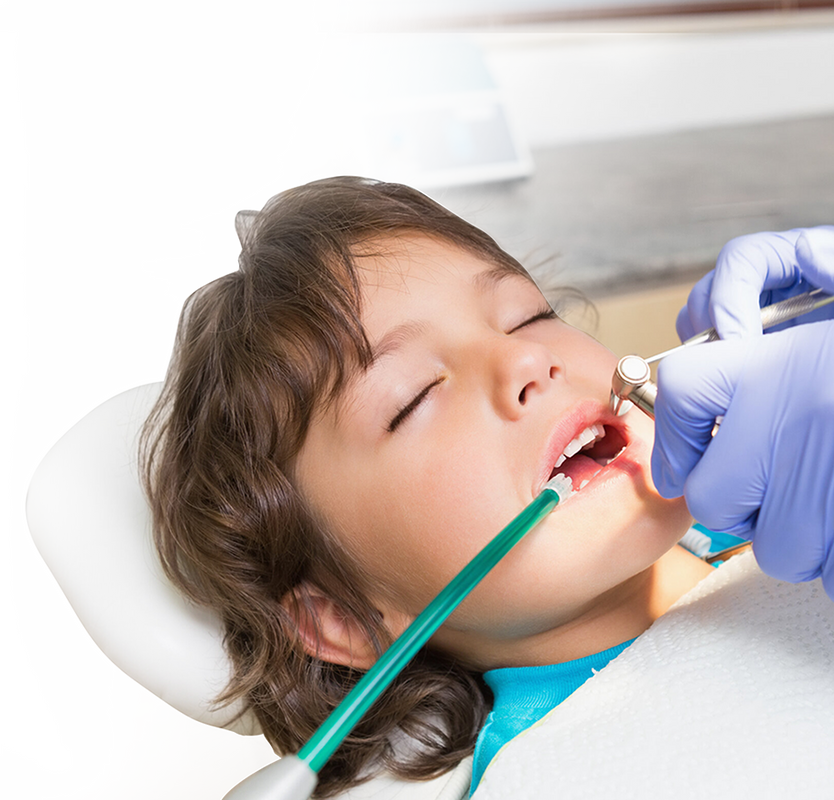
Breathing and Children’s Oral Health Treatment
The Science Behind Breathing and Facial Growth
Facial growth is not purely genetic; it is heavily influenced by the forces exerted on the bones. This is known as the “Functional Matrix Theory,” which suggests that the soft tissues (muscles, skin, tongue) significantly influence the growth of the hard tissues (bones).
Breathing provides a constant, low-grade force on the structures of the head and neck. When a child breathes through their nose with their lips sealed, the muscles of the face are in equilibrium. The outward pressure of the tongue balances the inward pressure of the cheeks and lips. This balance encourages forward and horizontal growth of the jaws.
Conversely, chronic mouth breathing changes the vector of growth. Instead of growing forward and wide, the face may begin to grow vertically. This can result in what is often called “Long Face Syndrome” or “Adenoid Face.” Features may include a recessed chin, a gummy smile, and a longer lower face height.
Furthermore, the position of the jaw dictates the size of the airway. If the jaws do not develop fully forward, the airway behind the tongue can become restricted. This restriction puts the child at risk for Sleep Disordered Breathing (SDB) or Obstructive Sleep Apnea (OSA). The body will prioritize breathing over everything else, leading the child to adopt compensatory postures, such as tilting the head back to open the airway, which can then lead to neck and shoulder tension or poor posture.
Signs Your Child May Have Breathing Issues
Identifying breathing issues early can prevent years of orthodontic and health struggles. However, the signs are not always obvious, and many parents—and even some healthcare providers—might miss them if they aren’t looking specifically for airway health.
Here are some common indicators that your child might be struggling with mouth breathing or airway issues:
- Open Mouth Posture: If you notice your child’s lips are frequently apart when they are watching TV, reading, or playing on a tablet, this is a primary sign of mouth breathing.
- Snoring or Noisy Breathing: Children should breathe silently. Snoring, gasping, or heavy breathing during sleep are red flags that the airway is obstructed.
- Restless Sleep: Does your child toss and turn, wet the bed, or wake up frequently? Poor oxygenation due to mouth breathing can disrupt sleep cycles.
- Dry, Chapped Lips: Chronic airflow over the lips dries out the tissue, leading to constant chapping that lip balm can’t seem to fix.
- Venous Pooling (Dark Circles): Dark circles under the eyes, often called “allergic shiners,” can indicate congestion in the nasal veins caused by poor nasal breathing.
- Grinding Teeth (Bruxism): Many children grind their teeth at night as an unconscious attempt to push the jaw forward and open up a collapsed airway.
- Behavioral Issues: Poor sleep quality can look a lot like ADHD. Children who are sleep-deprived are often hyperactive, irritable, or have trouble focusing at school.
If you observe these signs, it is worth investigating further. It is not just “how they sleep”—it is a window into how they are developing.
The Role of Evergreen Pediatric & Airway Dentistry in Early Detection
At Evergreen Pediatric & Airway Dentistry, we believe in a proactive approach. We don’t wait for problems to become severe before acting. Our team is trained to look at the whole child, not just their cavities.
During a routine exam, we are assessing much more than tooth decay. We look at the shape of the palate, the position of the tongue, the size of the tonsils, and the wear patterns on the teeth. We evaluate the soft tissues and ask detailed questions about sleep and behavior.
Because we focus on airway health, we are uniquely positioned to identify the root causes of malocclusion (bad bite) and sleep issues. We utilize advanced diagnostic tools to visualize the nasal passages and airway, allowing us to see obstructions that might otherwise go unnoticed.
Our philosophy is centered on early intervention. Waiting until all the permanent teeth adhere—often around age 12 or 13—can mean missing the critical window of growth where we can most easily influence jaw development. By catching breathing issues in children as young as 3 or 4, we can guide their growth in a healthier direction, potentially reducing the need for extensive orthodontic surgery or CPAP machines later in life.

Breathing and Children’s Oral Health Care
The Impact of Mouth Breathing on Oral Health
Beyond the structural changes to the face and jaw, mouth breathing has a direct and detrimental impact on the health of the teeth and gums. Saliva is the mouth’s natural defense system. It washes away food particles, neutralizes acids produced by bacteria, and contains minerals that help repair tooth enamel.
When a child mouth breathes, the saliva dries up. This creates a dry environment where bacteria thrive. Without the protective flow of saliva, the acidity in the mouth rises (pH drops). This acidic environment significantly increases the risk of:
- Tooth Decay: A dry mouth is a breeding ground for cavities, even if the child brushes regularly.
- Gingivitis and Gum Disease: The gums can become inflamed, red, and bleed easily due to the drying effect and bacterial overgrowth.
- Bad Breath (Halitosis): Chronic bad breath in children is rarely due to what they ate; it is often a sign of dry mouth and bacterial proliferation.
Furthermore, the structural changes caused by mouth breathing create physical challenges for oral hygiene. A high, narrow palate often leads to severe crowding of the teeth. Crowded teeth are much harder to clean; there are more nooks and crannies for plaque to hide, making flossing difficult and brushing less effective.
This is why traditional braces alone are sometimes insufficient. If we straighten the teeth but do not correct the breathing habit that caused the crowding, the teeth will likely shift back (relapse) once the braces are removed. The tongue will continue to rest low, and the cheeks will continue to push in. To achieve a stable, healthy smile, we must address the breathing pattern alongside the tooth position.
How to Encourage Healthy Breathing Habits in Children
Parents play a vital role in correcting breathing habits. While professional intervention is often necessary for structural issues, home habits are crucial for success. Here are actionable ways to encourage nasal breathing:
- Monitor and Remind: Gently remind your child to close their lips. Use positive reinforcement. If they are watching a movie, check in on them. If their mouth is open, you might use a gentle cue to help them close it.
- Clear the Nasal Passages: If allergies or congestion are the culprits, addressing them is step one. This might involve keeping the bedroom free of dust and pets, using a HEPA air filter, or consulting with an allergist. Saline sprays or nasal rinses can also help keep the passages clear.
- Encourage Chewing: Modern diets are often very soft. Chewing hard, crunchy foods (like raw carrots, apples, or celery) helps strengthen the jaw muscles and promotes proper growth.
- Practice Good Posture: Breathing and posture are linked. Encourage your child to sit up straight while eating and doing homework. Slouching compresses the diaphragm and can encourage mouth breathing.
- Watch for Tongue Position: Teach your child where their tongue should live. A simple cue is “lips together, teeth apart, tongue on the roof.”
At Evergreen Pediatric & Airway Dentistry, we guide parents through these steps. We act as partners, providing resources and exercises that fit into your daily routine to help retrain the muscles and the brain to prioritize nasal breathing.
Treatment Options for Breathing-Related Oral Health Issues
When habit changes aren’t enough, or when structural changes have already occurred, professional treatment is necessary. Evergreen Pediatric & Airway Dentistry offers a range of therapies tailored to the specific needs of the growing child.
- Myofunctional Therapy: Think of this as physical therapy for the mouth. Myofunctional therapy involves a series of exercises to strengthen the tongue and facial muscles. The goal is to correct the tongue’s resting posture, improve swallowing patterns, and establish nasal breathing. This is often a critical component of treatment, ensuring that the muscles support the structural changes we are making.
- Orthodontic Interventions / Expansion: If the jaw has already narrowed, we may use palatal expanders. These devices gently widen the upper jaw. This does two things: it creates more room for the teeth, and it widens the floor of the nose, instantly improving nasal airflow. By expanding the arch, we create the space the tongue needs to sit properly on the roof of the mouth.
- Guidance of Eruption: We monitor the eruption of permanent teeth and can intervene with appliances that guide the teeth into better positions as they come in, rather than waiting to fix them after they are crooked.
- Collaboration with Specialists: We believe in a team approach. Sometimes, the physical obstruction in the airway (like enlarged tonsils or adenoids) is too great for dental intervention alone. in these cases, we collaborate closely with Ear, Nose, and Throat (ENT) specialists. We may also work with sleep specialists or speech-language pathologists to ensure your child receives comprehensive care.
Early intervention is key. Treating these issues at age 6 is vastly different—and often easier—than treating them at age 16. By acting early, we work with the child’s growth, rather than trying to fix problems after growth has finished.
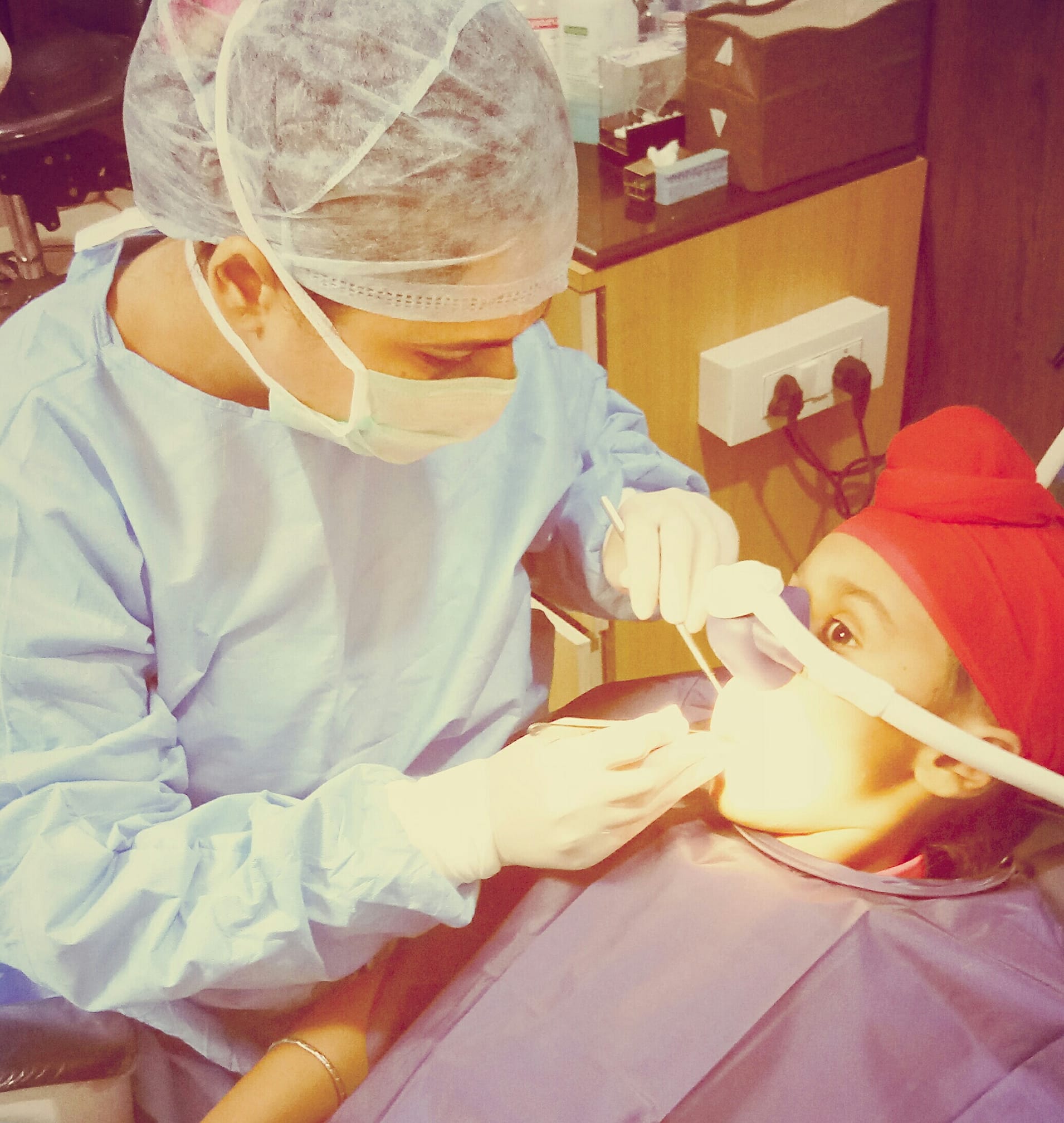
Oral Health Treatment
Building a Foundation for a Lifetime of Health
The connection between breathing patterns and oral health is undeniable. A child who breathes through their nose sleeps better, grows better, and develops a healthier, broader smile. Conversely, untreated mouth breathing can lead to a lifetime of dental corrections, sleep issues, and health struggles.
As parents, you are the first line of defense. By watching for the subtle signs of mouth breathing and understanding the importance of airway health, you can advocate for your child’s long-term well-being.
At Evergreen Pediatric & Airway Dentistry, we are committed to helping children breathe easier and smile brighter. If you suspect your child is a mouth breather, or if you simply want to ensure their facial development is on the right track, don’t wait.
Schedule a consultation with Evergreen Pediatric & Airway Dentistry today. Let’s ensure your child’s health foundation is solid, starting with the very first breath.
Evergreen Pediatric & Airway Dentistry
Dr. Susan Kim
12910 Totem Lake Blvd NE #103
Kirkland, WA 98034
(425) 814-3196
Get Directions on Google Maps
evergreenkidsdentist.com