


What Makes Laser Release Different from Traditional Tongue-Tie Procedures?
Bringing a new baby home is an exciting milestone, but it can quickly become overwhelming if your infant struggles with feeding. Many parents face sleepless nights dealing with a baby who shows extreme fussiness, has poor weight gain, or struggles to latch properly during nursing. Often, these distressing symptoms point to a common but misunderstood condition known as tongue-tie.
Finding out your baby has a tongue-tie brings a sense of relief, followed closely by a new wave of questions. Parents want the safest, most effective treatment for their little ones, which makes choosing the right medical procedure incredibly important.
For decades, doctors relied on a traditional clipping method to release the restricted tissue. Medical technology has advanced significantly since then. Today, laser tongue-tie release offers a highly precise, minimally invasive alternative. Evergreen Pediatric & Airway Dentistry proudly provides this modern solution to help infants feed comfortably and thrive. Understanding the differences between these two approaches will help you make the best, most informed decision for your child’s health.
Understanding Tongue-Tie: What Is It?
A tongue-tie, medically known as ankyloglossia, happens when the band of tissue connecting the bottom of the tongue to the floor of the mouth is too short, tight, or thick. This tiny strip of tissue, called the lingual frenulum, normally separates before birth. When it fails to do so, it restricts the tongue’s range of motion.
Proper tongue movement is essential for an infant. A baby relies on a complex wave-like motion of the tongue to nurse effectively or draw milk from a bottle. When the tongue cannot elevate or extend properly, feeding becomes a frustrating struggle for both the baby and the mother.
Signs and Symptoms to Watch For
Parents are often the first to notice that something isn’t quite right. While every baby is different, there are several key indicators of a possible tongue-tie:
- Latching difficulties: The baby struggles to create a deep, secure latch.
- Prolonged feeding times: Nursing sessions last an unusually long time without satisfying the baby.
- Poor weight gain: The infant fails to gain weight at a healthy, expected rate.
- Colic and fussiness: Taking in excess air during poor feeding leads to gas, reflux, and extreme fussiness.
- Maternal pain: Nursing mothers may experience significant pain, cracked nipples, or frequent breast engorgement.
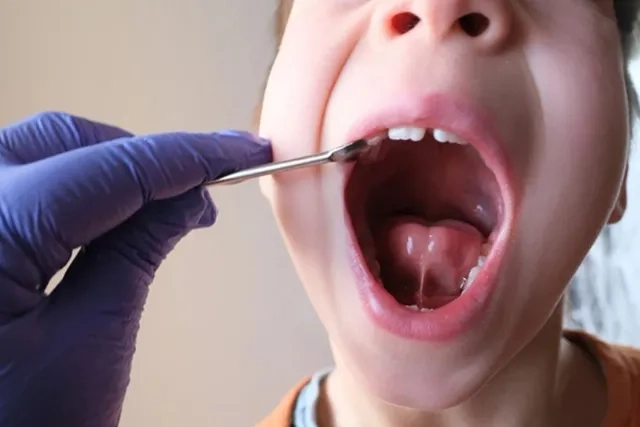
Laser tongue-tie release
Traditional Frenotomy: The Basics
For decades, medical professionals treated tongue-ties using a procedure known as a traditional frenotomy. This method remains widely used in many clinics and hospitals. It involves physically cutting the restrictive tissue to free the tongue.
Tools and Techniques Used
During a traditional frenotomy, a doctor usually uses a pair of sterile surgical scissors. The provider lifts the baby’s tongue to expose the frenulum and simply snips the tissue. In most cases, providers perform this procedure quickly in an office setting. They rarely use anesthesia for infants, relying instead on swaddling and brief comfort measures.
Common Outcomes and Limitations
While a traditional frenotomy often yields immediate improvements in feeding, it comes with certain limitations. Because it relies on a physical cut, the procedure generally causes bleeding. The precision of scissors is also somewhat limited compared to modern tools. Furthermore, there is a higher risk of the tissue reattaching during the healing process, which could necessitate a second procedure.
Laser Tongue-Tie Release: A Modern Approach
Medical technology continually advances, offering safer and more comfortable alternatives to traditional surgery. Laser tongue-tie release, also known as a laser frenectomy, represents a significant leap forward in pediatric dental care.
Advanced Laser Technology
Instead of using scissors, providers use a highly focused beam of light energy to gently release the tight tissue. This laser acts as a precise cutting tool that simultaneously seals blood vessels and nerve endings as it works. The result is a cleaner, more controlled procedure that prioritizes the infant’s comfort.
Why Evergreen Pediatric & Airway Dentistry Uses Lasers
At Evergreen Pediatric & Airway Dentistry, we understand how hard it is to watch your baby undergo a medical procedure. We exclusively use advanced laser technology because it aligns with our core mission: providing the highest standard of compassionate, gentle care. The laser allows our team to perform the release with pinpoint accuracy, minimizing trauma to the surrounding tissues and giving parents total peace of mind.
Key Differences Between Traditional and Laser Procedures
When comparing traditional and laser procedures, parents often wonder exactly how the two methods differ. Understanding these distinctions helps families feel confident in their treatment choice.
Comparison of Tools: Scissors vs. Laser
The most obvious difference lies in the instruments. Scissors physically crush and slice the tissue. The laser uses concentrated light energy to gently vaporize the restrictive band. The laser tool itself does not vibrate or apply physical pressure to the baby’s delicate mouth.
Precision, Bleeding, and Pain Management
A laser offers unparalleled precision. The provider can remove the exact amount of tissue necessary down to a fraction of a millimeter. Because the laser cauterizes as it releases the tissue, bleeding is virtually eliminated. This cauterization also seals nerve endings instantly, significantly reducing the pain and discomfort the baby experiences both during and after the procedure. Traditional scissor methods typically result in more bleeding and require a longer period of discomfort.
Recovery Time and Post-Procedure Care
Both procedures require active post-procedure care to prevent the tissue from healing back together. However, laser treatments generally result in a smoother recovery. The wound left by a laser is clean and sterilized by the light energy itself. With traditional clipping, the physical wound takes longer to close and heal fully.
Benefits of Laser Technology for Tongue-Tie Release
Choosing a laser tongue-tie release surgery offers numerous distinct advantages that make the experience better for both the baby and the parents.
Minimally Invasive and Reduced Discomfort
The laser procedure is incredibly gentle. Without the need for physical pressure from scissors, the infant experiences significantly less trauma. Instant sealing of nerves by the laser means your baby feels much better shortly after the procedure. This approach minimizes post-operative discomfort, creating a much less stressful experience for both parents and infants.
Faster Healing and Lower Risk of Infection
Lasers naturally sterilize the area they touch, significantly lowering the chance of post-procedure infections. This precise, clean release activates the body’s natural healing processes more effectively. Consequently, recovery is faster compared to traditional methods. Parents can feel reassured knowing the procedure promotes health and comfort while reducing potential complications during the healing process.
Enhanced Precision for Better Outcomes
Achieving a thorough release of the tongue-tie is essential for resolving feeding challenges long-term. Traditional snipping may leave deeper layers of restricted tissue untouched, leading to recurring issues. With advanced laser technology, practitioners gain enhanced visibility and precision, enabling them to release the frenulum fully. This ensures optimal tongue mobility and reduces the likelihood of relapse.
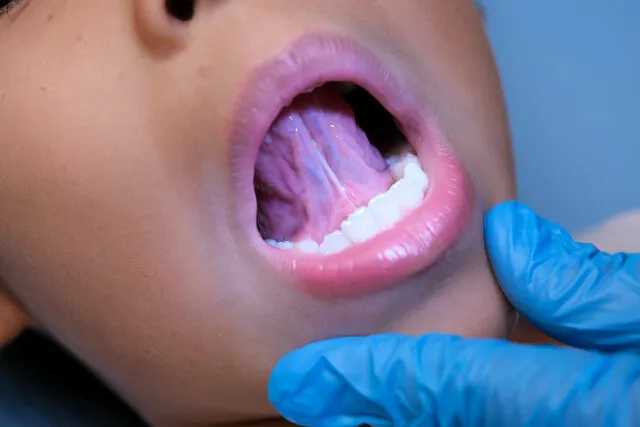
Laser tongue-tie Issue Release
What to Expect During a Laser Tongue-Tie Procedure
It is completely normal to feel anxious about any procedure involving your baby. Knowing exactly what happens step-by-step can help ease your worries.
Step-by-Step Guide to the Laser Process
- Preparation: We welcome you and your baby into a calm, comfortable treatment room. We place protective eyewear on the baby to shield their eyes from the laser light.
- Comfort measures: We swaddle the baby securely to help them feel safe and prevent sudden movements. We apply a topical numbing gel to the area if needed.
- The release: The provider carefully lifts the tongue and directs the laser at the restrictive tissue. The actual laser release takes only a few seconds to complete.
- Immediate reunion: As soon as the procedure finishes, we bring your baby right back to you for feeding and comforting.
Ensuring a Comfortable Experience
Evergreen Pediatric & Airway Dentistry designs every step of this process around your child’s comfort. Our team moves efficiently but calmly, maintaining a soothing environment. We encourage mothers to nurse their babies immediately after the release, as breastmilk offers natural pain relief and the feeding action helps the baby practice their new tongue mobility.
Addressing Common Parental Concerns
Will my baby be in pain?
Discomfort is minimal. The laser seals nerve endings instantly. Some fussiness later in the day is normal, but it is easily managed with extra cuddles and infant pain relievers approved by your pediatrician.
Is the laser safe?
Absolutely. Dental lasers are strictly regulated and highly safe when operated by a trained pediatric dentist.
Recovery and Aftercare: Traditional vs. Laser
The success of any tongue-tie release relies heavily on proper aftercare. Because the mouth heals rapidly, the tissues will naturally try to reattach.
Recovery Timelines
Babies who undergo a laser release often show improved latching within minutes of the procedure. While the area will look like a small, diamond-shaped wound (often appearing white or yellow as it heals), the tenderness usually subsides within 24 to 48 hours. Traditional frenotomies may involve a longer period of soreness due to the nature of the cut. Complete healing for both procedures takes a few weeks.
Tips for Post-Procedure Care
You will need to perform specific stretching exercises to keep the wound open while it heals.
- Wash your hands thoroughly before touching your baby’s mouth.
- Gently lift the tongue to stretch the diamond-shaped healing area.
- Perform these stretches several times a day, exactly as directed by your provider.
- Work closely with a lactation consultant to help your baby relearn how to suck and swallow effectively with their new tongue mobility.
Support from Evergreen Pediatric & Airway Dentistry
We do not just perform the procedure and send you on your way. Our team provides detailed, hands-on demonstrations of the aftercare stretches. We remain available to answer your questions during the healing process and coordinate with your lactation consultant or pediatrician to ensure your family gets comprehensive support.
Why Choose Evergreen Pediatric & Airway Dentistry?
When it comes to your child’s oral and overall health, experience and compassion matter. Under the guidance of Dr. Susan, Evergreen Pediatric & Airway Dentistry offers unparalleled care for infants dealing with tongue-ties.
Expertise in Pediatric Dental Care and Airway Health
Dr. Susan brings years of specialized training in pediatric dentistry and airway health to her practice. She understands that a tongue-tie affects more than just feeding; it influences how a child breathes, sleeps, and eventually speaks. Her holistic approach ensures that your child receives care that supports their long-term development.
State-of-the-Art Laser Technology and Compassionate Care
We invest in the latest laser technology because your child deserves the absolute best. Beyond the equipment, our entire staff dedicates themselves to creating a warm, supportive environment. We listen to your concerns, validate your struggles, and celebrate your baby’s progress alongside you.
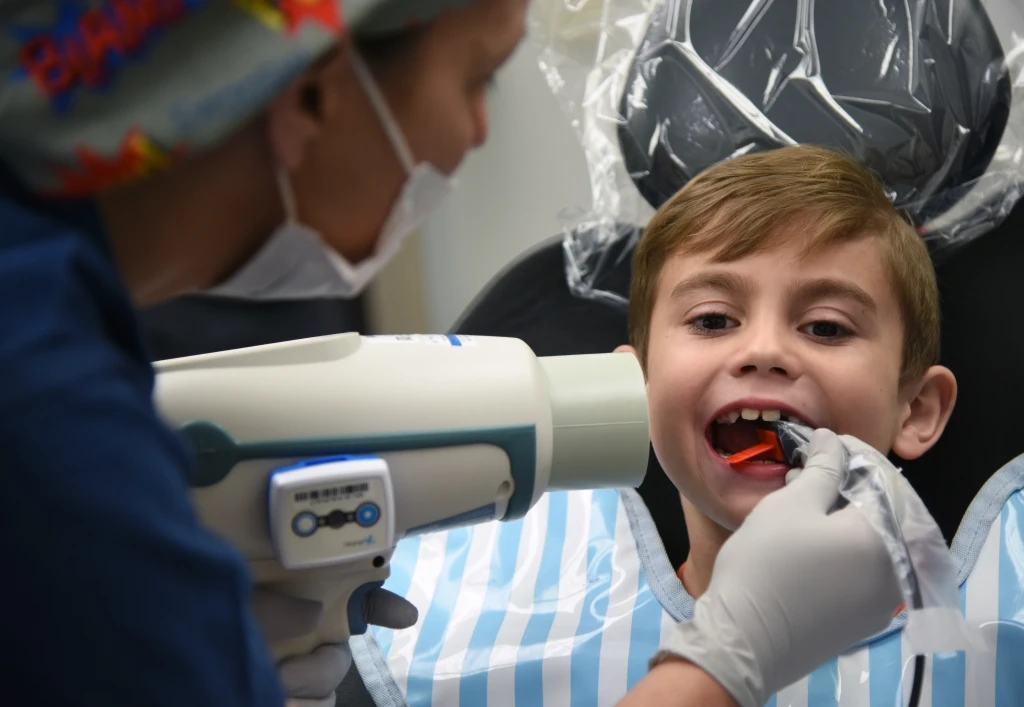
Laser tongue-tie Surgery
Empowering Your Child to Thrive
Navigating feeding difficulties and discovering your child has a tongue-tie can feel daunting. However, modern treatments offer a clear, comfortable path forward. Laser tongue-tie release provides a safe, highly precise, and minimally invasive alternative to traditional methods.
By choosing the laser procedure, you prioritize your baby’s comfort and set them up for a faster, smoother recovery. The right care team makes all the difference in this journey. At Evergreen Pediatric & Airway Dentistry, Dr. Susan and our dedicated team are ready to help your baby thrive.
If you suspect your infant has a tongue-tie or you want to explore the benefits of advanced laser treatments, do not wait. Schedule a consultation with Evergreen Pediatric & Airway Dentistry today to learn more about how laser tongue-tie release can transform your baby’s feeding journey.
Evergreen Pediatric & Airway Dentistry
Dr. Susan Kim
12910 Totem Lake Blvd NE #103
Kirkland, WA 98034
(425) 814-3196
Get Directions on Google Maps
evergreenkidsdentist.com