

Breastfeeding Challenges and Oral Restrictions: When to Seek a Professional Evaluation
Bringing a new baby home is an experience filled with immense joy, profound love, and countless learning curves. Among the most significant of these early milestones is feeding. For many mothers, choosing to breastfeed is a deeply personal decision rooted in the desire to provide optimal nutrition and foster a unique physical bond. However, the reality of nursing often diverges from the idyllic images we see in parenting magazines.
The physical mechanics of nursing require coordination, patience, and practice from both mother and baby. Even when everything goes perfectly, it is a demanding process. When structural issues complicate this natural mechanism, breastfeeding issue can quickly transform from a peaceful bonding experience into a daily source of stress and pain. Struggles such as difficulty latching, inadequate milk transfer, and physical discomfort are incredibly common, yet they frequently catch new parents off guard.
Understanding the root causes of these feeding difficulties is the first step toward finding a lasting solution. Sometimes, the issue is not about technique or milk supply, but rather the baby’s oral anatomy. By learning to recognize the signs of anatomical feeding barriers, parents can take proactive steps to support their baby’s health and their own well-being.
The Emotional Toll of Feeding Struggles
When breastfeeding does not go as planned, the emotional impact on a mother can be overwhelming. Society places a heavy emphasis on the phrase “breast is best,” which, while highlighting the nutritional benefits of breast milk, often inadvertently heaps pressure onto new mothers. If a baby struggles to nurse, mothers frequently internalize this difficulty as a personal failure.
Feelings of guilt, frustration, and deep self-doubt can easily cloud the postpartum period. You might find yourself dreading the next feeding session, crying through the pain of a poor latch, or obsessively worrying about your baby’s weight gain. It is vital to recognize that these struggles are incredibly common. More importantly, facing obstacles while nursing is never a reflection of your dedication, your love for your child, or your abilities as a mother.
Many feeding challenges stem from biological factors entirely outside your control. Acknowledging the emotional weight you are carrying is a crucial part of the journey. Give yourself grace and understand that seeking answers is an act of profound care for both you and your infant.

Breastfeeding Challenges and Oral Restrictions
Understanding Oral Restrictions in Babies
Sometimes, the root cause of breastfeeding difficulties lies in your baby’s mouth. Oral restrictions occur when the tissues connecting the tongue, lips, or cheeks to the mouth are too tight, short, or thick. This limits the normal movement of these structures, making it incredibly difficult for your baby to nurse effectively.
What is a Tongue-Tie?
A tongue-tie, known medically as ankyloglossia, happens when the band of tissue connecting the bottom of the tongue to the floor of the mouth is unusually short, tight, or thick. This tissue is called the lingual frenulum. When a baby has a tongue-tie, they cannot lift, extend, or groove their tongue properly. Proper tongue movement is absolutely essential for breastfeeding. The tongue needs to extend over the lower gum line to draw the breast tissue into the mouth and create a deep, secure latch. A tongue-tied baby often ends up chomping on the nipple instead, causing pain for the mother and leading to poor milk extraction.
What is a Lip-Tie?
A lip-tie occurs when the piece of tissue behind the upper lip—the labial frenulum—is too stiff or attached too low on the upper gum. For a successful latch, a baby needs to flare their upper lip outward like a fish. A lip-tie prevents this flaring, making it hard for the baby to create a proper seal around the breast. Without a good seal, the baby swallows excess air, leading to gas, colic, and an inefficient feed. Understanding these anatomical barriers helps shift the focus from “what am I doing wrong?” to “how can we help my baby function better?”
Signs Your Baby May Have Oral Restrictions
Because babies cannot tell us what they are feeling, parents must rely on physical cues and feeding behaviors to identify potential oral restrictions. The symptoms often manifest in both the infant’s behavior and the mother’s physical comfort.
If you are experiencing any of the following, your baby might be struggling with a lip or tongue-tie:
Difficulty Latching or Staying Latched
A baby with a restricted tongue or lip will struggle to grasp the breast deeply. You might notice them repeatedly slipping off the nipple, making a clicking or smacking sound as they lose suction, or becoming highly frustrated at the breast.
Painful Nursing Sessions
Breastfeeding should not cause severe, ongoing pain. While mild tenderness is normal in the very early days of nursing, sharp, pinching, or cutting pain indicates a shallow latch. When a baby cannot use their tongue properly, they often clamp down with their gums to hold the breast in place, leading to cracked, bleeding, or blistered nipples for the mother.
Ineffective Milk Transfer and Fatigue
Nursing with a restricted mouth requires an immense amount of energy from the infant. Because they are working twice as hard for half the milk, these babies often tire out rapidly. They might fall asleep just minutes into a feed, only to wake up hungry shortly after because they never transferred enough milk to feel satisfied. Over time, this poor milk transfer can lead to slow weight gain for the baby and a drop in milk supply for the mother.
Additional Infant Symptoms
You might also notice your baby swallowing excess air due to a broken latch, leading to severe gas, reflux, or colic-like symptoms. Milk might frequently leak from the sides of their mouth during feedings, indicating an improper seal.
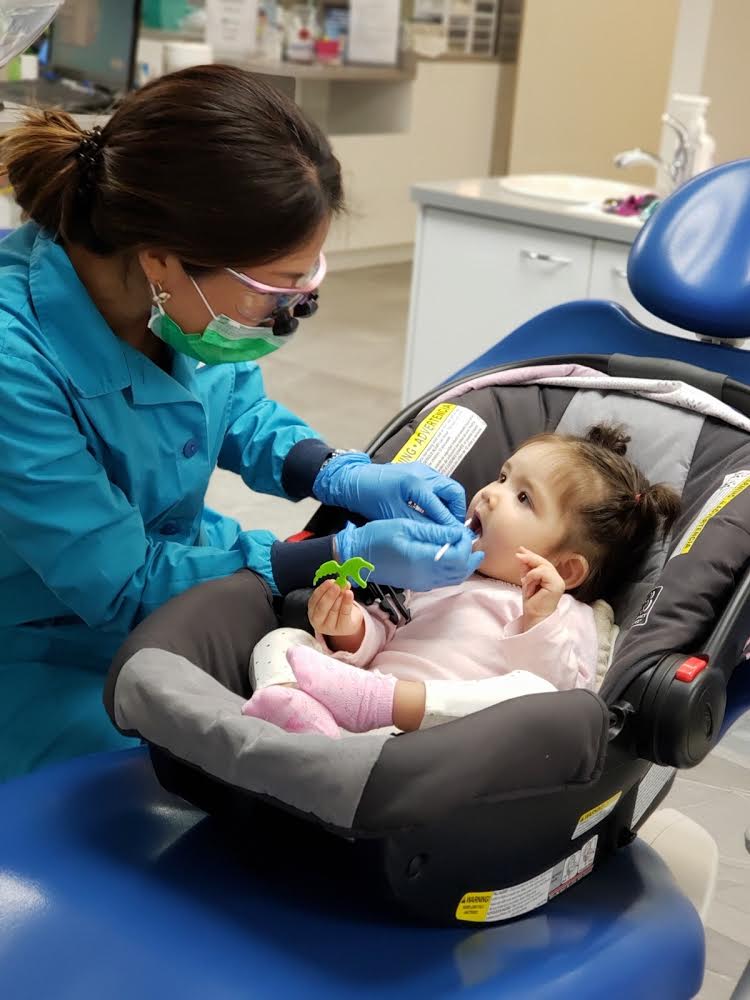
Breastfeeding Challenges and Oral Issue
Why Early Detection is Crucial
Detecting and addressing oral restrictions early provides profound benefits for both mother and baby. When you intervene quickly, you can protect your milk supply, which relies on effective and frequent milk removal. A baby who cannot transfer milk well will leave the breasts full, signaling your body to produce less milk over time.
Early detection directly impacts feeding dynamics. Fixing the underlying anatomical issue allows the baby to learn proper sucking techniques before compensatory habits become deeply ingrained. A comfortable, efficient latch transforms feeding time from a stressful battle into the peaceful bonding experience you originally hoped for.
Beyond immediate breastfeeding outcomes, early intervention supports your child’s long-term health and development. The tongue plays a vital role in shaping the palate and guiding the growth of the jaw. Restricted tongue movement can lead to a high, narrow palate, which may contribute to airway issues, sleep-disordered breathing, and speech difficulties later in life. Furthermore, untreated lip-ties can increase the risk of dental decay in the upper front teeth because milk gets trapped in the tight pockets under the lip. By addressing oral restrictions early, you set the foundation for optimal oral function, healthy growth, and better overall well-being.
When to Seek Professional Help
Navigating infant feeding issues can feel isolating, but you do not have to figure it out alone. If you find yourself dreading feeding times, or if your baby seems persistently unsettled despite your best efforts, it is time to bring in professional support.
Consider seeking an evaluation if you check one or more of these boxes:
- You are experiencing persistent nipple pain, damage, or recurring clogged ducts.
- Your baby is not gaining weight according to their pediatrician’s growth curve.
- Feedings are excessively long (lasting over an hour) or frustratingly short.
- Your baby makes clicking noises while nursing or bottle-feeding.
- Your baby struggles with excessive gas, reflux, or frequent spitting up.
A comprehensive evaluation typically involves a collaborative team approach. An International Board Certified Lactation Consultant (IBCLC) is an excellent first step. They can assess a feeding session, offer positioning adjustments, and identify red flags for anatomical issues. However, diagnosing and treating the actual structural restriction requires the specialized expertise of a properly trained provider, such as a pediatric dentist.
How Evergreen Pediatric & Airway Dentistry Can Help
When you suspect your baby is struggling with an oral restriction, finding a compassionate and highly skilled provider is paramount. Evergreen Pediatric & Airway Dentistry serves as a trusted, expert resource for families navigating these exact challenges.
Led by Dr. Susan, the team at Evergreen Pediatric & Airway Dentistry understands the intricate relationship between oral anatomy, airway health, and infant feeding. Dr. Susan brings a wealth of specialized knowledge in diagnosing and treating lip and tongue-ties in infants. Rather than just looking at the mouth in isolation, she evaluates how the baby’s oral structures impact their overall function, from swallowing and breathing to digestion and facial development.
At Evergreen, the evaluation process is gentle, thorough, and centered around the needs of both the child and the parents. Dr. Susan takes the time to listen to your specific feeding struggles, carefully examines your baby’s oral mobility, and provides clear, evidence-based recommendations tailored to your family’s unique situation.
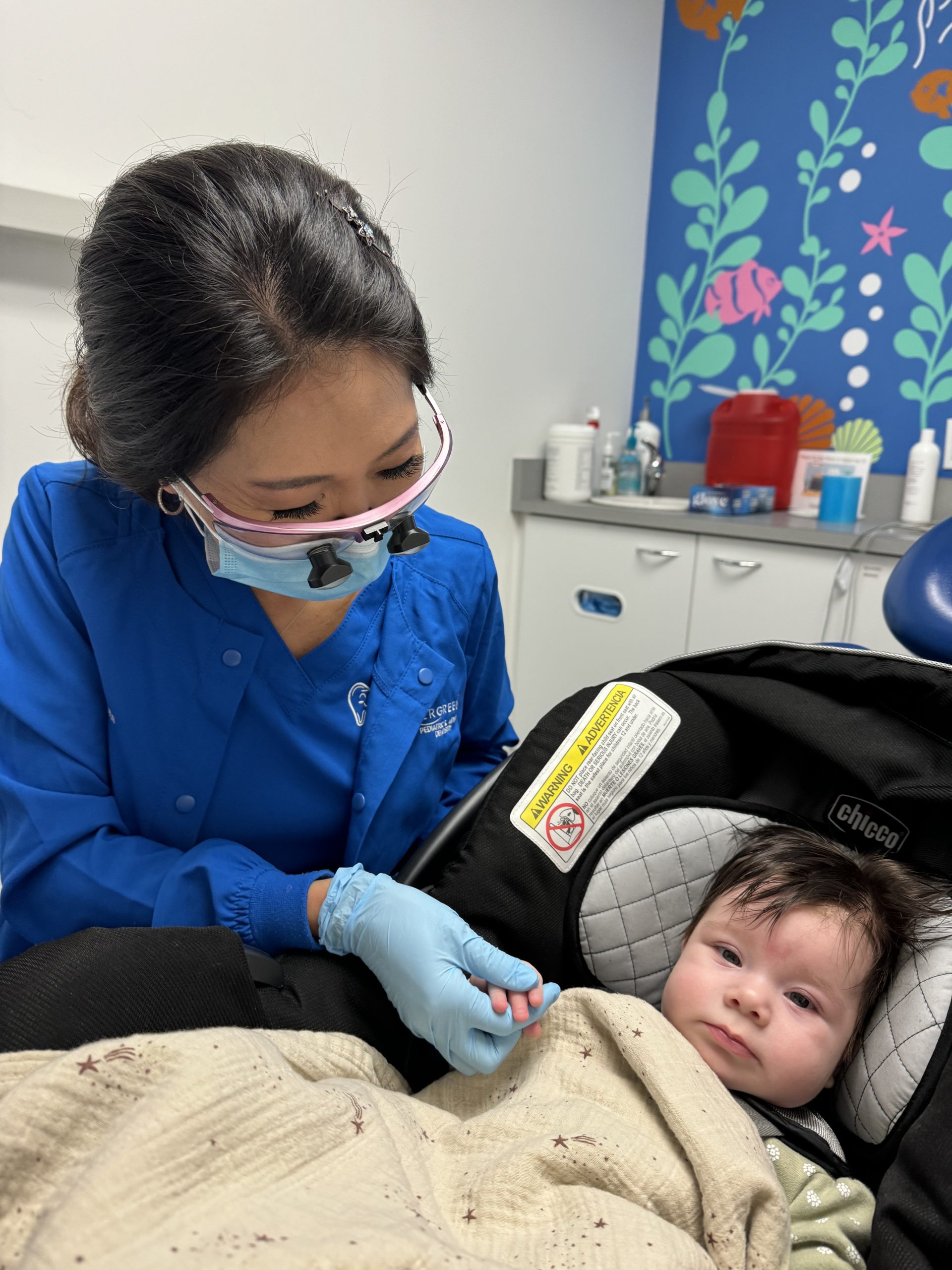
Breastfeeding Challenges Treatment
Treatment Options for Oral Restrictions
If an oral restriction is identified as the culprit behind your feeding challenges, the most common and effective treatment is a procedure known as a frenectomy (sometimes called a frenotomy or revision).
A frenectomy is a safe, straightforward procedure designed to release the tight tissue, instantly restoring the tongue or lip’s normal range of motion. Modern pediatric dental practices, like Evergreen Pediatric & Airway Dentistry, often utilize advanced laser technology to perform this release. Laser frenectomies are incredibly precise, involve minimal to no bleeding, and actually sterilize the area as they work, drastically reducing the risk of infection.
The procedure itself takes only a few minutes. Because it is so quick and minimally invasive, babies are typically returned to their parents immediately for comforting and nursing. Many mothers report feeling an instant difference in the comfort and depth of the latch during that very first post-procedure feed.
Following the release, parents are given specific aftercare instructions, including gentle oral stretching exercises to ensure the tissue heals optimally without reattaching. Continuing to work with a lactation consultant or bodyworker (such as a pediatric chiropractor or craniosacral therapist) after the procedure can also help the baby unlearn compensatory habits and strengthen their newly freed oral muscles.
Trusting Your Instincts and Taking the Next Step
Motherhood requires you to learn a new language—the language of your baby’s cues, cries, and needs. If your intuition is telling you that feeding is harder than it should be, trust that voice. You are the expert on your child, and advocating for their health (and your own comfort) is the most powerful thing you can do.
Feeding your baby should be a time of nourishment and connection, not a battle against pain and frustration. Equipping yourself with knowledge about oral restrictions allows you to move past self-blame and step into problem-solving. Surround yourself with a supportive care team that listens to your concerns and validates your experiences.
If you recognize the signs of a lip or tongue-tie in your infant, do not wait for the struggles to resolve on their own. Reach out to Dr. Susan and the expert team at Evergreen Pediatric & Airway Dentistry today to schedule a comprehensive professional evaluation. By taking this decisive step, you can overcome breastfeeding barriers and pave the way for a happier, healthier feeding journey for you and your baby.
Evergreen Pediatric & Airway Dentistry
Dr. Susan Kim
12910 Totem Lake Blvd NE #103
Kirkland, WA 98034
(425) 814-3196
Get Directions on Google Maps
evergreenkidsdentist.com