
The Long-Term Effects of Untreated Breathing Issues in Kids
Breathing is a foundational part of childhood development. Every breath your child takes supports their growing brain, fuels their active body, and helps them build a strong immune system. When the airway functions perfectly, it sets the stage for healthy growth and peaceful rest.
However, subtle breathing issues often go unnoticed in the early years. You might observe your child sleeping with their mouth open, snoring softly, or breathing heavily during quiet playtime. Because these signs look so innocent, parents frequently assume they are simply quirks that kids outgrow naturally.
Understanding the long-term impacts beyond childhood is vital for your family. Unresolved breathing challenges do not simply disappear as children get older. Instead, they can quietly shape facial development, disrupt daily learning, and alter overall wellness in ways that follow a child into adulthood.
The Hidden Toll on Restful Sleep
Missing deep restorative cycles
When your child struggles for air at night, they are prevented from reaching the deepest, most healing stages of sleep. A restricted airway forces the brain to constantly briefly wake up to resume breathing. This constant interruption stops the natural sleep cycles that young bodies need to repair tissues and consolidate memories.
Waking up tired and drained
Disrupted nights lead to difficult mornings and a lack of natural energy throughout the day. Instead of bouncing out of bed feeling refreshed, your child might wake up groggy, cranky, and unmotivated. The body has spent the entire night working hard just to breathe, leaving very little energy left over for a busy day of play and school.
The strain on the nervous system
Frequent waking keeps your child in a state of high alert instead of peaceful rest. The constant struggle for oxygen triggers the body’s stress response, flooding their system with adrenaline at a time when they should be completely relaxed. This means your child’s nervous system remains constantly activated, preventing true physical and mental recovery.

Breathing Issues & Sleep in Kids
How Breathing Changes Facial Growth
The loss of tongue support
An open mouth causes the tongue to drop, removing the natural pressure that widens the upper jaw. Normally, the tongue rests gently against the roof of the mouth, acting as a natural scaffold that guides the palate to grow wide and flat. Without this gentle support, the jaw lacks the necessary guidance to develop its proper shape.
Developing a narrow palate
The roof of the mouth becomes high and narrow when nasal breathing is restricted. Because the tongue rests low to allow for mouth breathing, the cheek muscles push inward on the upper jaw. This creates a deep, narrow palate that encroaches on the nasal cavity above, further restricting airflow and continuing the cycle of poor breathing issue.
Changes to the lower jaw and chin
The lower jaw often falls backward to keep the airway open, altering your child’s facial profile. When children struggle to breathe through their nose, they naturally tilt their head back and open their mouth to get more air. Over time, this posture causes the lower jaw to grow downward and backward, leading to a recessed chin and a longer facial structure.
The Impact on Daily Focus and Learning
Struggling with attention spans
Poor sleep makes it difficult for your child to concentrate on daily tasks and classroom lessons. When the brain is starved of restorative rest, basic executive functions like paying attention, following directions, and staying on task become monumental challenges. A child dealing with chronic fatigue will easily lose focus and become easily distracted in a learning environment.
Memory and learning challenges
Fragmented rest interferes with the brain’s ability to process and store new information. Deep sleep is the crucial time when a child’s brain organizes the events and lessons of the day into long-term memory. Without these vital sleep stages, a child may have to work twice as hard to remember simple concepts or retain new academic skills.
Falling behind in daily activities
Chronic tiredness prevents your child from fully enjoying their playtime and social interactions. Instead of actively participating in sports or creative play, an exhausted child might withdraw or lack the physical stamina to keep up with their friends. This heavy fatigue takes a toll on their social development and overall happiness.
The Link Between Airway Health and Behavior
Masking exhaustion with hyperactivity
Children often become overly active or restless to fight off the deep fatigue they feel. Unlike adults who slow down when tired, a sleepy child will ramp up their energy levels to stay awake. This artificial burst of adrenaline can make them seem hyperactive, fidgety, and unable to sit still during quiet times.
Frequent mood swings and irritability
A tired brain leads to sudden meltdowns and difficulty managing daily frustrations. When your child is running on empty, they lack the emotional regulation required to handle minor disappointments. Small hurdles suddenly feel like major catastrophes, leading to tears, tantrums, and sudden shifts in mood that leave the whole family exhausted.
Misdiagnosing hidden airway issues
The symptoms of poor sleep are frequently confused with common behavioral or attention disorders. Because hyperactive behavior and poor focus closely mirror the signs of ADHD, many children receive a behavioral diagnosis when the root cause is actually an underdeveloped airway. Addressing the breathing issue can often naturally resolve these confusing behavioral struggles.

Airway Breathing Care
Changes to Dental Alignment and the Smile
Creating crowded and overlapping teeth
A narrow jaw leaves little room for adult teeth to come in straight. When mouth breathing causes the upper jaw to develop poorly, the dental arch simply does not have the circumference needed to accommodate all the permanent teeth. This inevitably leads to crowding, rotated teeth, and a smile that requires extensive orthodontic correction later in life.
The development of overbites and crossbites
Altered jaw growth leads to upper and lower teeth that do not fit together correctly. Since the lower jaw often drops back to open the airway, a significant overbite frequently develops. Additionally, a narrow upper jaw may sit inside the lower teeth, creating a crossbite that makes chewing difficult and causes uneven wear on the enamel.
Increased risk of tooth decay
Breathing through the mouth dries out protective saliva and leaves the enamel vulnerable to bacteria. Saliva is the mouth’s natural defense system, washing away food particles and neutralizing harmful acids. When constant airflow dries out the mouth, cavity-causing bacteria thrive, significantly raising the risk of early childhood tooth decay.
Total Body Health and Immune Function
The burden on the heart and lungs
Working hard to breathe puts unnecessary daily strain on the cardiovascular system. Every time your child gasps for air during sleep, their blood pressure spikes and their heart rate increases. Over many months and years, this continuous nighttime stress forces the heart and lungs to work much harder than they should in a growing child.
Lowering natural immune defenses
Poor sleep and mouth breathing make it harder for your child to fight off common colds and seasonal illnesses. The nose is designed to filter, warm, and humidify the air before it reaches the lungs, capturing dust and pathogens. Bypassing this natural filter through mouth breathing exposes the tonsils and lungs directly to airborne germs, leading to frequent sickness.
Slowing physical growth
Missing out on deep sleep limits the release of essential growth hormones your child needs to mature. The body releases the vast majority of its growth hormones during the deepest stages of sleep. If your child’s breathing constantly pulls them out of these deep cycles, their physical development and overall growth trajectory can be negatively impacted.
Reversing the Damage with Early Intervention
Encouraging natural nasal breathing
Simple awareness and gentle exercises help your child learn to keep their lips closed and breathe through their nose. By retraining the muscles of the face and mouth, a child can unlearn the habit of open-mouth breathing. These simple routines strengthen the lips and tongue, making nasal breathing the comfortable, default pathway for air.
Guiding jaw expansion safely
Conservative methods are used to create space in the mouth and naturally open up the airway. By utilizing custom-fitted, comfortable appliances, dental professionals can gently encourage the jaw to widen and grow forward. This proactive expansion provides plenty of room for adult teeth and immediately increases the volume of the nasal airway.
Collaborating for complete care
Working with a trusted team of specialists ensures your child receives well-rounded support for their breathing. True airway health often requires the combined expertise of pediatric dentists, myofunctional therapists, and ear, nose, and throat doctors. This collaborative approach guarantees that all aspects of your child’s sleep and breathing are fully addressed.
Breathing Issue Treatment
How Evergreen Pediatric & Airway Dentistry Supports You
Our gentle airway evaluations
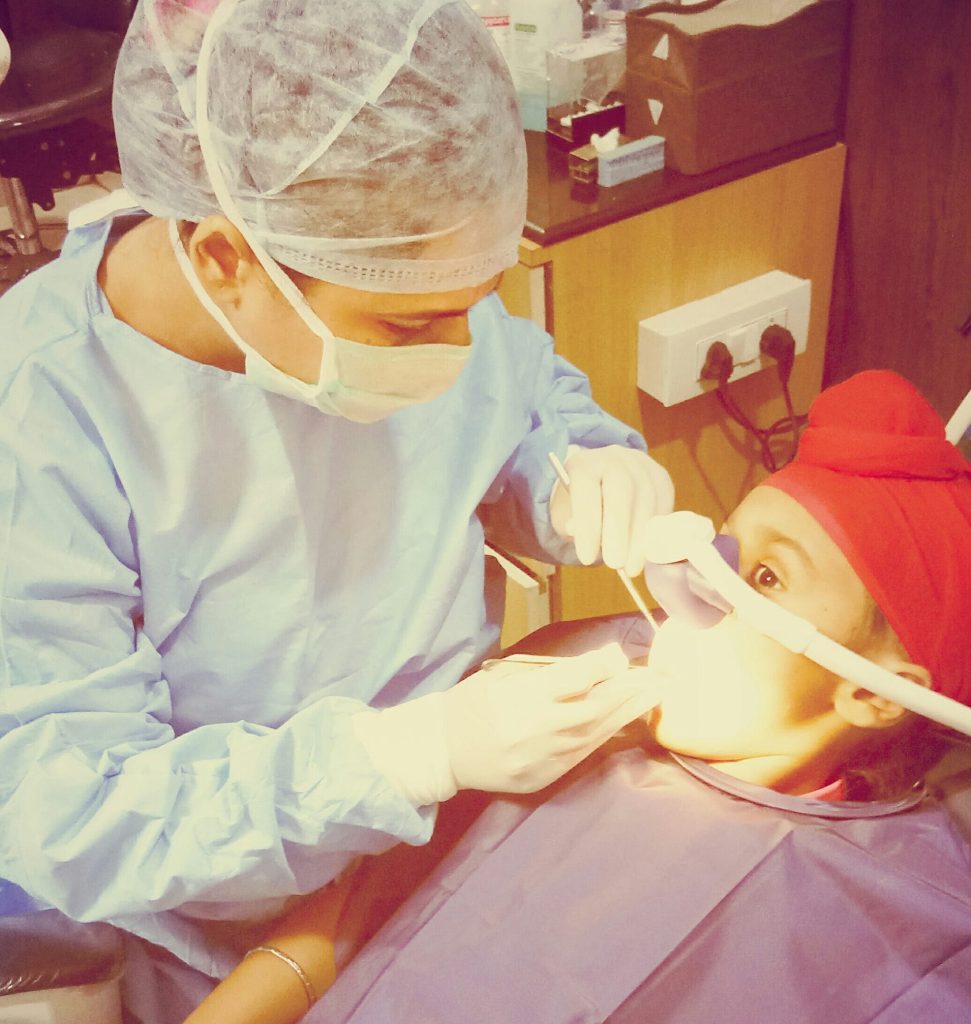
The warm team keeps children calm while carefully checking their jaw growth, tonsils, and breathing habits. A typical visit feels fun and relaxed, completely removing the fear from dental care. Every evaluation looks closely at how the airway is forming, ensuring no subtle signs of sleep disruption or structural issues are missed.
Safe and non-surgical growth guidance
The practice uses natural methods and appliances to expand the jaw and clear the airway without harsh interventions. By catching development issues early, the team can gently guide facial growth in the right direction. This proactive, minimally invasive approach prevents the need for extensive surgeries or complex orthodontic treatments down the road.
Looking at the whole picture
The team evaluates sleep, breathing, and oral function to ensure your child can grow up healthy and strong. Treating a dental issue is never just about fixing a cavity; it is about observing how the entire mouth and airway support the child’s life. You can feel confident knowing your child is receiving comprehensive care designed for their long-term vitality.
Protecting Your Child’s Lifelong Health
Untreated breathing issues can quietly influence lifelong health, affecting everything from facial development and dental alignment to academic success and emotional well-being. The signs are often subtle, but the impact of chronic fatigue and airway restriction is profound.
Early awareness and intervention make all the difference for a growing child. Recognizing the signs of mouth breathing and disrupted sleep allows parents to take action before these habits cause lasting developmental changes. A proactive approach to airway health creates a strong foundation for a vibrant, healthy future.
You can take control of your child’s health today. Reach out to a pediatric airway specialist to support healthy growth, peaceful sleep, and proper development for your family.
Evergreen Pediatric Dentistry
https://www.google.com/maps?cid=14720788683151219551
12910 Totem Lake Blvd NE #103, Kirkland, WA 98034, United States
(425) 814-3196
https://evergreenkidsdentist.com/