

The Connection Between Sleep-Disordered Breathing and Bedtime Struggles in Kids
If bedtime feels like a nightly battle and your child seems to fight sleep despite being tired, the problem might not be behavioral—it could be breathing-related. Many parents spend months or even years trying behavioral interventions, stricter routines, and countless bedtime strategies, only to find their child continues to struggle with sleep.
The truth is, breathing issues during sleep can manifest as behavioral problems that exhaust entire families. When a child’s airway becomes restricted during sleep, their body instinctively fights to stay alert enough to maintain proper breathing. This creates a complex cycle where the very act of trying to sleep becomes associated with discomfort and anxiety.
This comprehensive guide reveals how sleep-disorder breathing issues during sleep can masquerade as defiance, hyperactivity, and bedtime resistance. More importantly, it provides actionable solutions that address the root cause rather than just managing symptoms. By understanding the connection between your child’s breathing and their bedtime struggles, you might discover that addressing respiratory function is the key to peaceful nights and well-rested mornings for your whole family.
Understanding Sleep-Disordered Breathing in Children: More Than Just Snoring
The Spectrum of Breathing Issues
Sleep-disordered breathing ranges from mild upper airway resistance to complete obstructive sleep apnea. Upper airway resistance syndrome might cause subtle breathing disruptions that fragment sleep without obvious pauses in breathing. Children with this condition often appear restless during sleep, changing positions frequently as their bodies work to maintain adequate airflow. Obstructive sleep apnea represents the more severe end of the spectrum, where breathing actually stops for brief periods during sleep.
Age-Related Manifestations
Toddlers with breathing difficulties often become extremely resistant to lying down, preferring to fall asleep sitting up or in their parents’ arms. They may seem to “fight” sleep even when clearly exhausted, becoming increasingly agitated as bedtime approaches. Preschoolers might develop elaborate bedtime rituals that unconsciously help them breathe better, such as insisting on multiple pillows or specific sleeping positions.
The Brain-Sleep Connection
When breathing becomes labored during sleep, the brain receives signals that something is wrong. This triggers frequent micro-arousals—brief moments where the brain shifts into a lighter sleep stage to restore proper breathing. While the child may not fully wake up, these disruptions prevent them from achieving the deep sleep stages essential for growth, learning, and emotional regulation. The impact extends beyond just feeling tired. Deep sleep is when children’s brains process daily experiences, consolidate memories, and release growth hormones.
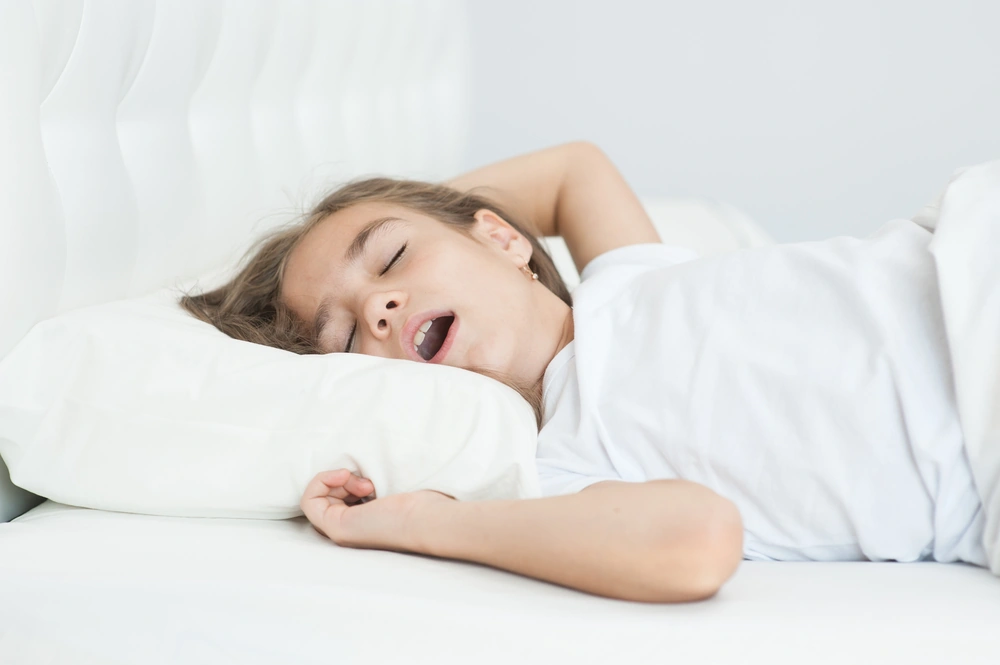
Sleep-Disorder Breathing Issue Treatment
The Hidden Link: How Breathing Problems Masquerade as Behavioral Issues
Fight-or-Flight Response
Children with breathing difficulties often appear hyperactive or resistant at bedtime because their nervous systems are genuinely activated. When the body senses that breathing might become compromised during sleep, it releases stress hormones to maintain alertness. This biological response is designed to keep children safe, but it makes settling down for sleep nearly impossible. Parents often interpret this as defiance or attention-seeking behavior, but the child is actually experiencing a physiological response beyond their control.
Anxiety and Sleep Avoidance
Children who experience breathing difficulties during sleep may develop genuine anxiety around bedtime, even if they can’t articulate why. Their subconscious mind associates lying down and sleeping with discomfort or a sense of danger. This can manifest as elaborate stalling tactics, requests for water, or insistence that parents stay in the room. This sleep anxiety isn’t manipulation—it’s a learned response based on their body’s previous experiences.
Misdiagnosed Conditions
The symptoms of sleep-disordered breathing overlap significantly with ADHD, anxiety disorders, and oppositional behavior. Children who don’t get quality sleep due to breathing issues often struggle with attention and impulse control during the day. They may seem hyperactive, have difficulty following directions, or show increased emotional reactivity. Many children receive behavioral diagnoses and treatments that address symptoms without considering the underlying sleep quality issues.
Recognizing the Warning Signs: Beyond Obvious Sleep Symptoms
Bedtime Behavior Red Flags
Excessive stalling tactics often indicate that a child’s body is resisting the transition to sleep. Children might request multiple glasses of water, need numerous trips to the bathroom, or insist on elaborate bedtime rituals. While some bedtime resistance is normal, persistent and escalating patterns may signal underlying discomfort with the sleep process.
The inability to settle independently is another important indicator. Children who consistently need parents present to fall asleep might be unconsciously seeking the security of having someone nearby in case breathing becomes difficult.
Sleep Position Clues
Pay attention to how your child naturally positions themselves during sleep. Children who consistently sleep sitting up, propped against multiple pillows, or in chairs may be instinctively seeking positions that keep their airways open. Some children sleep with their necks hyperextended or in unusual positions that seem uncomfortable but actually facilitate better breathing.
Daytime Behavioral Indicators
Morning moodiness and difficulty waking often result from fragmented sleep caused by breathing issues. Children who experience frequent sleep disruptions may feel groggy and irritable upon waking, even after spending adequate time in bed.
Afternoon crashes and excessive fatigue may indicate that nighttime sleep isn’t providing adequate rest. Children might seem energetic in the morning but become extremely tired or emotionally dysregulated by afternoon.

Kids Sleep-Disorder Breathing Issue Treatment
Professional Evaluation: When and How to Seek Expert Help
Recognizing when bedtime struggles require professional intervention can save families months or years of ineffective behavioral strategies. Understanding what to expect during evaluation helps parents prepare and advocate effectively for their children.
Timing Your Consultation
Consider professional evaluation if bedtime struggles persist despite consistent routines and behavioral interventions. Red flags include bedtime battles lasting more than 45 minutes regularly, frequent night wakings, persistent morning fatigue, or daytime behavior problems that seem disproportionate to other factors.
Don’t wait for symptoms to become severe. Early intervention for sleep-disordered breathing can prevent more serious health and developmental consequences. Trust your instincts if something seems fundamentally wrong with your child’s sleep patterns, even if others suggest it’s just a phase.
What to Expect During Assessment
Sleep studies may be recommended to objectively measure breathing patterns, sleep stages, and oxygen levels during sleep. These studies can be conducted in specialized sleep centers or sometimes with home monitoring equipment. The evaluation typically includes detailed medical history, physical examination of the airway structures, and assessment of sleep behaviors.
Airway evaluation might involve examining the throat, nose, and mouth structures that affect breathing during sleep. Some specialists use advanced imaging or endoscopy to get detailed views of airway anatomy. The assessment process is typically non-invasive and designed to be comfortable for children.
Treatment Options Overview
Sleep breathing issue treatment approaches vary depending on the severity and cause of breathing difficulties. Medical interventions might include addressing allergies, infections, or other factors that contribute to airway restriction. Dental treatments can address structural issues like narrow palates or jaw positioning that affect airway space.
Surgical options are considered when other treatments aren’t sufficient, but many children improve significantly with less invasive approaches. The goal is always to use the least invasive treatment that effectively addresses the underlying breathing issues and restores healthy sleep patterns.
Breaking the Pattern: Intervention Strategies That Work
Addressing sleep-disordered breathing often requires a multi-faceted approach that combines environmental modifications, behavioral adaptations, and professional treatment. Success comes from addressing both the underlying breathing issues and the anxiety patterns that may have developed around bedtime.
Environmental Modifications
Optimizing the sleep environment for better breathing includes controlling humidity levels, reducing allergens, and ensuring proper air circulation. Many children with breathing difficulties benefit from slightly elevated sleeping positions, which can be achieved with mattress wedges or adjustable beds.
Air quality plays a crucial role in respiratory function during sleep. Consider using air purifiers to reduce allergens, maintaining optimal humidity levels between 40-60%, and ensuring adequate ventilation in bedrooms. These changes alone may provide significant improvement for some children.
Bedtime Routine Adaptations
Incorporating gentle breathing exercises into bedtime routines can help children relax and prepare their respiratory system for sleep. Simple techniques like belly breathing or counting breaths can activate the parasympathetic nervous system and reduce bedtime anxiety.
Timing adjustments may be necessary to work with your child’s natural sleep patterns while addressing breathing needs. Some children benefit from longer wind-down periods that allow their respiratory system to settle gradually. Others may need earlier bedtimes to accommodate the time needed for quality sleep despite breathing disruptions.
Lifestyle and Dietary Changes
Addressing food sensitivities and reducing inflammation throughout the body can significantly impact airway function during sleep. Common dietary triggers include dairy products, which may increase mucus production, and processed foods that can contribute to systemic inflammation.
Supporting healthy weight is important for optimal breathing during sleep, but this must be approached carefully in growing children. Focus on nutrient-dense foods and regular physical activity rather than restrictive dieting. Even modest improvements in overall health can translate to better sleep quality.

Kids Sleep-Disorder Breathing Issue
Evergreen Pediatric Dentistry: Partnering with Parents for Better Sleep
Airway-Centered Dental Exams
Evergreen looks beyond cavities and braces during checkups. Their dentists carefully assess how your child’s jaws, teeth, and airway are developing. By spotting issues like mouth breathing, narrow palates, or other growth patterns linked to sleep-disordered breathing (SDB), they can catch concerns early—before they become bigger problems.
Clear Communication for Families
Medical terms and diagnoses can feel overwhelming, but Evergreen believes parents deserve clear, simple explanations. Their team takes time to walk families through what they see, what it means for a child’s health, and what options are available. With this guidance, parents feel informed and empowered to make the best choices for their child.
Teamwork with Specialists
Because sleep and airway health often involve more than one area of expertise, Evergreen works hand-in-hand with pediatricians, ENT doctors, and sleep specialists. This collaborative approach ensures that your child gets the most comprehensive, well-rounded care possible. With a trusted care team on your side, your child can find real solutions for better sleep.
Your Path to Peaceful Nights Starts Here
Bedtime struggles in children often indicate underlying sleep-disordered breathing issues that require professional attention rather than behavioral modification alone. When breathing difficulties disrupt sleep quality, children may appear defiant, hyperactive, or anxious at bedtime, but they’re actually experiencing physiological responses beyond their control.
Addressing breathing problems can transform not just sleep quality, but overall behavior, academic performance, and family well-being. Children who achieve quality sleep show improvements in attention, emotional regulation, and physical development that extend far beyond the bedroom.
If your child’s bedtime struggles seem beyond normal childhood resistance, consider that breathing difficulties might be the underlying cause. Contact our pediatric specialists for a comprehensive sleep and airway evaluation. Early intervention can prevent years of sleep struggles and support your child’s optimal development during these crucial growing years.
Your child deserves restful sleep, and your family deserves peaceful nights. Understanding the connection between breathing and sleep behavior is the first step toward achieving both.
Evergreen Pediatric & Airway Dentistry
Dr. Susan Kim
12910 Totem Lake Blvd NE #103
Kirkland, WA 98034
(425) 814-3196
Get Directions on Google Maps
evergreenkidsdentist.com