
Swelling, Fever, and Tooth Pain: When It’s a Pediatric Dental Emergency
When your child is struggling with dental pain, it affects the whole family. Understanding why children’s dental symptoms should never be ignored is the first step toward relief. Children cannot always explain their discomfort, making it crucial for parents to recognize warning signs early.
The connection between oral health and overall well-being in kids is profound. A healthy mouth supports a healthy body, ensuring your little one can breathe better, sleep soundly, and smile with confidence. Issues in the mouth often signal or trigger broader health concerns throughout the entire body.
Knowing how early action can prevent complications ensures faster recovery and peace of mind. Prompt attention relieves pain immediately and protects developing adult teeth. Addressing problems quickly keeps your child safe, comfortable, and ready to thrive.
Decoding Pediatric Dental Emergencies
What sets an emergency apart from a minor issue
Telling the difference between standard teething discomfort and an urgent situation requires careful observation. Mild fussiness or a slight temperature often accompanies normal tooth eruption, but intense, unyielding pain signals a deeper problem. Swelling, high fever, and sudden lethargy are clear indicators that your child needs professional care right away.
Why acting quickly matters for your child
Prompt treatment stops pain faster and protects the developing adult teeth underneath the gums. Untreated infections can spread rapidly, causing damage to permanent teeth before they even emerge. Quick intervention resolves the immediate crisis and preserves the foundation for a healthy, beautiful smile.
How to stay calm when your little one hurts
Your calm presence is the first step in comforting an anxious child. Take a slow, deep breath before examining your child’s mouth to keep your own stress levels low. Children look to their parents for reassurance, so maintaining a steady voice helps them feel safe while you assess the situation.
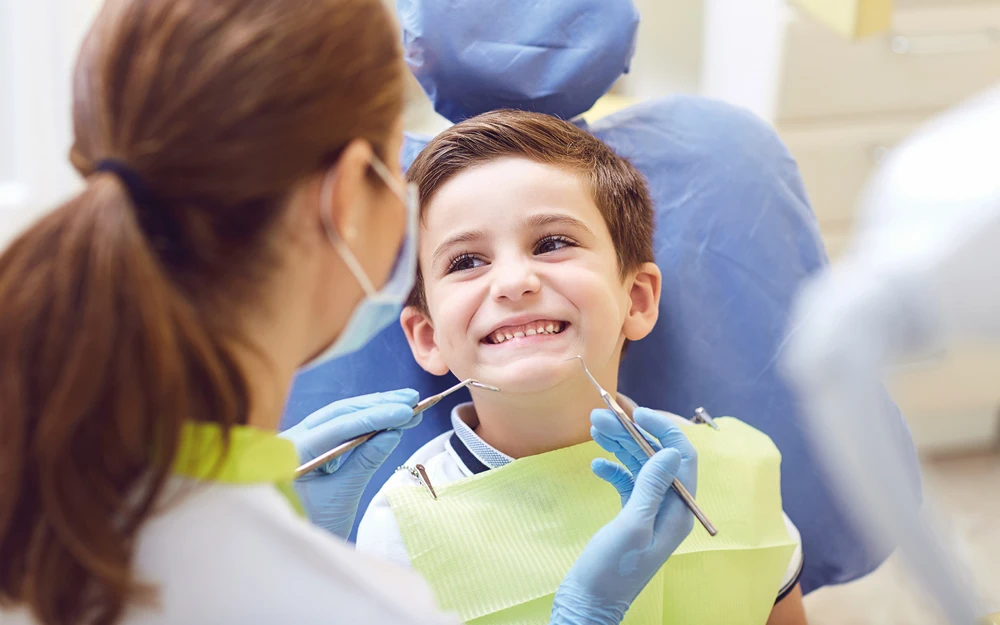
Emergency Pediatric Dental Treatment
Swelling in the Face, Gums, or Jaw
Recognizing the signs of severe swelling
Observing puffiness around the mouth, jawline, or eyes signals a larger issue beyond a simple bump. Swelling that appears suddenly or feels warm to the touch requires immediate evaluation by a professional. This physical reaction often points to an active infection that needs prompt, gentle care to resolve safely.
Tracing the hidden source of the swelling
Common culprits like deep decay or trapped food easily lead to swollen tissues in young mouths. A tiny cavity can grow quietly until it reaches the tooth’s nerve, triggering a painful inflammatory response. Finding and treating this hidden root cause allows the surrounding tissues to heal naturally and completely.
Immediate steps to comfort your child at home
Simple, safe methods using cold compresses and gentle care reduce inflammation before the dental visit. Wrap an ice pack in a soft towel and hold it against the cheek for a few minutes at a time. This soothing temperature change brings fast comfort while you prepare to seek professional help.
Fever Accompanied by Dental Symptoms
How oral infections affect the whole body
Looking at the whole child, not just the teeth, reveals how a dental infection can trigger a systemic fever. The mouth acts as a gateway to the rest of the body, meaning oral bacteria can easily enter the bloodstream. A rising temperature indicates the immune system is actively fighting an infection that originated in the gums or teeth.
Reading the signs of an abscess
Small pimple-like bumps on the gums indicate a pocket of infection requiring professional drainage. These bumps often appear near the root of an infected tooth and cause a persistent, throbbing ache. Recognizing this localized swelling early allows the dentist to clear the infection using biocompatible materials and gentle techniques.
When to seek immediate care
Clear guidelines on temperature thresholds and accompanying lethargy mean you should call a professional right away. A fever over 101 degrees Fahrenheit paired with facial swelling constitutes a true pediatric dental emergency. Seek immediate guidance to ensure your child receives the right treatment to fight the infection and restore their health.
Sudden and Severe Toothaches
Decoding what your child’s crying means
Helping younger children who cannot articulate their pain pinpoint where the ache is coming from takes patience. Ask your child to point with one finger to the exact spot that hurts the most. Gently inspecting the area for trapped food or visible decay helps determine the immediate source of their distress.
The most common causes of sudden pain
Uncovering the reasons behind the ache ranges from hidden cavities to cracked enamel. Children lead active lives, and a seemingly minor bump can quietly damage a tooth’s structure over time. Identifying the exact cause ensures the treatment addresses the true problem rather than just masking the pain.
Safe ways to manage discomfort
Using age-appropriate, over-the-counter pain relief and gentle salt water rinses soothes the area while waiting for an appointment. A warm salt water rinse gently cleans the affected area and reduces minor gum inflammation. These simple home remedies provide a comforting bridge until a pediatric dentist can resolve the underlying issue.
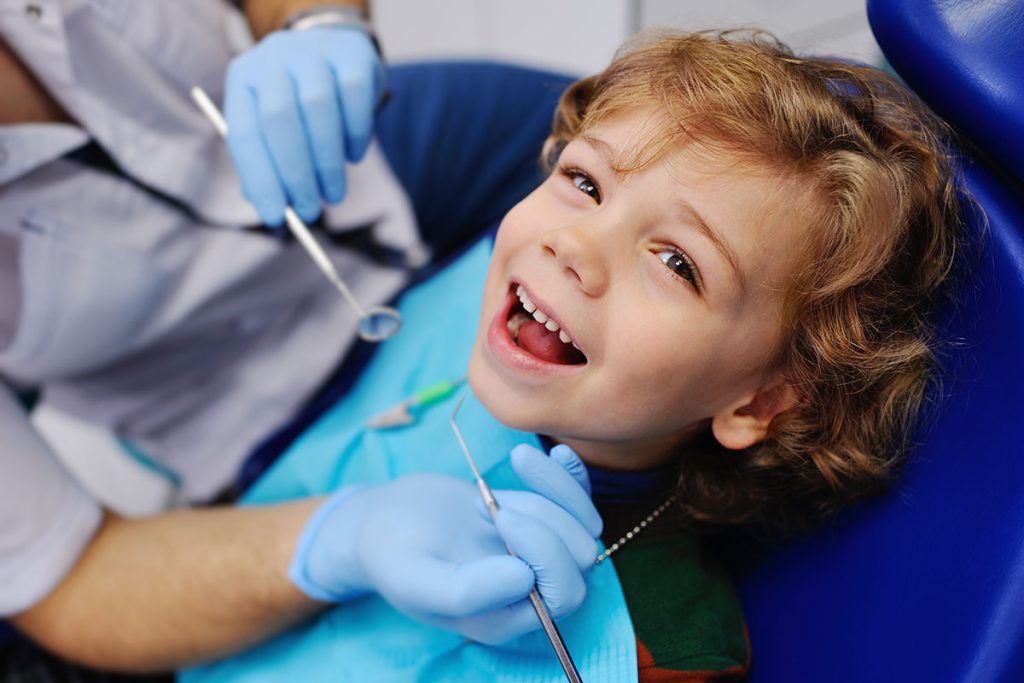
Emergency Pediatric Dentistry
Dental Trauma from Slips, Trips, and Falls
What to do when a baby tooth is knocked out
You should never try to push a baby tooth back into the socket, but controlling bleeding gently remains essential. Reimplanting a primary tooth can severely damage the developing permanent tooth hiding just beneath the surface. Have your child bite down softly on a piece of clean gauze to stop the bleeding and calm the area.
Saving a permanent tooth after an accident
The exact steps to take, including storing the tooth in milk, preserve the root for successful reimplantation. Hold the displaced tooth strictly by the crown, avoiding any contact with the delicate root cells. Getting to a dentist within thirty minutes drastically increases the chances of saving the permanent tooth.
Checking for hidden damage
Looking beyond the teeth to inspect the lips, tongue, and airway catches secondary injuries after a fall. A heavy impact can cause deep cuts inside the mouth or subtly fracture the delicate jawbone. Checking the whole mouth ensures no hidden trauma compromises your child’s ability to eat, speak, or breathe comfortably.
The Link Between Airway Health and Oral Emergencies
How chronic mouth breathing increases emergency risks
Understanding how dry mouth weakens enamel shows why mouth breathing makes teeth susceptible to rapid decay and sudden pain. Saliva acts as a natural defense system, washing away harmful bacteria and remineralizing delicate teeth. When a child constantly breathes through their mouth, this protective moisture vanishes, leaving teeth vulnerable to sudden emergencies.
Spotting sleep and breathing red flags
Observing if your child snores or breathes heavily during a dental crisis can complicate their comfort and recovery. A compromised airway prevents a child from getting the deep, restorative rest required for proper healing. Recognizing these breathing patterns early allows for interventions that support both emergency recovery and long-term vitality.
Healing the root cause of the problem
Addressing breathing habits helps your child avoid future dental emergencies and supports total body health. Correcting airway issues ensures a child can breathe easily, sleep peacefully, and grow properly. Treating this root cause transforms a stressful emergency visit into an opportunity for lifelong health improvements.
Preparing Your Family for Unexpected Dental Needs
Building a practical dental emergency kit
A checklist of essentials like sterile gauze, a small container with a lid, and a cold pack belongs in every family medicine cabinet. Having these specific supplies readily available saves precious minutes when an accident happens. This simple preparation gives parents the confidence to handle unexpected bumps and falls calmly.
Knowing exactly who to call when panic sets in
Creating a clear action plan means you avoid searching for phone numbers when your child is in distress. Program the pediatric dentist’s emergency contact information directly into your phone for immediate access. Knowing exactly who to contact provides instant reassurance when a frightening situation arises.
Talking to your child to reduce anxiety
Reassuring scripts used before and after an emergency build trust rather than fear. Tell your child that the dentist is a gentle helper who knows exactly how to make their mouth feel better. Using positive, calm language transforms a scary experience into a story of healing and bravery.

Emergency Pediatric Dental Treatment,
How Evergreen Pediatric & Airway Dentistry Supports You
A gentle approach to urgent care
Dr. Susan and the warm team turn a scary situation into a calm, reassuring visit for your little one. The clinic environment is specifically designed to soothe anxious feelings and provide immediate, gentle relief. Every step of the emergency process is handled with deep empathy and careful attention to your child’s emotional needs.
Using holistic methods for healing
Exploring the use of biocompatible materials, ozone therapy, and fluoride-free options treats emergencies safely. The practice focuses on biological healing, utilizing non-surgical interventions and hydroxyapatite varnish to protect delicate teeth. Looking at the whole child, not just the teeth, ensures every treatment aligns with the body’s natural healing processes.
Guiding healthy growth after an emergency
Planning for the future with early airway-focused orthodontic guidance ensures the mouth develops perfectly as they grow. Resolving an emergency is only the first step toward securing a vibrant, healthy future for your child. Call the office today to help your child breathe better, sleep soundly, and smile with confidence.
Proactive Care for Lasting Smiles
Recognizing the key signs of a dental crisis, like sudden swelling or high fever, ensures your child receives immediate, appropriate care. Paying close attention to intense toothaches or lingering pain prevents minor issues from escalating into complex emergencies.
Maintaining proactive care and scheduling regular monitoring appointments keeps developing teeth strong and healthy. Routine checkups allow for early detection of potential problems, minimizing the need for stressful urgent interventions.
Keeping children safe, healthy, and smiling confidently remains the highest priority for every parent. With the right preparation and a trusted dental partner, you can feel confident navigating any unexpected bumps along the way.
Evergreen Pediatric & Airway Dentistry
Dr. Susan Kim
12910 Totem Lake Blvd NE #103
Kirkland, WA 98034
(425) 814-3196
Get Directions on Google Maps
evergreenkidsdentist.com