

Same-Day Care for Children with Dental Emergencies
Seeing your child in pain is a parent’s worst nightmare. Whether it’s a sudden fall on the playground, a mishap during sports practice, or a severe toothache that keeps everyone up at night, dental emergencies can be incredibly stressful. The physical pain your child experiences is compounded by the emotional distress of the situation. Parents often feel helpless, unsure of the severity of the injury or how to best alleviate their child’s suffering.
In these moments of crisis, time is often the most critical factor. Dental trauma doesn’t wait for convenient office hours, and the window for saving a damaged tooth or preventing a serious infection can be surprisingly small. Immediate, professional care is not just about stopping the pain—though that is a priority—it is about preserving your child’s long-term oral health. A knocked-out permanent tooth, for example, has the best chance of survival if re-implanted within 30 minutes. An untreated infection can spread quickly, leading to more complex health issues.
Knowing where to turn for same-day dental emergency care provides peace of mind. It transforms a chaotic, frightening situation into a manageable one where your child receives the compassionate, expert attention they need right when they need it most.
What Constitutes a Dental Emergency in Children?
Not every bump or scrape qualifies as an emergency, but when it comes to teeth and gums, it’s often better to be safe than sorry. Understanding the difference between a minor issue that can wait until morning and a true emergency requiring immediate action is crucial for every parent.
Knocked-Out Teeth (Avulsed Tooth)
This is one of the most time-sensitive dental emergencies. If a permanent tooth is knocked out completely, it is a dire situation. The nerves and blood vessels are severed, but the cells on the root surface can survive for a short period if kept moist. Immediate action—finding the tooth, handling it by the crown (not the root), and keeping it in milk or saliva—followed by a race to the dentist can mean the difference between saving the natural tooth and needing an implant or bridge later in life. Note that for baby teeth, we generally do not re-implant them to avoid damaging the developing permanent tooth underneath, but seeing a dentist is still necessary to ensure no fragments remain and the gums are treated.
Severe Toothaches
A toothache might start as a dull throb but can quickly escalate to unbearable pain. If your child is crying from pain, cannot eat or sleep, or if the pain is accompanied by swelling of the face or gums, this is an emergency. Severe pain often indicates an infection or abscess deep within the tooth or gum tissue.
Oral Infections and Abscesses
An abscess is a pocket of pus caused by a bacterial infection. It can look like a pimple on the gum and may be accompanied by fever, a bad taste in the mouth, or swollen lymph nodes. Oral infections are serious because they can spread to other parts of the body, including the jaw, neck, and even the brain if left untreated. This requires immediate professional intervention, often involving antibiotics and drainage.
Chipped or Fractured Teeth
While a small chip might wait a day or two, a significant fracture that exposes the sensitive inner layers of the tooth (the dentin or pulp) is an emergency. Exposed pulp is painful and highly susceptible to infection. If a large piece of the tooth is broken off, try to find it and bring it to the dentist.
Soft Tissue Injuries
Injuries to the tongue, cheeks, or lips can result in heavy bleeding. If you cannot control the bleeding with pressure after 10-15 minutes, or if the cut appears deep enough to require stitches, immediate care is necessary.
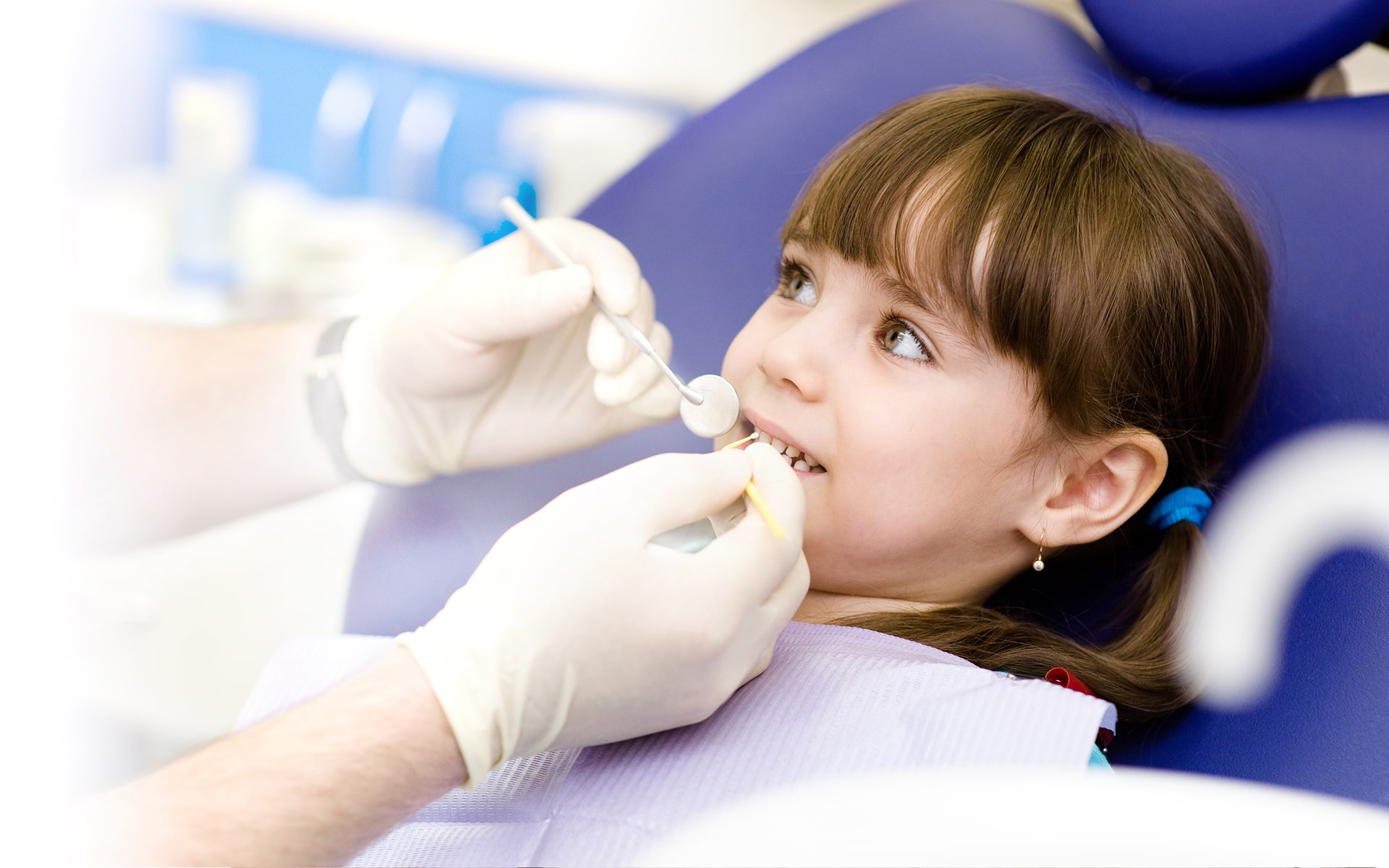
Emergency Dental Treatment
The Role of Same-Day Care in Pediatric Dental Emergencies
When a dental emergency strikes, the “wait and see” approach is rarely the best option. Same-day care is a specialized service designed to bridge the gap between a standard check-up and the urgent needs of a traumatized child.
Immediate Pain Relief
The most immediate benefit of same-day care is pain management. Dental pain can be excruciating, radiating through the jaw and head. A pediatric dentist can quickly diagnose the source of the pain and administer local anesthesia or prescribe appropriate medication to make your child comfortable. This relief allows the child (and the parent) to calm down, making the subsequent treatment much smoother.
Better Treatment Outcomes
The speed of treatment often dictates the success of the outcome. As mentioned with knocked-out teeth, time is of the essence. However, this principle applies to other injuries as well.
- Displaced Teeth: If a tooth is pushed out of alignment (luxated), seeing a dentist quickly allows them to reposition and splint the tooth before it sets in the wrong position.
- Fractures: sealing a fractured tooth quickly protects the pulp from bacteria, reducing the need for more invasive procedures like root canals or extractions later on.
- Infections: Catching an infection early prevents it from damaging the underlying bone structure or affecting developing adult teeth.
Reducing Anxiety
Children are perceptive. If they are in pain and see their parents panicking, their own anxiety skyrockets. Knowing that you have access to same-day care allows you to act with confidence. Furthermore, resolving the issue quickly prevents the development of long-term dental phobia. If a child spends days in pain waiting for an appointment, they may associate the dentist with suffering. Quick, effective relief builds trust and reinforces the idea that the dentist is there to help, not hurt.
Choosing the Right Emergency Pediatric Dentist
Not all dental practices are equipped to handle pediatric dental emergencies effectively. When you are in the midst of a crisis, you don’t want to be scrolling through search results wondering who to trust. It is wise to have an emergency dentist identified before you actually need one. Here is what you should look for.
Specialized Pediatric Experience
Children are not just small adults. Their teeth are still developing, their jaws are growing, and their emotional needs are vastly different. A general dentist might be able to pull a tooth, but a pediatric specialist understands the complexities of saving a primary tooth to hold space for the permanent one, or how to manage a traumatic injury to a young jawbone. They are trained to handle the behavioral aspects of a frightened, injured child using techniques that calm and reassure.
Availability and Flexibility
An “emergency dentist” who can’t see you for three days isn’t offering emergency care. Look for a practice that specifically advertises “same-day appointments” or “emergency slots.” Ask about their policy for after-hours calls. Do they have an emergency line? Will a doctor call you back? Knowing you can reach a professional on a Saturday or late in the evening provides immense security.
A Child-Friendly Environment
The environment plays a huge role in trauma reduction. A sterile, cold clinical setting can be terrifying to a child already in pain. Look for a practice designed with kids in mind—bright colors, welcoming staff, perhaps TVs on the ceiling or toys in the waiting area. More importantly, look for a team that speaks “kid.” They should be able to explain procedures in non-threatening, age-appropriate language.
Sedation Options
In emergency situations, children may be too distraught to sit still for treatment. A practice that offers various levels of dental sedation—from nitrous oxide (laughing gas) to general anesthesia—can make all the difference in getting your child the care they need. Sedation can also be helpful for children with special needs or those who have a difficult time cooperating during procedures.
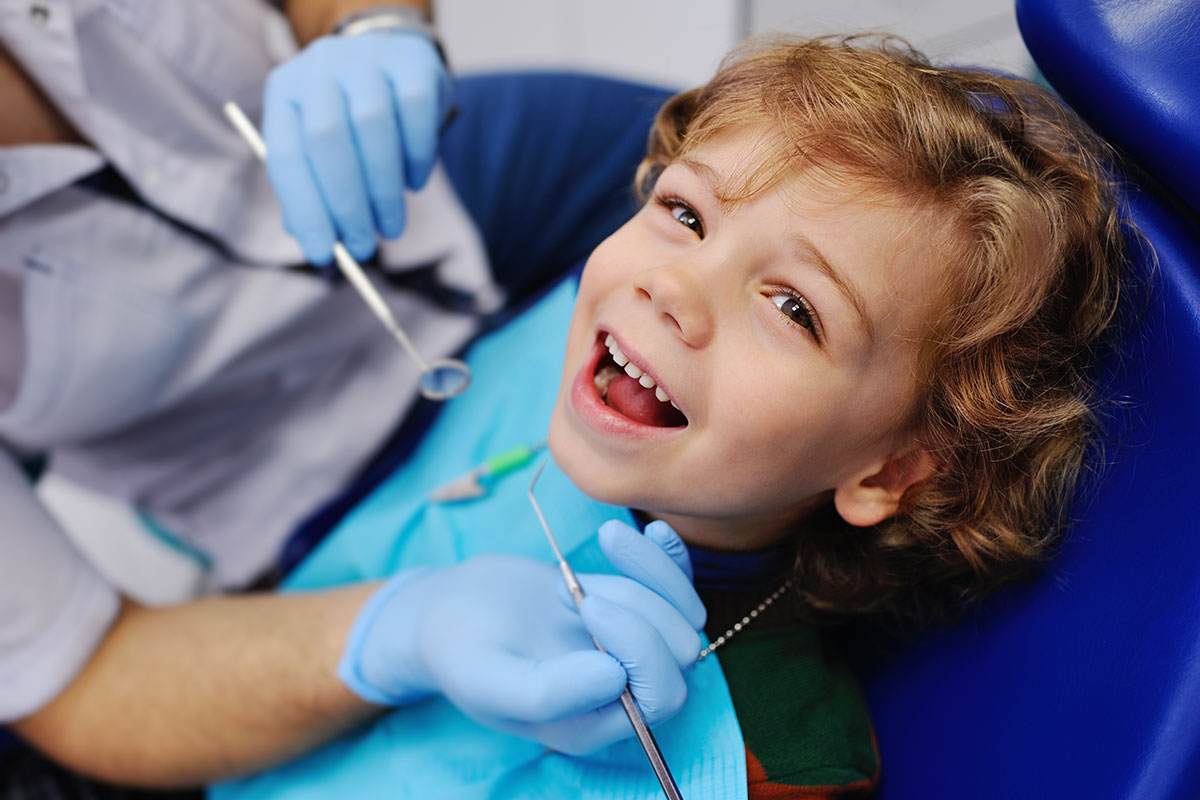
Emergency Dental Treatment Specialist
Why Evergreen Pediatric & Airway Dentistry is the Best Choice for Emergencies
When it comes to same-day pediatric dental care, Evergreen Pediatric & Airway Dentistry stands out as a beacon of reliability and expertise. We understand that dental trauma is a family event, affecting everyone involved, and our approach is holistic, treating the injury while caring for the child.
Unmatched Expertise
Our team is composed of specialists dedicated solely to pediatric dentistry. We have extensive experience handling the full spectrum of dental emergencies, from simple chips to complex avulsions and facial trauma. We stay at the forefront of dental technology and techniques to ensure your child receives the highest standard of care available.
Compassionate, Efficient Care
At Evergreen, we prioritize getting your child out of pain. Our office is structured to accommodate emergency cases same-day because we know that waiting is simply not an option. From the moment you call, our staff is trained to triage the situation, provide immediate home-care instructions, and prepare for your arrival so that treatment can begin as soon as you walk through the door.
Airway-Focused Approach
Uniquely, our focus on airway health means we look at the bigger picture. Sometimes, dental issues are linked to breathing problems or structural concerns. Even during an emergency visit, our comprehensive understanding of oral, facial, and airway development ensures that our treatments support your child’s overall health and growth, not just the immediate symptom.
What to Expect During a Same-Day Emergency Visit
Fear of the unknown is a major source of anxiety for parents and children alike. Knowing what will happen when you arrive at Evergreen Pediatric & Airway Dentistry can help lower everyone’s stress levels.
The Initial Assessment
Upon arrival, you will likely be whisked back to a treatment room quickly. The first step is a rapid but thorough assessment. The dentist will examine the injury visually and may order digital X-rays to check for root damage, bone fractures, or the position of developing permanent teeth. This is done gently, with the staff constantly explaining what they are doing to the child in simple terms.
Pain Management
Before any work begins, addressing pain is the priority. This might involve local numbing gel or an injection. If the child is extremely anxious, we will discuss sedation options with you to ensure they can tolerate the procedure without additional trauma.
The Treatment Plan
Once the diagnosis is clear and the child is comfortable, the dentist will explain the treatment options to the parent. Whether it is splinting a loose tooth, bonding a fractured piece back on, performing a baby root canal (pulpotomy), or extracting a damaged tooth, we ensure you understand the risks, benefits, and steps involved.
The Procedure and Recovery
The procedure is performed efficiently. Our team is skilled at working quickly to minimize the time your child spends in the chair. Afterward, you will be given detailed post-operative instructions. This includes how to manage pain at home, what foods to avoid, how to keep the area clean, and signs to watch for that might indicate a complication. We will also schedule a follow-up visit to monitor healing.
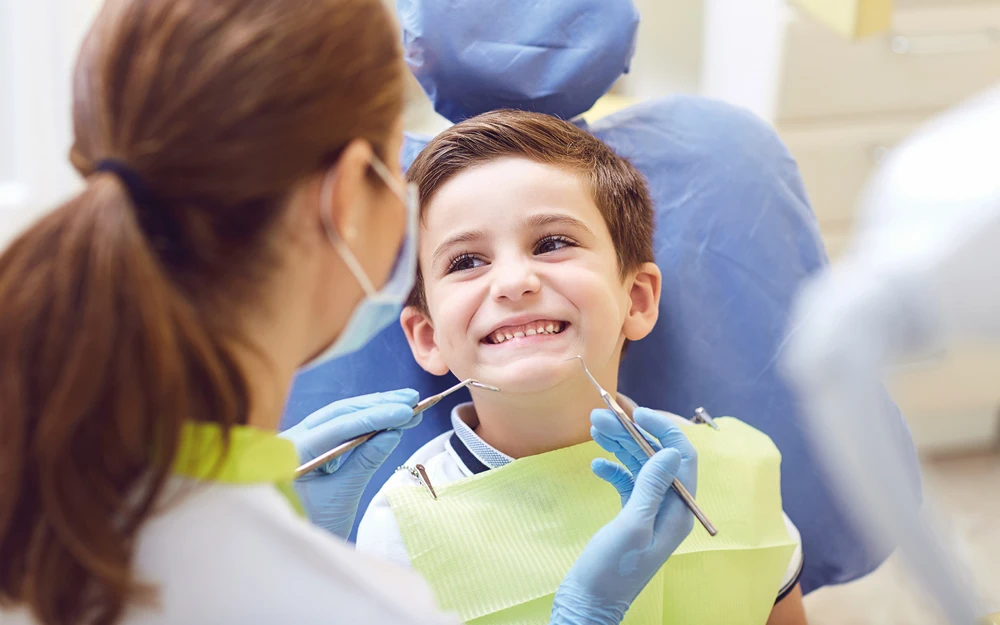
Emergency Child Dental Treatment
Preventing Dental Emergencies: Tips for Parents
While accidents happen, many dental emergencies are preventable. By taking proactive measures, you can significantly reduce the risk of your child ending up in the emergency chair.
Mouthguards are Non-Negotiable
Sports injuries are a leading cause of dental trauma in older children. If your child plays any contact sport—football, soccer, basketball, hockey, or even gymnastics—a mouthguard is essential. While boil-and-bite store-bought guards offer some protection, a custom-fitted mouthguard from your pediatric dentist offers superior protection and comfort, making it more likely your child will actually wear it.
Child-Proofing for Toddlers
For younger children just learning to walk, the home is the primary danger zone. Pad sharp corners of coffee tables, secure rugs to prevent tripping, and be vigilant during bath time where slips on wet porcelain can be devastating to front teeth.
Discourage Using Teeth as Tools
Teach your children early on that teeth are for chewing food, not for opening packages, tearing off tags, or cracking nuts. These habits can weaken enamel and lead to fractures under pressure.
Regular Check-Ups
Routine dental visits every six months do more than just clean teeth. They allow the dentist to monitor the structural integrity of the teeth and catch issues like decay before they turn into abscesses. They can also identify protruding teeth that might be more susceptible to trauma and suggest orthodontic interventions.
Be Prepared and Act Quickly
No parent wants to imagine their child in a dental emergency, but preparation is the best antidote to panic. Save the number for Evergreen Pediatric & Airway Dentistry in your phone today. Knowing exactly who to call can save precious minutes that might save a tooth.
Accidents are a part of growing up, but they don’t have to result in permanent damage. With the right prevention strategies and a trusted partner for same-day care, you can navigate these bumpy years with confidence, knowing your child’s smile is in the best possible hands. If you suspect your child has a dental emergency, do not hesitate—call us immediately. We are here to help.
Evergreen Pediatric & Airway Dentistry
Dr. Susan Kim
12910 Totem Lake Blvd NE #103
Kirkland, WA 98034
(425) 814-3196
Get Directions on Google Maps
evergreenkidsdentist.com