

Local Dental Practices That Specialize in Infant Procedures
When you bring a newborn home, your checklist is usually a mile long. You’re thinking about pediatricians, lactation consultants, and maybe even sleep coaches. But a dentist? Most parents assume that dental care begins when the first tooth pops through the gums. It’s a common misconception, but the truth is that oral health starts much earlier than that first pearly white.
The anatomy of an infant’s mouth plays a critical role in their overall development, influencing everything from successful feeding to proper breathing and future speech. Issues in the oral cavity can lead to significant challenges for both the baby and the nursing parent, often misdiagnosed as simple “fussiness” or “low supply.”
Finding a local dental practice that specializes in infant procedures is about more than just checking for cavities; it’s about ensuring the foundational structure of the mouth is supporting healthy growth. Specialized practices, like Evergreen Pediatric & Airway Dentistry, understand that the mouth is the gateway to the body. They focus on the intricate relationship between oral structure and systemic health, offering interventions that can dramatically improve a baby’s quality of life.
Why Early Dental Care is Essential for Infants
It’s easy to overlook the mouth when there are no teeth to brush, yet the oral cavity is one of the most dynamic parts of a developing infant’s body. The structure of the jaw, the movement of the tongue, and the health of the soft tissues all contribute to how a baby eats, sleeps, and breathes.
The Mouth-Body Connection
Oral health is inextricably linked to overall well-being. The mouth is not an isolated system; it is the beginning of the digestive and respiratory tracts. If the oral anatomy is restricted or undeveloped, it can cascade into other health issues. For example, a baby who cannot create a proper seal while nursing due to a lip-tie may swallow excessive air. This leads to gas, colic, and reflux, which in turn affects sleep quality and growth.
Prevention vs. Reaction
Waiting until a problem becomes undeniable—like severe tooth decay or significant speech delays—is a reactive approach. Early dental care focuses on prevention and proactive management. By evaluating an infant’s oral anatomy early on, specialists can identify potential red flags that general practitioners might miss.
At practices like Evergreen Pediatric & Airway Dentistry, the philosophy centers on proactive care. Dr. Susan and her team don’t just treat symptoms; they look for the root cause. If a baby is struggling to latch, breathes through their mouth instead of their nose, or has high-arched palate, these are structural clues that require attention. Addressing them in infancy can prevent a host of complications, from orthodontic issues to sleep apnea, later in childhood.
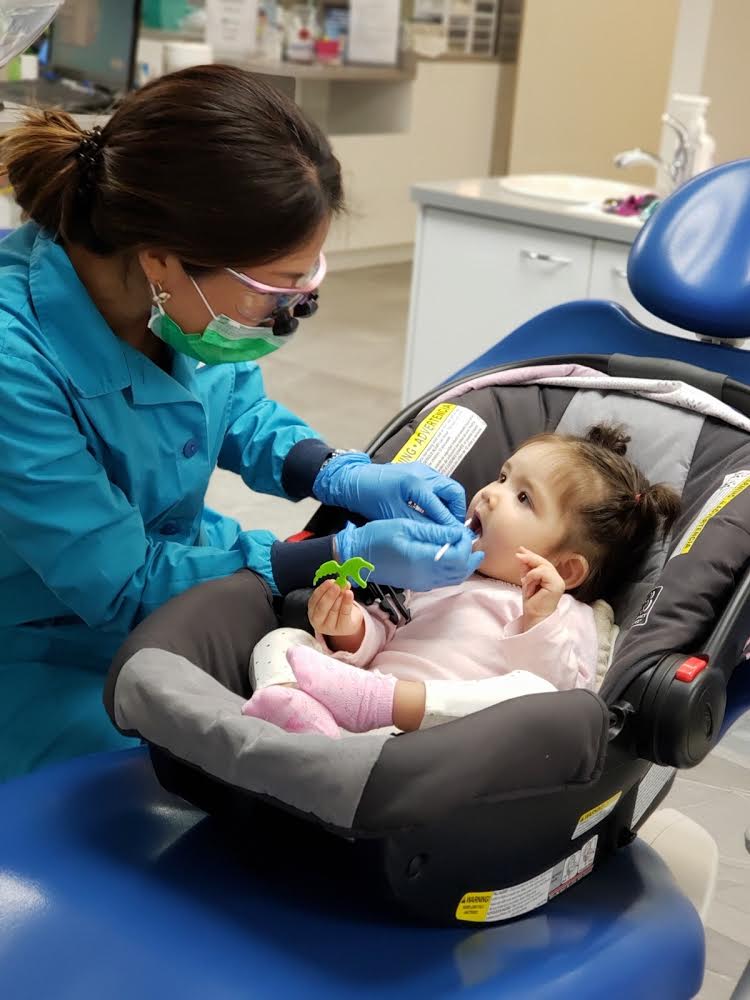
Infant Dental Care
Common Infant Oral Health Concerns
When we talk about “infant dental procedures,” we aren’t talking about fillings or root canals. We are primarily discussing the management of soft tissue restrictions and airway health. Here are some of the most common concerns that specialized pediatric dentists address.
Tongue-Tie (Ankyloglossia)
This is perhaps the most discussed infant oral issue today. A tongue-tie occurs when the frenulum—the band of tissue connecting the bottom of the tongue to the floor of the mouth—is too short, thick, or tight. This restriction prevents the tongue from moving freely.
For an infant, tongue mobility is everything. The tongue needs to elevate to the roof of the mouth to extract milk effectively during breastfeeding or bottle-feeding. If it’s tethered down, the baby has to compensate by using their lips or gums to hold onto the nipple, causing pain for the mother and inefficient feeding for the baby.
Lip-Tie and Buccal Ties
Similar to a tongue-tie, a lip-tie involves the tissue connecting the upper lip to the gum. If this tissue is too tight, the baby cannot flange their lip outward to create a deep seal on the breast or bottle. This often results in a clicking sound during feeding and milk leaking from the corners of the mouth. Less common but equally impactful are buccal ties, which restrict the cheeks and can affect suction.
Airway and Breathing Challenges
The way a baby breathes shapes their face. Ideally, infants should breathe through their noses with their lips sealed and their tongues resting on the roof of the mouth. This posture expands the palate and encourages proper jaw growth.
However, if a baby has oral restrictions (like a tongue-tie), the tongue rests on the floor of the mouth. This can lead to a high, narrow palate, which encroaches on the nasal cavity and makes nasal breathing difficult. You might notice your baby sleeping with their mouth open, snoring, or breathing heavily. These are early signs of airway compromise that a specialized dentist can help identify and manage.
What to Expect During an Infant Dental Visit
The idea of taking a weeks-old baby to the dentist can feel daunting. Will it be painful? Will the baby be scared? Specialized pediatric dental offices are designed specifically to alleviate these fears.
The Environment
A practice focused on infant care looks very different from a standard adult dental office. The environment is typically quieter, warmer, and set up to accommodate nursing pairs. At Evergreen Pediatric & Airway Dentistry, the comfort of the family is a top priority. They understand that you might be arriving sleep-deprived and stressed about feeding issues, so the atmosphere is supportive rather than clinical.
The Exam: A Knee-to-Knee Approach
You won’t see a dental chair for an infant exam. Instead, the dentist will usually perform a “knee-to-knee” exam. You and the dentist sit facing each other with your knees touching. You hold your baby on your lap, facing you, and then lay them back so their head rests on the dentist’s lap. This allows you to hold your baby’s hands and maintain eye contact while giving the dentist a clear view of the mouth.
Education is Key
A significant portion of an infant dental visit is educational. The dentist will ask detailed questions about pregnancy, birth, feeding habits, and sleep patterns. They aren’t just looking at the mouth; they are building a clinical picture of your child’s function.
Practices like Evergreen prioritize empowering parents. They will teach you how to perform “lifts” to inspect your baby’s gum line and how to clean the mouth properly even before teeth arrive. If a procedure like a frenectomy (releasing a tie) is recommended, they will walk you through the benefits, risks, and crucial aftercare exercises to ensure the tissues heal correctly.
Spotlight on Evergreen Pediatric & Airway Dentistry
Finding a provider who understands the nuances of infant oral anatomy is vital. Dr. Susan at Evergreen Pediatric & Airway Dentistry has carved out a niche as a leading expert in this field. Her practice goes beyond standard dentistry to incorporate a holistic view of how the mouth connects to the rest of the body.
Dr. Susan’s approach to treating tongue-ties and lip-ties is comprehensive. She utilizes state-of-the-art CO2 laser technology for frenectomies (the release of the tethered tissue). This method is preferred for infants because it is quick, minimizes bleeding, and sterilizes the tissue as it works, leading to faster healing and less discomfort.
However, the procedure is just one part of the puzzle. Evergreen emphasizes a team-based approach. They understand that releasing a tie is not a magic button; the baby needs to relearn how to use their tongue correctly. Consequently, they work closely with lactation consultants and speech therapists to provide a holistic treatment plan for each patient. This collaboration ensures that all aspects of the infant’s feeding and swallowing function are addressed.
Additionally, Evergreen offers personalized care for each patient. They understand that every baby is unique and may require different approaches to achieve optimal results. The team takes the time to get to know each baby and their specific needs, allowing them to create a customized treatment plan that addresses any underlying issues causing tongue ties.
How to Find a Local Specialist for Infant Dental Care
If you aren’t located near Evergreen Pediatric & Airway Dentistry, or if you are looking for specific criteria, finding the right provider requires some research. Not all pediatric dentists are trained in infant frenectomies or airway health. Here is how to find a qualified specialist.
Research and Credentials
Start by looking for dentists who explicitly mention “airway dentistry,” “frenectomy,” or “tongue-tie” on their websites. General pediatric dentistry is important, but infant procedures are a sub-specialty. Look for advanced training specifically regarding laser dentistry and tongue-tie releases.
Questions to Ask a Potential Provider
When you call a practice, don’t hesitate to interview them. Here are a few questions that can help you gauge their expertise:
- “Do you use a laser or scissors for frenectomies?” Lasers (specifically CO2 lasers) are often preferred for infant procedures as they cauterize the tissue instantly, resulting in less bleeding and a more precise release.
- “Do you work with lactation consultants?” A provider who answers “yes” understands that they are part of a care team, not the sole solution to breastfeeding problems.
- “What is your follow-up protocol?” Effective treatment of oral ties requires active wound management (stretches) to prevent re-attachment. A provider who says “no aftercare is needed” may not be following current best practices.
Why Evergreen Stands Out
Evergreen Pediatric & Airway Dentistry checks all these boxes. Their transparency regarding their methods, their commitment to collaborative care with other health professionals, and their focus on the functional outcome of the procedure make them a trusted option for parents navigating these complex decisions.
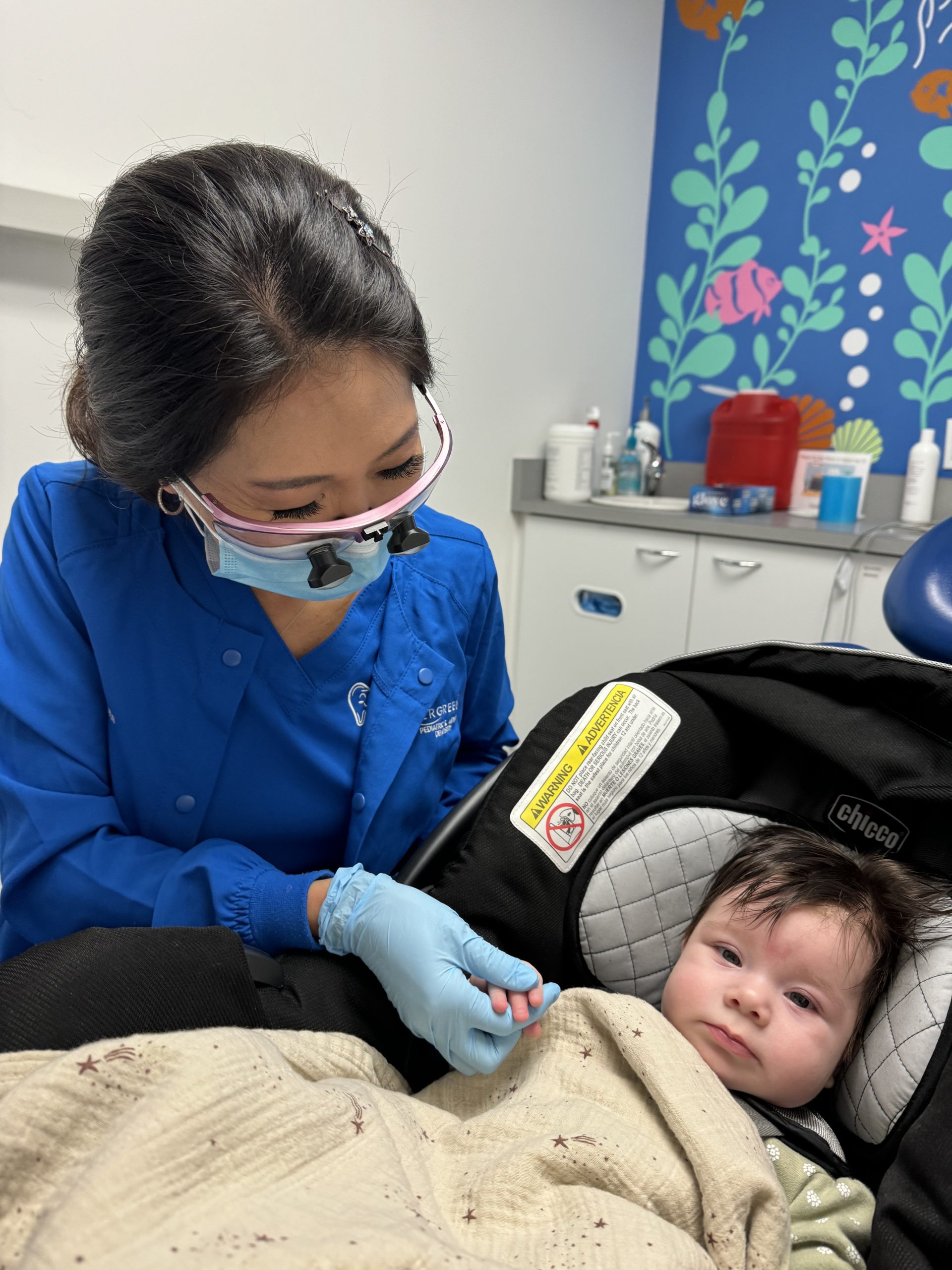
Infant Oral Care
The Long-Term Benefits of Early Oral Health Intervention
It might seem intense to focus so heavily on a newborn’s mouth, but the benefits of early intervention ripple out for years to come.
Improved Feeding and Digestion
The most immediate benefit is usually seen in feeding. A baby who can latch properly takes in milk more efficiently. This leads to better weight gain and a happier, more satisfied infant. It also reduces the intake of air, which can significantly reduce symptoms of reflux, colic, and gassiness.
Healthy Sleep Patterns
By ensuring the tongue can rest on the roof of the mouth and the airway is open, we promote nasal breathing. Nasal breathing filters and humidifies the air, increases oxygen uptake, and promotes deeper, more restorative sleep. A baby who sleeps well develops well—and helps their parents sleep better, too.
Speech and Dental Development
Long-term, a tongue that can move freely is essential for articulating sounds. Many children with untreated ties struggle with speech impediments later in life. Furthermore, proper tongue posture (resting on the roof of the mouth) acts as a natural expander for the upper jaw. This creates enough room for adult teeth to come in straight, potentially reducing the need for extensive orthodontics in the teen years.
Taking the First Step Toward Lifelong Oral Health
Prioritizing your infant’s oral health is one of the most impactful decisions you can make as a parent. It goes beyond checking for cavities; it is about ensuring that your child has the structural foundation to eat, breathe, and speak to their full potential.
If you suspect your baby is struggling with feeding, sleeping with their mouth open, or if you simply want to be proactive about their development, don’t wait. Early assessment can prevent years of potential struggle.
For families seeking a compassionate, expert partner in this journey, Evergreen Pediatric & Airway Dentistry offers the specialized care your infant deserves. Dr. Susan and her team are ready to guide you from those first uncertain weeks into a future of healthy smiles and sound sleep.
Ready to give your baby the best start? Schedule a consultation with Evergreen Pediatric & Airway Dentistry today to assess your infant’s oral health.
Evergreen Pediatric & Airway Dentistry
Dr. Susan Kim
12910 Totem Lake Blvd NE #103
Kirkland, WA 98034
(425) 814-3196
Get Directions on Google Maps
evergreenkidsdentist.com