
How Pediatric Dental Exams Can Reveal Hidden Breathing Problems
Most parents schedule regular dental checkups to make sure their child’s teeth are healthy and developing properly. But what many families don’t realize is that a pediatric dental exam can reveal much more than cavities or crooked teeth. In some cases, it can uncover hidden breathing problems that may be affecting a child’s sleep, behavior, growth, and overall well-being.
At Evergreen Pediatric & Airway Dentistry, routine dental visits are about more than maintaining healthy smiles. Dr. Susan Kim and her team take a comprehensive approach to children’s oral health, paying close attention to how the mouth, jaws, and airway develop together. By looking beyond the teeth, they can often identify signs that may point to underlying breathing concerns before they become bigger issues.
Breathing Problems Aren’t Always Easy to Spot
When parents think about breathing difficulties, they often imagine severe symptoms that would be impossible to miss. However, many airway-related concerns develop gradually and can be surprisingly subtle.
A child who snores occasionally, sleeps with their mouth open, tosses and turns throughout the night, or seems tired during the day may not immediately raise concerns. Some children may even be labeled as inattentive, hyperactive, or poor sleepers without anyone realizing that breathing could be part of the issue.
Because these symptoms don’t always seem connected to oral health, many families are surprised to learn that their pediatric dentist may be one of the first healthcare professionals to recognize potential warning signs.
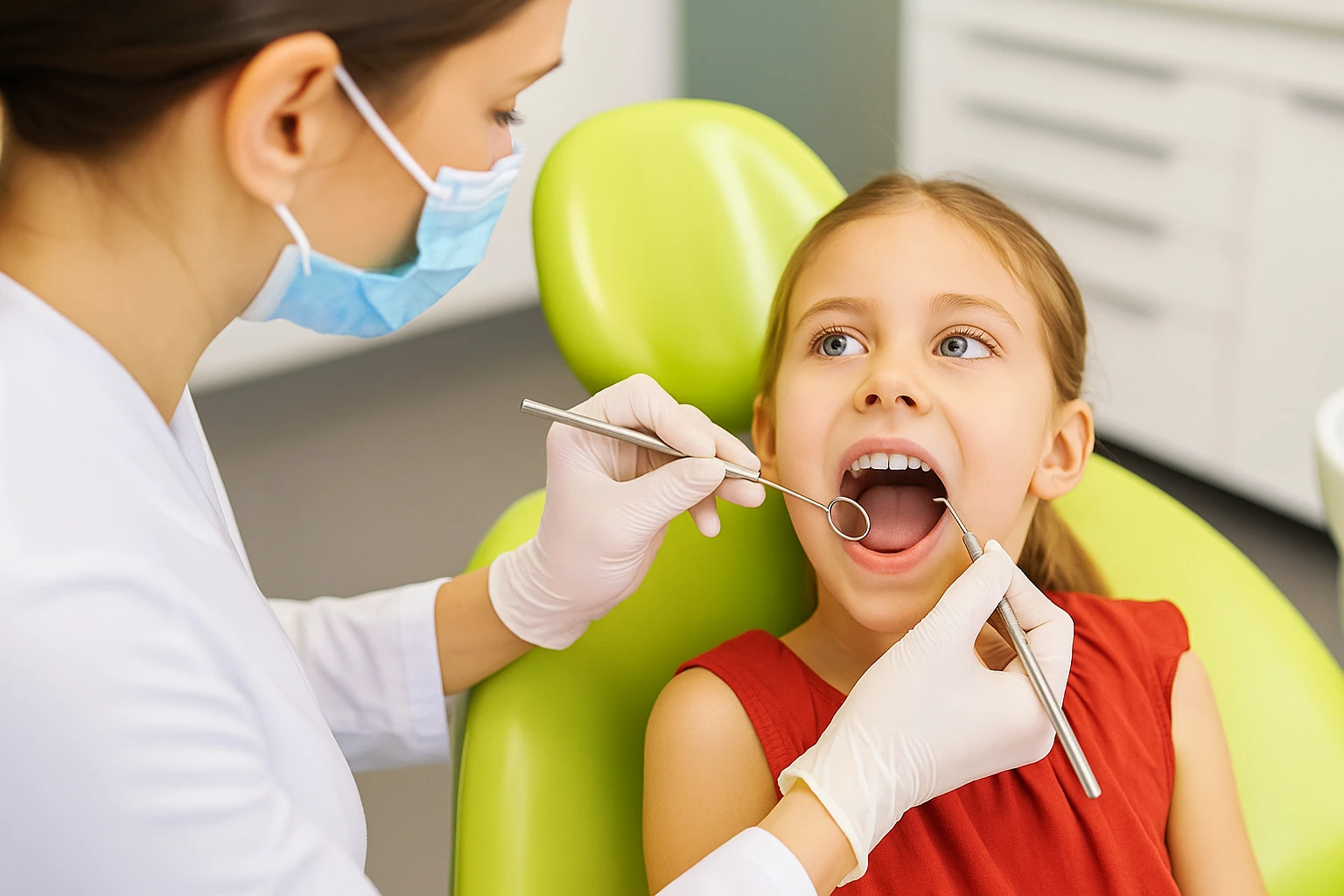
Pediatric Dental Exam
What Dentists Look for During an Airway-Focused Exam
During a comprehensive pediatric dental exam, the team at Evergreen Pediatric & Airway Dentistry evaluates more than just teeth and gums. They also assess important developmental factors that can provide clues about how a child is breathing.
Some things that may be evaluated include:
Jaw growth and development
Tongue posture and movement
Mouth breathing habits
Crowded teeth or narrow dental arches
Facial growth patterns
Oral tissue development
Signs of teeth grinding or wear
These observations can help identify whether a child’s airway may be contributing to certain symptoms or developmental concerns.
Why the Mouth Can Tell Us So Much About Breathing
The mouth, jaws, and airway are closely connected during childhood development. When breathing patterns aren’t ideal, the body often adapts in ways that can affect facial growth and oral development over time.
For example, chronic mouth breathing may influence how the jaws develop. A narrow palate, crowded teeth, or certain bite issues can sometimes be associated with airway concerns. While these findings don’t automatically mean a child has a breathing problem, they can serve as valuable clues that warrant further evaluation.
This is one reason why early dental visits are so important. They give providers an opportunity to monitor growth patterns and identify concerns while children are still developing.

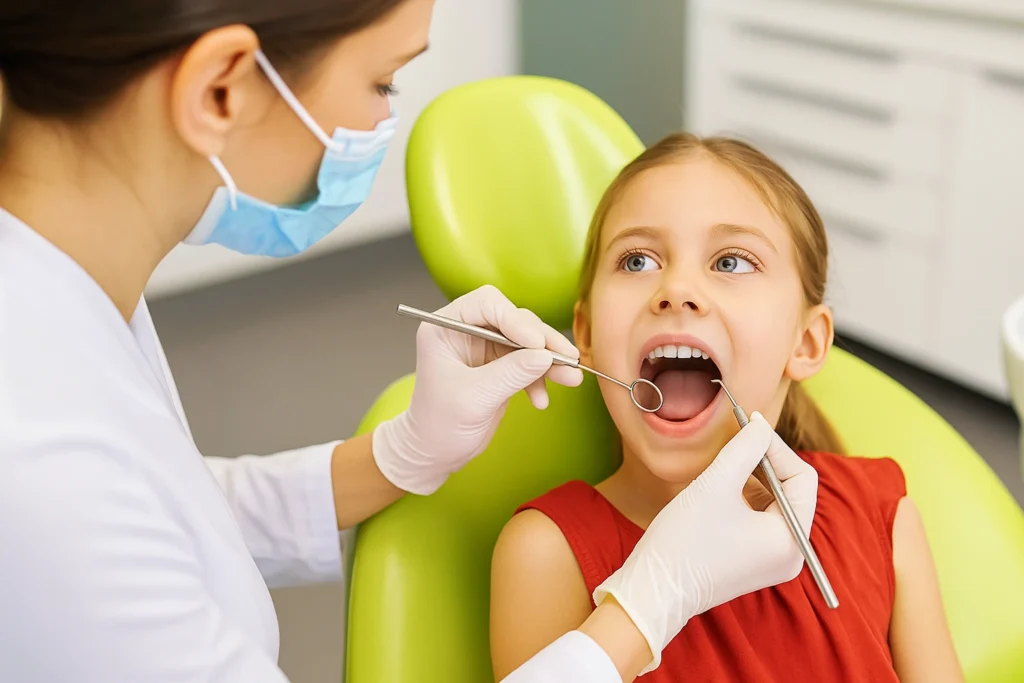
Pediatric Dental Examination
Signs Parents Should Mention at Dental Visits
Parents know their children better than anyone, and sharing observations during dental appointments can be incredibly helpful.
Consider mentioning if your child:
Snores regularly
Breathes through their mouth during the day
Sleeps with their mouth open
Wakes up frequently during the night
Seems tired despite getting enough sleep
Has difficulty focusing during the day
Experiences frequent headaches
Grinds their teeth while sleeping
Even if these symptoms seem minor, they can provide important pieces of the overall picture.
Early Detection Can Make a Difference
One of the biggest benefits of airway-focused pediatric dental care is the opportunity for early awareness. Childhood is a critical period for facial growth and development, making it an ideal time to monitor factors that may influence breathing and oral health.
Identifying potential concerns early allows families to better understand what’s happening and make informed decisions about their child’s care. Rather than waiting for problems to become more noticeable, parents can gain valuable insight during routine dental visits.
A More Complete Approach to Children’s Dental Care
At Evergreen Pediatric & Airway Dentistry, every child is treated as a whole person—not just a set of teeth. Dr. Susan Kim combines pediatric dental expertise with airway-focused evaluations to help families better understand the connection between oral development, breathing, and overall health.
Many parents leave appointments with a greater understanding of how seemingly unrelated symptoms may be connected and what steps can support their child’s healthy development moving forward.
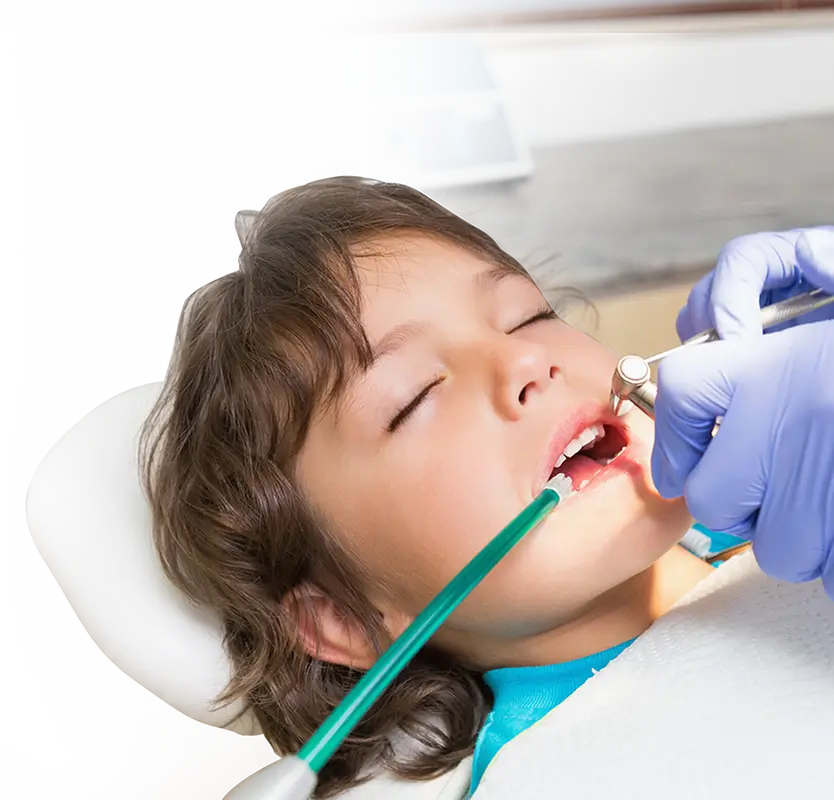
Pediatric Dental Treatment
Helping Children Breathe, Sleep, and Grow More Comfortably
Healthy breathing plays an important role in a child’s quality of life. From restful sleep and proper growth to improved focus and daily comfort, the effects can reach far beyond the mouth.
Regular pediatric dental exams provide an opportunity to monitor these important developmental factors and identify concerns that might otherwise go unnoticed. At Evergreen Pediatric & Airway Dentistry, families receive compassionate, personalized care focused on helping children achieve healthy smiles while supporting their overall well-being.
If you have noticed signs like snoring, mouth breathing, restless sleep, or concerns about your child’s oral development, discussing them during your next dental visit could be an important first step toward understanding the bigger picture.
Evergreen Pediatric Dentistry
https://www.google.com/maps?cid=14720788683151219551
12910 Totem Lake Blvd NE #103, Kirkland, WA 98034, United States
(425) 814-3196
https://evergreenkidsdentist.com/