

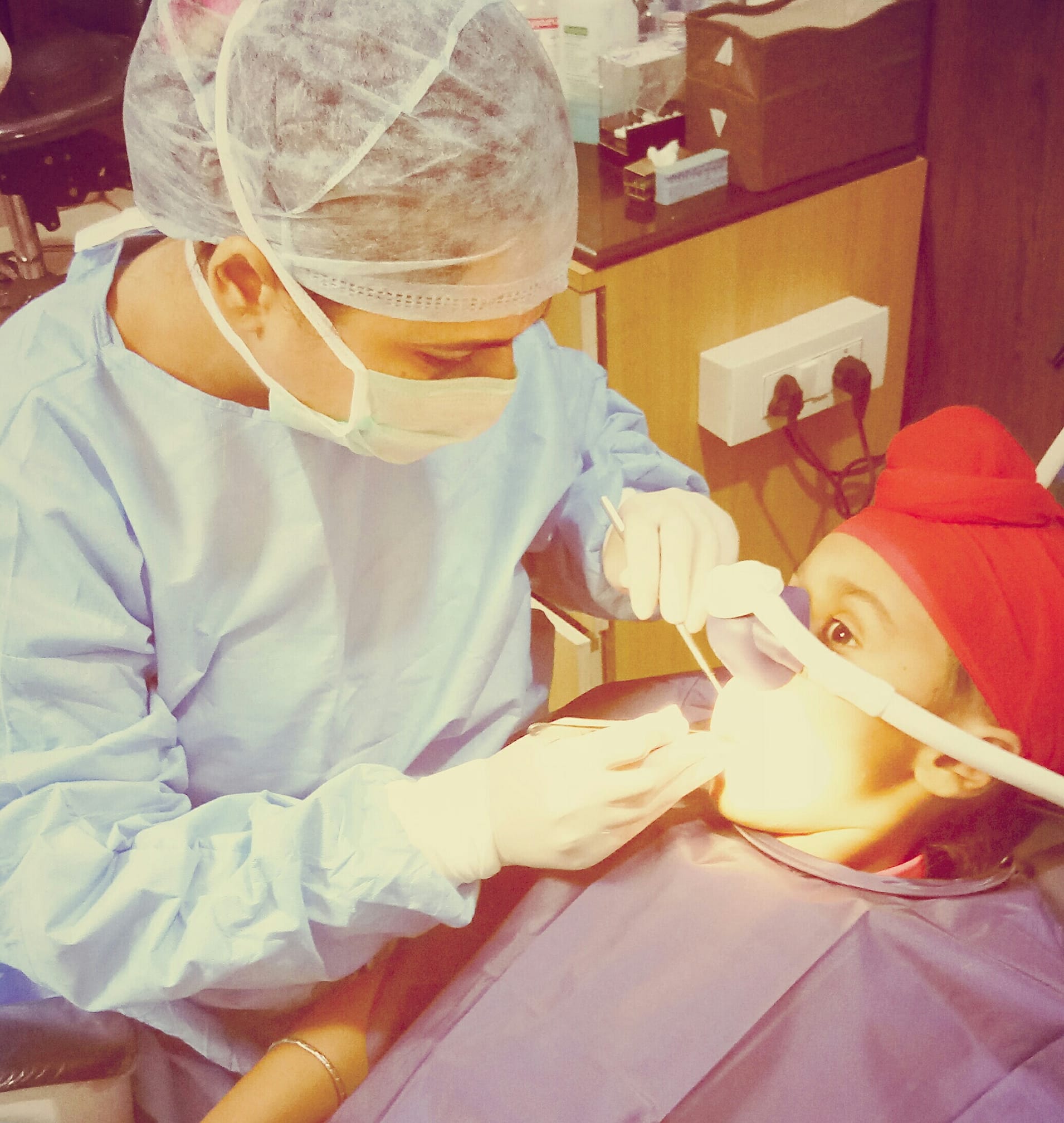
Could Your Child’s Daytime Fatigue Be Linked to Airway Health?
Every parent knows that children have busy days. Between school, sports, activities, and the natural demands of growing up, it’s normal for kids to feel tired from time to time. However, if your child consistently seems exhausted, struggles to focus, has difficulty waking up in the morning, or frequently appears low on energy despite getting what should be a full night’s sleep, it may be worth taking a closer look at what is happening while they sleep.
Many parents assume daytime fatigue is simply the result of a packed schedule or not enough hours in bed. While those factors certainly play a role, another possibility that is often overlooked is airway health. The way a child breathes during the day and especially during sleep can have a significant impact on their overall well-being, energy levels, behavior, and development.
At Evergreen Pediatric & Airway Dentistry, Dr. Susan Kim takes a comprehensive approach to pediatric oral health that includes evaluating airway development and oral function. By looking beyond the teeth alone, families can gain valuable insight into how breathing patterns may be influencing their child’s daily life.
Why Quality Sleep Matters More Than Quantity
When parents think about sleep, they often focus on how many hours their child spends in bed. While sleep duration is important, quality matters just as much.
A child may spend ten or even twelve hours in bed and still wake up feeling tired if their sleep is frequently interrupted. In many cases, these interruptions happen so briefly that parents and children are completely unaware they are occurring.
Healthy sleep allows the body and brain to recover, grow, and recharge. During sleep, children experience important physical and cognitive processes that support learning, memory, emotional regulation, and growth. When sleep quality is disrupted, the effects can often carry over into the next day.
This is why some children who appear to get plenty of sleep may still struggle with fatigue, mood changes, concentration issues, or low energy levels.
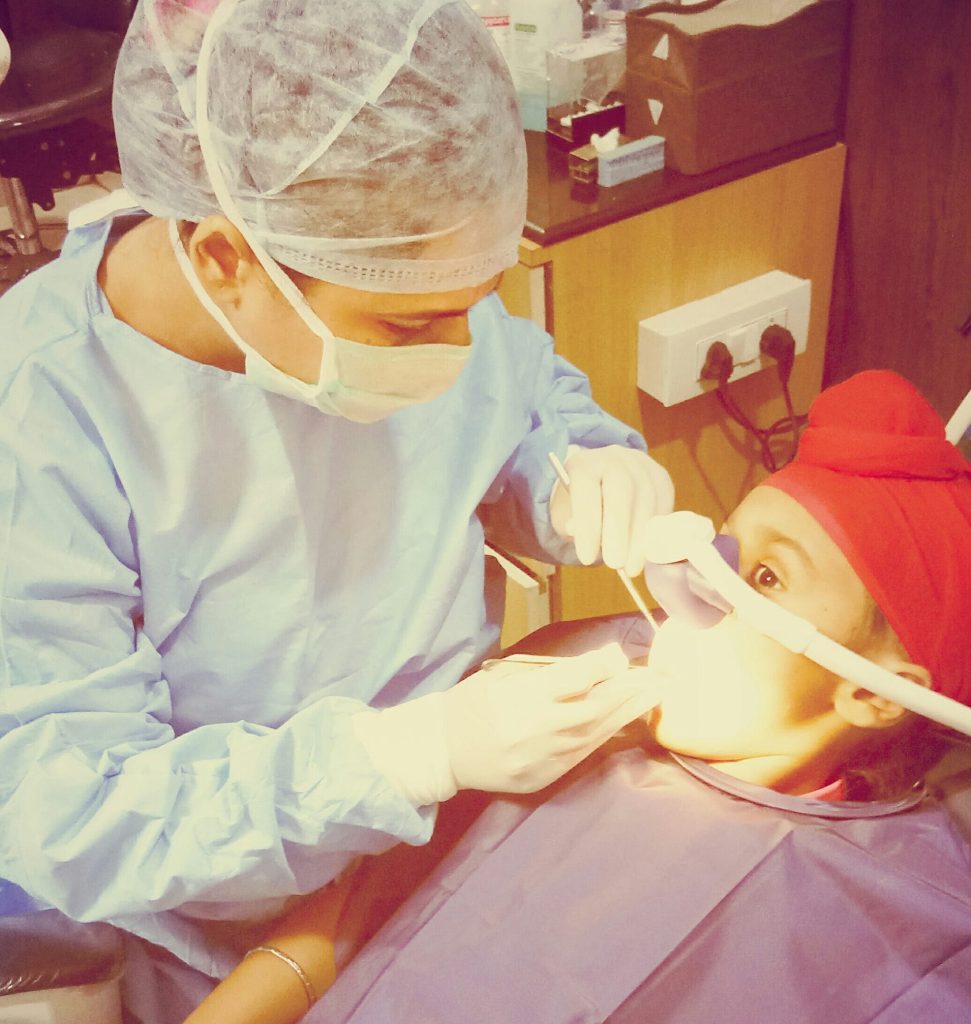
Kids Airway Health
The Connection Between Airway Health and Sleep
The airway is the pathway that allows air to move in and out of the body. When breathing is unrestricted and efficient, children are more likely to experience restful, restorative sleep.
However, if airflow becomes limited during sleep, the body may work harder to breathe. Even subtle disruptions in breathing can interfere with normal sleep cycles. Over time, these interruptions may affect how rested a child feels, even if they remain asleep throughout the night.
Parents are often surprised to learn that airway concerns do not always involve obvious symptoms. While some children snore loudly or exhibit noticeable breathing difficulties, others show more subtle signs that can easily be mistaken for unrelated issues.
Because the mouth, jaws, tongue, and airway develop together, pediatric dental providers are often in a unique position to observe developmental patterns that may influence breathing and sleep quality.
Signs That Fatigue May Be Related to Airway Health
Children do not always express fatigue the same way adults do.
When adults are tired, they often appear sluggish or lethargic. Children, on the other hand, may display symptoms that seem unrelated to sleep. Some become irritable, emotional, or restless. Others have difficulty concentrating in school or seem constantly distracted.
Parents may notice that their child struggles to get moving in the morning despite a full night’s sleep. Teachers may report attention issues or inconsistent performance in the classroom. Some children seem energetic for short periods but quickly become fatigued throughout the day.
Other signs that may warrant further evaluation include mouth breathing, restless sleep, frequent waking, snoring, dark circles under the eyes, or difficulty staying focused during routine activities.
While these symptoms can have many possible causes, airway health care is one factor that should not be overlooked.
Why Mouth Breathing Can Be a Clue
One of the most common signs that may indicate an airway concern is chronic mouth breathing.
Although occasional mouth breathing is normal during illness or nasal congestion, children should generally breathe through their noses when healthy. Persistent mouth breathing can sometimes signal that a child is struggling to maintain efficient airflow through the nasal passages.
Over time, mouth breathing may influence oral development, sleep quality, and overall comfort. Many parents do not notice the habit because it often becomes a normal part of daily life.
A child who sleeps with their mouth open, frequently breathes through their mouth during the day, or appears to have difficulty keeping their lips closed at rest may benefit from a closer evaluation.
Because these patterns often develop gradually, they can be easy to overlook without professional observation.

Children Airway Health
How Oral Development Influences Breathing
The relationship between oral development and airway health is one reason airway-focused pediatric dentistry has become increasingly important.
The jaws, tongue, facial structures, and airway all develop together throughout childhood. The way these structures grow can influence how efficiently a child breathes both during the day and while sleeping.
For example, tongue posture plays an important role in oral development. When the tongue rests comfortably against the roof of the mouth, it helps support healthy jaw growth. Similarly, proper development of the upper jaw contributes to adequate space within the oral cavity and surrounding structures.
When oral development does not occur as expected, breathing patterns may sometimes be affected as well.
This is why Dr. Susan Kim incorporates airway evaluations into comprehensive pediatric dental care. Understanding these relationships helps provide a broader picture of a child’s health and development.
The Impact Fatigue Can Have on Daily Life
Children who consistently experience poor-quality sleep may face challenges that extend far beyond feeling tired.
Fatigue can influence concentration, emotional regulation, academic performance, physical activity, and overall quality of life. Some children become more irritable or sensitive to stress. Others may struggle to focus in school or have difficulty participating fully in activities they normally enjoy.
Parents sometimes describe a child who seems constantly exhausted despite having what appears to be a healthy routine. In these situations, identifying an underlying cause can be an important step toward finding answers.
Because sleep affects nearly every aspect of a child’s development, understanding the factors that may be disrupting rest is essential.
What Happens During an Airway-Focused Evaluation?
Many parents wonder what an airway evaluation actually involves.
At Evergreen Pediatric & Airway Dentistry, Dr. Susan Kim evaluates much more than the teeth themselves. During routine visits and airway-focused assessments, she considers factors such as oral development, tongue posture, jaw growth, breathing habits, and overall oral function.
Parents are encouraged to share observations about sleep patterns, energy levels, breathing habits, and any concerns they have noticed at home.
By combining clinical observations with family input, a more complete understanding of the child’s development can emerge.
This comprehensive approach allows concerns to be identified early and helps families better understand the connections between oral health, breathing, and overall wellness.

Pediatric Airway Treatment
Why Early Awareness Is Important
Childhood is a period of rapid growth and development. The earlier concerns are recognized, the greater the opportunity to monitor development and provide guidance that supports healthy growth.
Many parents spend years trying to understand why their child seems constantly tired without realizing that breathing patterns may be contributing to the issue.
Even when symptoms are relatively mild, gaining awareness of airway health can provide valuable insight into a child’s overall well-being.
The goal is not simply to address fatigue but to understand what may be affecting a child’s ability to achieve healthy, restorative sleep.
Looking Beyond the Teeth
One of the most valuable aspects of modern pediatric dentistry is its ability to look beyond traditional oral health concerns.
At Evergreen Pediatric & Airway Dentistry, care focuses on the whole child. Oral health, airway development, breathing patterns, sleep quality, and overall wellness are viewed as interconnected parts of a child’s development.
This broader perspective allows families to gain a deeper understanding of how seemingly unrelated symptoms may actually share a common connection.
By monitoring growth, oral function, and airway health together, parents can feel confident they are supporting their child’s overall health—not just their smile.
Helping Children Wake Up Ready to Thrive
Every child deserves the opportunity to wake up feeling rested, energized, and ready to learn, play, and grow. While occasional fatigue is a normal part of childhood, persistent tiredness should not be ignored.
If your child consistently struggles with daytime fatigue, mouth breathing, restless sleep, or other signs that may suggest airway concerns, an airway-focused evaluation may provide valuable answers.
At Evergreen Pediatric & Airway Dentistry, Dr. Susan Kim and her team are committed to helping families understand the important relationship between oral development, breathing, and overall health. Through comprehensive evaluations and compassionate care, they help children build a foundation for healthier sleep, healthier growth, and healthier smiles.
Evergreen Pediatric Dentistry
https://www.google.com/maps?cid=14720788683151219551
12910 Totem Lake Blvd NE #103, Kirkland, WA 98034, United States
(425) 814-3196
https://evergreenkidsdentist.com/