

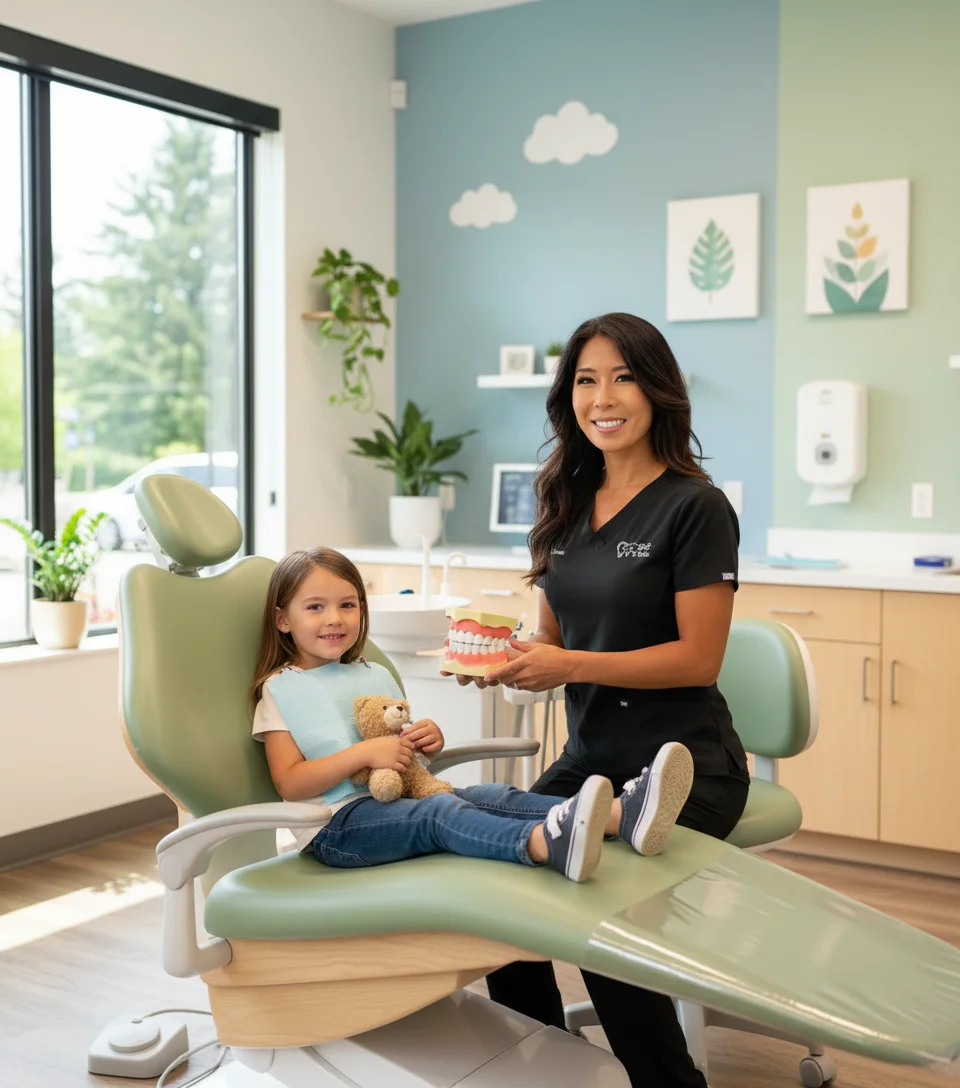
Common Childhood Dental Accidents and How Dentists Treat Them
Childhood is filled with adventure, exploration, and plenty of active play. Whether children are learning to walk, riding bikes, participating in sports, or simply playing with friends, bumps and falls are often part of growing up. While most minor accidents result in little more than a few tears and a quick recovery, some can lead to dental injuries that require professional attention.
For parents, seeing a child injure a tooth can be alarming. A chipped tooth, bleeding gums, or a tooth that appears loose after an accident can create immediate concern and uncertainty about what to do next. Understanding the types of dental injuries that commonly occur during childhood and knowing when to seek professional care can help parents respond quickly and confidently.
At Evergreen Pediatric & Airway Dentistry, Dr. Susan Kim and her team provide compassionate pediatric dental care designed to support children through both routine visits and unexpected dental emergencies. Knowing what to expect after a dental injury can help families feel more prepared should an accident occur.
Why Dental Injuries Are Common During Childhood
Children are naturally active. As they develop new skills and gain independence, they often test their physical abilities in ways that can lead to occasional falls and collisions.
Toddlers frequently experience bumps and falls as they learn to walk and run. School-age children spend more time participating in playground activities, riding bicycles, and engaging in sports. Even teenagers who are highly coordinated can experience accidents during athletic activities or recreational events.
Because the mouth and front teeth are often involved in falls, dental injuries are among the more common childhood accidents. While not every injury requires extensive treatment, it is important to have any dental trauma evaluated to ensure that hidden damage is not overlooked.
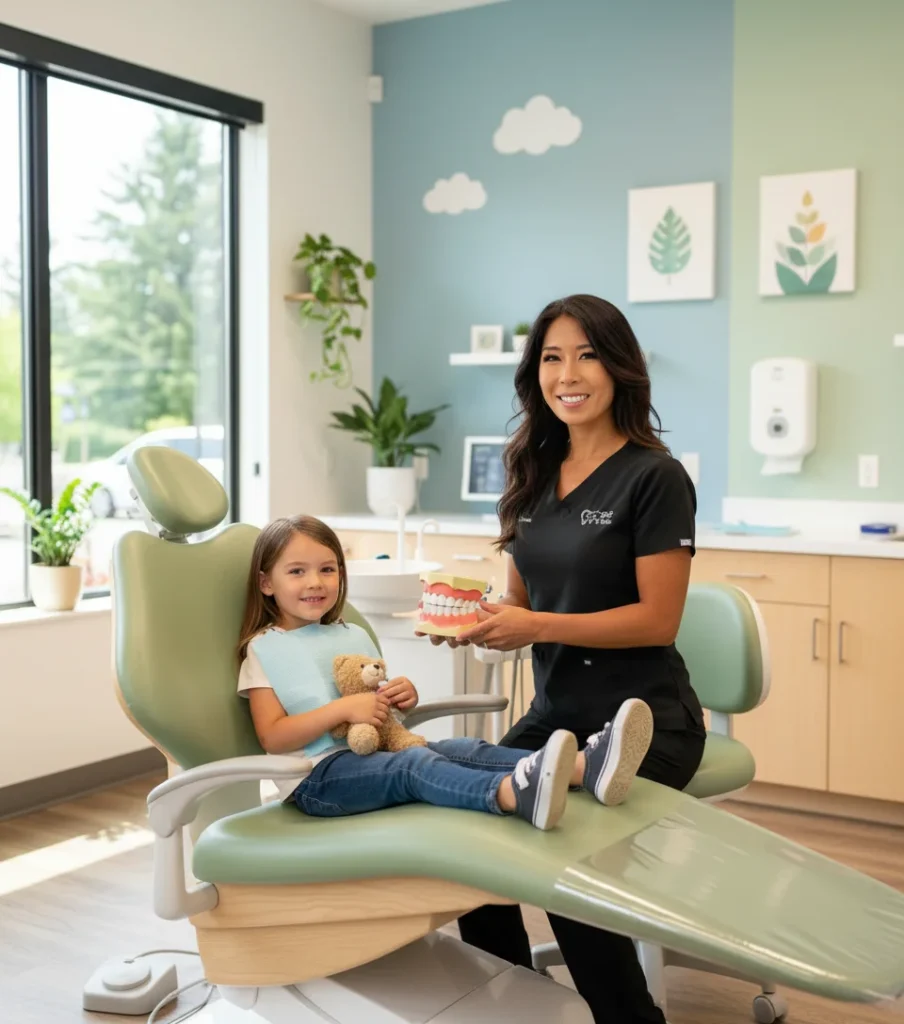
Pediatric Dental Injury Treatment
Chipped or Broken Teeth
One of the most common dental injuries in children is a chipped or broken tooth.
A child may fall while running, collide with another child during play, or experience an accident during sports that results in part of a tooth breaking away. Sometimes the damage is minor and affects only a small portion of the enamel. In other cases, a larger fracture may occur.
Parents often notice rough edges, visible cracks, or changes in the appearance of the tooth. Depending on the severity of the injury, children may also experience sensitivity or discomfort when eating and drinking.
Prompt evaluation is important because even a seemingly minor chip can sometimes affect deeper portions of the tooth. During an examination, Dr. Susan Kim can assess the extent of the injury and determine the most appropriate treatment to restore both function and appearance.
Knocked-Out Teeth
A knocked-out tooth is one of the most urgent dental emergencies a parent can encounter.
These injuries most commonly occur during sports, playground accidents, falls, or other significant impacts to the mouth. The appropriate response depends largely on whether the injured tooth is a baby tooth or a permanent tooth.
Because permanent teeth play an important role in long-term oral health, immediate professional attention is critical whenever a permanent tooth is knocked out. Acting quickly can significantly influence treatment options and outcomes.
Even when parents are unsure whether a tooth has been fully knocked out or partially displaced, contacting a pediatric dentist right away is the safest course of action.
Loose or Displaced Teeth
Not every dental injury results in a tooth being completely knocked out. In many cases, the impact may cause a tooth to become loose or shift from its normal position.
After an accident, parents may notice that a tooth appears crooked, sits differently than neighboring teeth, or moves when touched. Children may also complain of discomfort when biting or chewing.
Because trauma can affect the supporting structures around the tooth, professional evaluation is important even when the tooth remains in the mouth. What appears to be a minor injury may involve deeper tissues that require monitoring.
Dr. Susan Kim carefully evaluates both the tooth and the surrounding structures to determine the extent of the injury and recommend the appropriate course of care.
Injuries to the Lips, Gums, and Soft Tissues
Dental accidents do not always involve the teeth themselves.
Falls and impacts frequently cause injuries to the lips, cheeks, tongue, and gums. These injuries often bleed heavily because the tissues inside the mouth contain many blood vessels. Although the amount of bleeding can be frightening, soft tissue injuries often heal remarkably well when properly cared for.
However, soft tissue injuries should still be evaluated when bleeding is significant, swelling develops, or parents suspect that a tooth may have caused deeper damage to the surrounding tissues.
A comprehensive examination allows the dental team to assess both visible injuries and any underlying concerns that may not be immediately apparent.
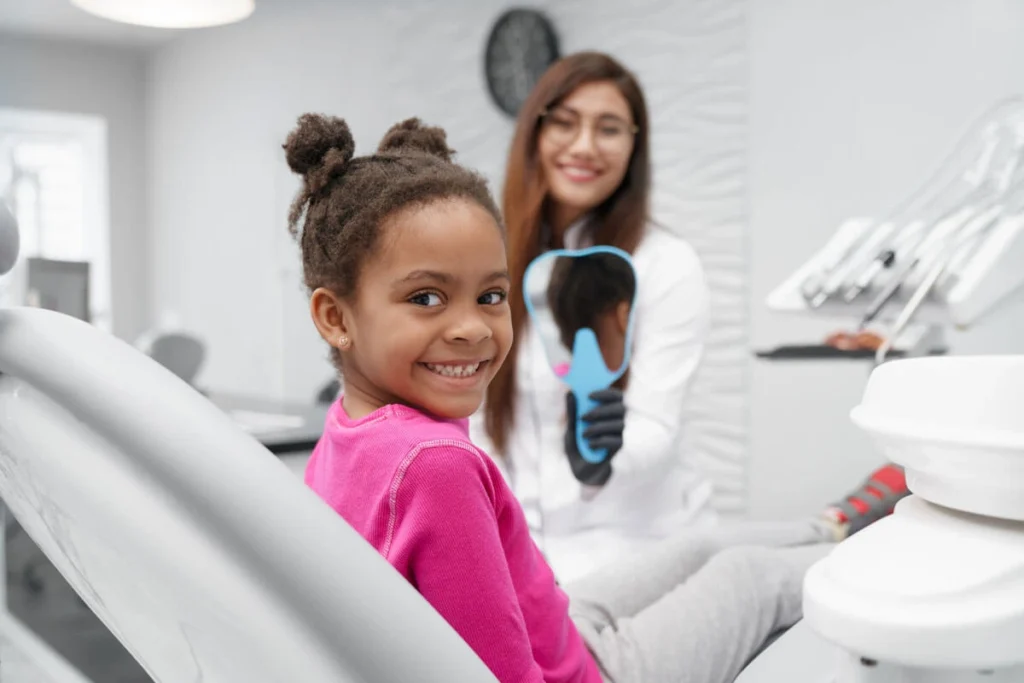
Pediatric Dental Injury Treatment Service
Tooth Sensitivity After an Accident
Sometimes a child appears fine immediately after an injury but begins complaining of tooth sensitivity later that day or in the days that follow.
Sensitivity to hot foods, cold drinks, pressure, or chewing may indicate that a tooth experienced trauma during the accident. In some cases, damage is not visible from the outside but may still affect the internal structures of the tooth.
This is one reason why dental injuries should not be ignored simply because the tooth appears normal. Delayed symptoms can provide important clues about the extent of the injury.
Routine monitoring after trauma helps ensure that any developing concerns are identified and addressed promptly.
Why Some Dental Injuries Require Follow-Up Care
One aspect of childhood dental trauma that often surprises parents is that not all problems appear immediately.
A tooth may look healthy after an accident but develop symptoms weeks or even months later. Changes in color, sensitivity, discomfort, or other signs may emerge over time as the tooth responds to the injury.
This is why follow-up evaluations are often recommended after dental trauma. Monitoring allows the dental team to observe how the injured area is healing and identify concerns that may not have been visible during the initial examination.
Consistent follow-up care helps protect both the immediate and long-term health of the affected tooth.
What Parents Should Do Immediately After a Dental Injury
The moments immediately following an accident can feel overwhelming, but staying calm is one of the most important things parents can do.
First, check your child for signs of injury and assess the situation carefully. If there is bleeding, gentle pressure with a clean cloth or gauze may help control it. If swelling develops, applying a cold compress to the outside of the face can help reduce discomfort.
Even when the injury appears minor, contacting a pediatric dentist is often the best next step. Professional evaluation can determine whether treatment is needed and help prevent complications that might otherwise go unnoticed.
Parents should also pay attention to changes in behavior, pain levels, or symptoms that develop after the accident, as these details can provide valuable information during the examination.
Preventing Dental Injuries Whenever Possible
While it is impossible to prevent every childhood accident, certain precautions can help reduce the risk of dental injuries.
Encouraging children to wear appropriate protective equipment during sports and recreational activities is one of the most effective strategies. Helmets, mouthguards, and proper supervision can all contribute to safer play.
Creating safe play environments and teaching children age-appropriate safety habits can also help minimize risks. However, even with the best precautions, accidents can still happen.
The goal is not to eliminate every risk but to reduce the likelihood of serious injury while allowing children to remain active and engaged.
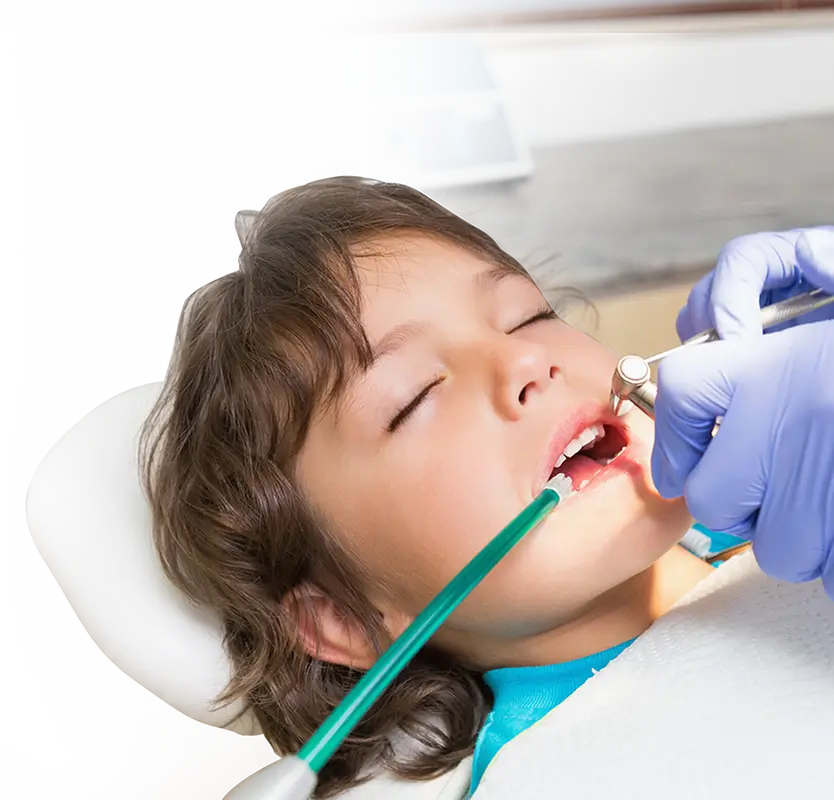
Kids Dental Injury Treatment Service
Why Prompt Care Matters
When dental injuries occur, timely evaluation can make a significant difference.
Early assessment allows pediatric dental specialists to identify hidden damage, develop an appropriate treatment plan, and monitor healing over time. It also provides parents with reassurance and guidance during what can be a stressful experience.
At Evergreen Pediatric & Airway Dentistry, Dr. Susan Kim understands that dental emergencies often happen when families least expect them. Her compassionate, child-focused approach helps children feel comfortable while ensuring they receive the care they need after an injury.
Helping Children Recover with Confidence
Dental accidents are an unfortunate but common part of childhood. Whether a child chips a tooth, experiences a fall on the playground, or suffers an injury during sports, knowing how to respond can help parents protect their child’s smile and overall well-being.
At Evergreen Pediatric & Airway Dentistry, families have access to comprehensive pediatric dental care that supports both preventive oral health and emergency treatment when accidents occur. Through prompt evaluation, personalized care, and ongoing monitoring, Dr. Susan Kim and her team help children recover confidently while protecting the healthy smiles they are developing.
While no parent wants to face a dental emergency, understanding the most common childhood dental injuries and seeking timely professional care can make all the difference in helping children heal and continue smiling with confidence.
Evergreen Pediatric Dentistry
https://www.google.com/maps?cid=14720788683151219551
12910 Totem Lake Blvd NE #103, Kirkland, WA 98034, United States
(425) 814-3196
https://evergreenkidsdentist.com/