
Snoring, Mouth Breathing, and Restless Sleep: What They Reveal About Your Child’s Health
Watching a child sleep is often a peaceful moment for parents, but not all bedtimes are calm. Snoring, mouth breathing, or restless nights can signal deeper issues. Sleep is critical for childhood development, supporting brain function, growth, and emotional regulation. Disrupted sleep can lead to behavioral, learning, and health challenges.
At Evergreen Pediatric Dentistry, we help parents recognize how sleep issues often connect to oral health and airway function. This guide explores common sleep problems, their causes, and how child’s dental care can support healthier, restorative sleep for your child.
Understanding Normal Sleep Patterns in Children
Before identifying what is “wrong,” it is helpful to understand what “normal” looks like. Sleep needs change rapidly as a child grows, and what is typical for a toddler is very different from what is expected for a ten-year-old.
Sleep Duration by Age
According to pediatric sleep guidelines, the amount of sleep a child needs evolves as they develop:
- Toddlers (1-2 years): Typically need 11-14 hours of sleep per 24-hour period, including naps.
- Preschoolers (3-5 years): Require 10-13 hours, with naps gradually phasing out.
- School-age Children (6-13 years): Need 9-11 hours of uninterrupted sleep.
Sleep Cycles
Children’s sleep cycles alternate between REM and Non-REM stages. Non-REM sleep supports growth, tissue repair, and development, while REM sleep aids memory and dreaming. Healthy sleep involves smooth transitions between these stages, with quiet nasal breathing and minimal movement. Disruptions, such as breathing issues, can prevent deep sleep, often leading to noticeable daytime symptoms.

Kids Sleep Disordered Treatment
Snoring in Children: Noise or Nuisance?
Snoring is often treated as a joke in cartoons or a harmless annoyance in adults, but in children, it warrants closer attention. While an occasional snore caused by a stuffy nose from a cold or seasonal allergies is generally not a cause for alarm, habitual snoring is different.
Normal vs. Problematic Snoring
“Normal” snoring is infrequent, quiet, and rhythmic. It doesn’t disturb the child’s sleep quality or their bed partner (or parents in the next room).
“Problematic” snoring, often associated with Sleep Disordered Breathing (SDB) or Obstructive Sleep Apnea (OSA), tends to be:
- Loud and frequent: Occurring more than three nights a week.
- Interrupted: You may hear gasps, snorts, or pauses in breathing where the child seems to stop breathing for a few seconds before starting again with a noise.
- Labored: The child’s chest might heave, or they might sweat profusely while sleeping.
Potential Causes
The primary cause of snoring in children is an obstruction in the airway. When air cannot flow freely through the nose and throat, the soft tissues vibrate, creating the snoring sound. Common culprits include:
- Enlarged Tonsils and Adenoids: This is the most common cause of sleep apnea in children. These lymph nodes at the back of the throat can grow large enough to partially block the airway.
- Allergies and Congestion: Chronic inflammation can narrow the nasal passages.
- Anatomical Factors: A small jaw, a high arched palate, or a large tongue can reduce the amount of space available for air to pass through.
- Weight: In some cases, excess weight can put pressure on the airway, though this is less common in children than in adults.
Mouth Breathing: The Silent Red Flag
While mouth breathing might seem like a minor habit, humans are biologically designed to breathe through the nose. Nasal breathing filters and warms the air while producing nitric oxide, which is essential for oxygen absorption.
Identifying Mouth Breathing
Mouth breathing can happen day or night. Look for these signs:
- Sleeping with an open mouth or finding drool on the pillow.
- Sitting with lips parted while focused or watching TV.
Long-term Health and Development Risks
Chronic mouth breathing can significantly impact a child’s health and physical development:
- Dental Issues: A dry mouth lacks the saliva needed to prevent cavities and gum disease.
- Facial Structure: Without the tongue resting against the roof of the mouth, children can develop a narrow upper jaw, crowded teeth, and a “long” face appearance.
- Fatigue: Mouth breathing is less efficient, leading to lower blood oxygen levels and poor concentration.
Restless Sleep: A Sign of Airway Struggle
If your child’s bed is a mess of tangled sheets every morning, they may be experiencing restless sleep. Excessive thrashing is often the body’s way of trying to open a restricted airway.
Key indicators include:
- Unusual Positions: Sleeping with the head tilted far back or sitting up to breathe.
- Frequent Interruptions: Waking often or experiencing sleepwalking and night terrors.
- Bedwetting: Frequent accidents in older children can be linked to sleep apnea, as interrupted sleep disrupts the hormones that regulate urine production.
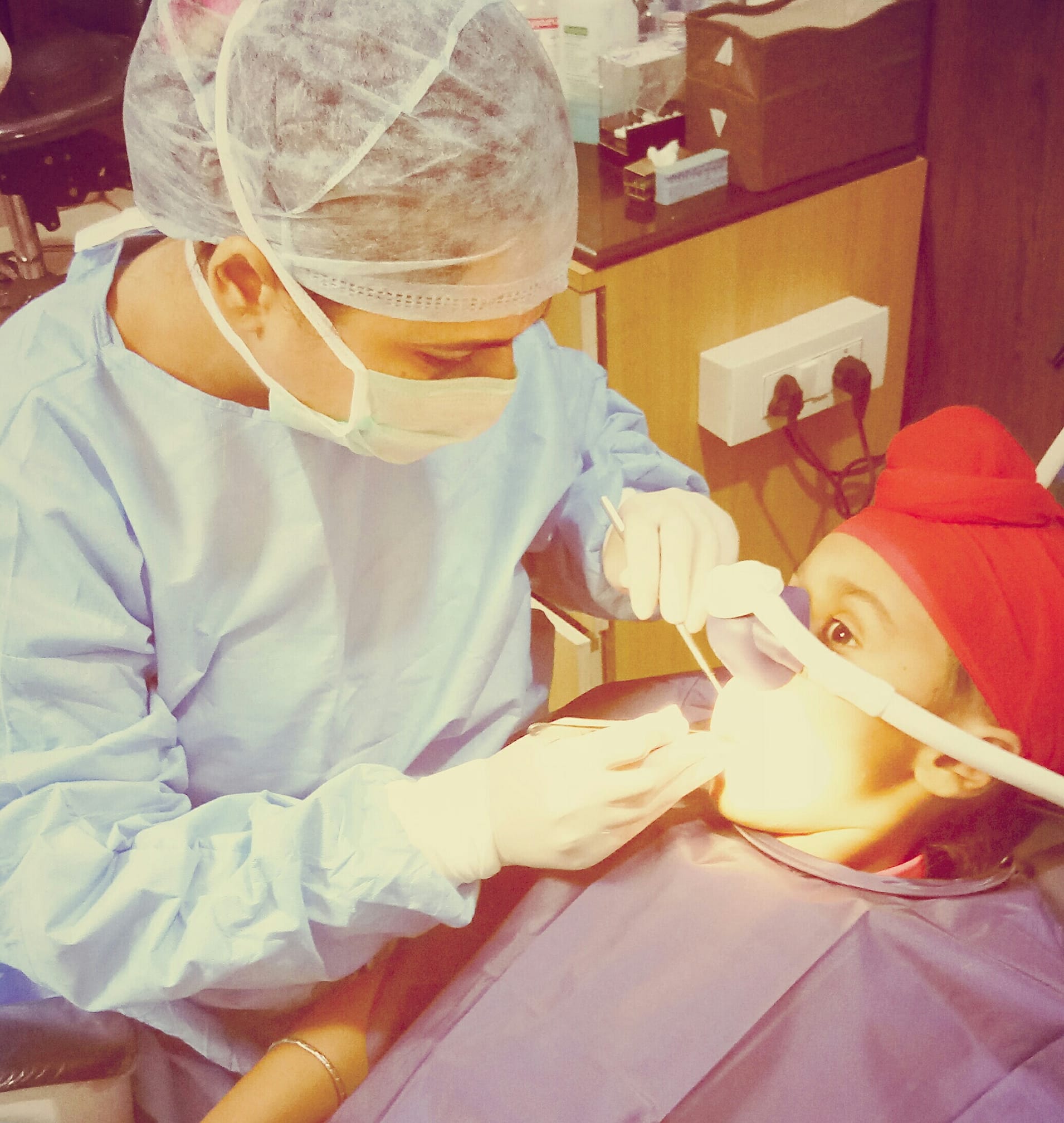
Sleep Disordered Breathing Treatment Specialist
The Connection Between Sleep Issues and Overall Health
The consequences of poor sleep in childhood are rarely confined to the bedroom. A child who isn’t sleeping well isn’t living well. The connection between sleep quality and overall health is profound.
Cognitive and Behavioral Impact
A tired adult might be lethargic and reach for coffee. A tired child, however, often becomes hyperactive. Sleep deprivation in children mimics the symptoms of ADHD (Attention Deficit Hyperactivity Disorder). Children with untreated sleep issues may struggle with:
- Impulse control: Acting out or having frequent tantrums.
- Focus: Difficulty paying attention in school.
- Emotional regulation: Being easily frustrated or “moody.”
- Memory: Trouble retaining new information.
Studies have shown that treating sleep disorders can lead to significant improvements in behavior and academic performance, sometimes eliminating the need for ADHD medication in misdiagnosed cases.
Physical Growth
Growth hormone is primarily secreted during deep sleep. Chronic interruption of this sleep phase can, in severe cases, impact a child’s physical growth and immune system function, making them more susceptible to illness.
The Role of Pediatric Dentistry
You might wonder why a dentist is talking about sleep. The mouth is the gateway to the airway. Pediatric dentists are often the first healthcare providers to spot the signs of sleep issues because they look into children’s mouths every six months. At Evergreen Pediatric Dentistry, we look past the teeth to examine the tonsils, the shape of the palate, and the position of the tongue, all of which are critical components of airway health.
Diagnosing Sleep-Related Issues
If you suspect your child is struggling with sleep, getting a proper diagnosis is key. At Evergreen Pediatric Dentistry, we view the dental exam as a holistic health check.
The Evaluation Process
During a visit, we don’t just count teeth. We perform an airway assessment. We look for:
- Tonsil Size: Are they “kissing” or touching in the middle?
- Palate Shape: Is the roof of the mouth high and narrow?
- Tongue Tie: Is the movement of the tongue restricted?
- Wear on Teeth: Grinding teeth (bruxism) is a common sign of sleep apnea, as moving the jaw forward can be the body’s attempt to reopen a collapsing airway.
Diagnostic Tools
While we can identify the physical risk factors, a definitive diagnosis of sleep apnea usually requires a sleep study (polysomnography). We work closely with pediatricians and sleep specialists. We may recommend a referral to an Ear, Nose, and Throat (ENT) specialist or a sleep physician who can monitor your child’s brain waves, oxygen levels, and breathing patterns overnight to confirm the diagnosis.
Treatment Options
The good news is that most childhood sleep issues are treatable. The approach depends entirely on the cause.
Medical Interventions
If enlarged tonsils and adenoids are blocking the airway, removing them (adenotonsillectomy) is often the first line of treatment and can be curative for many children. For issues related to allergies, managing the environment and using medication to reduce inflammation can help restore nasal breathing.
Dental and Orthodontic Solutions
At Evergreen Pediatric Dentistry, we offer treatments that address the structural causes of sleep issues:
- Palatal Expansion: If a child has a narrow upper jaw, a rapid palatal expander can widen the jaw. This not only creates room for adult teeth but also widens the floor of the nose, improving airflow and making nasal breathing easier.
- Oral Appliances: Specialized mouthguards can help position the jaw in a way that keeps the airway open during sleep.
- Myofunctional Therapy: This is like physical therapy for the mouth. It involves exercises to strengthen the tongue and throat muscles, teaching the child how to rest their tongue on the roof of the mouth and breathe through their nose.

Children Sleep Apnea Issue Treatment
When to Seek Professional Help
Parents possess a strong intuition when something isn’t right with their child. You should trust that instinct. It is time to consult a professional if you notice:
- Your child snores loudly on a regular basis.
- You hear pauses in breathing or gasping noises at night.
- Your child is consistently breathing through their mouth, day or night.
- Your child wets the bed frequently after being potty trained.
- Your child seems excessively sleepy during the day or exhibits hyperactive behavior that interferes with school or family life.
- You notice your child grinding their teeth heavily.
A conversation with your pediatrician or a visit to Evergreen Pediatric Dentistry can start the process of finding answers.
Conclusion
Sleep is not just a period of inactivity; it is a critical biological process that fuels your child’s growth, learning, and happiness. Snoring, mouth breathing, and restless sleep are not merely annoying habits—they are the body’s way of signaling that something is interfering with that vital process. By paying attention to these signs, parents can catch potential health issues early, preventing long-term impacts on facial development and cognitive function.
At Evergreen Pediatric Dentistry, we are committed to the total health of your child, from their smile to their sleep. We believe that every child deserves to wake up rested and ready to take on the world. If you are concerned about your child’s sleep habits or airway health, we are here to help guide you toward the right solution.
Evergreen Pediatric & Airway Dentistry
Dr. Susan Kim
12910 Totem Lake Blvd NE #103
Kirkland, WA 98034
(425) 814-3196
Get Directions on Google Maps
evergreenkidsdentist.com