Pediatric sleep apnea shows up as behavior problems, school struggles, and constant irritability rather than obvious tiredness. Watch for loud snoring, unusual sleep positions, mouth breathing, hyperactivity, concentration issues, and morning headaches. Dr. Susan Kim has spent over 20 years helping Kirkland families identify these hidden symptoms and address breathing problems before they impact growth, learning, and development.
Is your child cranky all the time? Do they struggle to focus at school? These might not be behavior problems at all. Dr. Susan Kim at Evergreen Pediatric & Airway Dentistry in Kirkland sees children every week whose parents thought they had ADHD or discipline issues.
After earning her dental degree from Columbia University in 2000 and completing specialized pediatric training, Dr. Susan discovered that many childhood behavior problems actually start with breathing issues during sleep. Sleep apnea hides behind symptoms that look like something else entirely. A child might seem hyperactive when they’re actually exhausted. Understanding what to watch for helps you catch issues early.
What Sleep Apnea Really Looks Like at Night
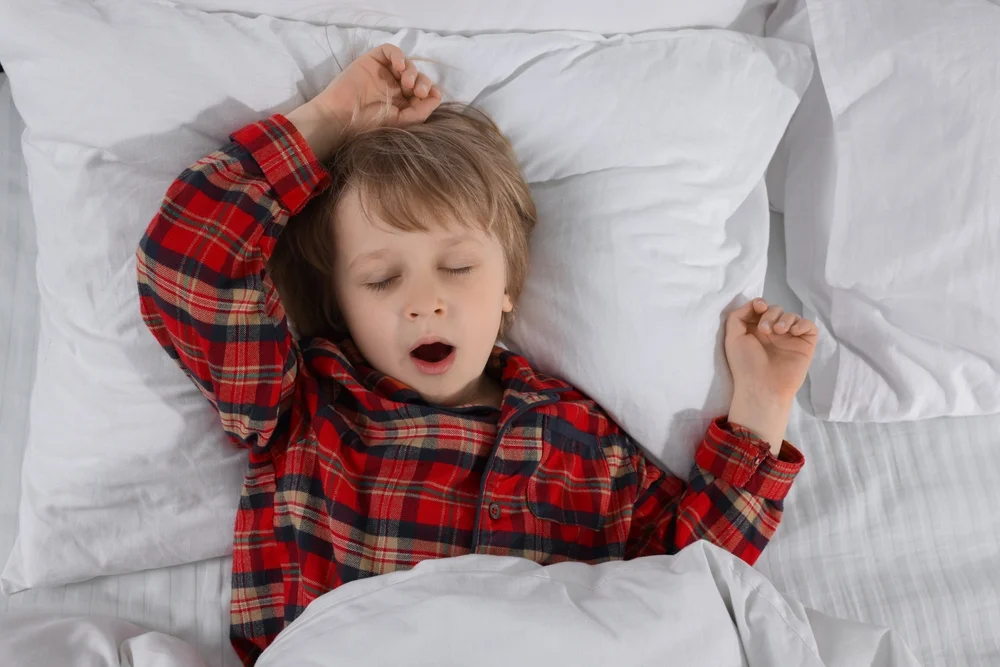
Nighttime symptoms show up first but they’re easy to dismiss as normal kid stuff. Your child’s body is trying to tell you something through these signs.
Unusual sleep positions can signal breathing problems. Some kids sleep with their necks stretched way back. Others curl up on all fours. These positions happen because your child instinctively tries to open their airway.
Gasping or choking sounds are obvious red flags. But not all breathing problems are loud. Some children have long pauses between breaths. You might notice their chest working hard to breathe.
Frequent night wakings disrupt the sleep cycle. Your child might not even remember waking up. But their brain wakes briefly each time breathing stops. Their body never gets the rest it needs for growth and development.
Daytime Behaviors That Point to Sleep Problems
Sleep apnea doesn’t stay in the bedroom. It follows your child through their whole day and affects everything they do.
Irritability and mood swings often come from exhausted brains. Your child might cry easily or get frustrated quickly. Small problems feel huge when you’re running on poor sleep. The real issue is that their brain chemistry is off from lack of quality rest.
Concentration problems show up at school and home. Your child sits down to do homework and can’t focus. They understand the material in class but forget it later. Teachers might suggest testing for learning disabilities when the root cause could be oxygen-deprived sleep affecting memory formation.
Here are the daytime warning signs Dr. Susan watches for:
- Excessive sleepiness during activities or at school
- Hyperactivity that looks similar to ADHD symptoms
- Difficulty waking up in the morning despite adequate sleep time
- Falling asleep quickly in cars or during quiet times
- Behavioral issues like aggression or defiance
- Academic struggles that seem out of character
- Social withdrawal or anxiety in previously outgoing children
Hyperactivity confuses many parents and teachers. Adults with sleep apnea feel tired and sluggish. Kids do the opposite by fighting exhaustion with more movement. This burst of energy is their body’s stress response to fatigue.
Physical Signs You Can Actually See
Some sleep apnea symptoms are visible during the day. Knowing what to look for helps you spot problems sooner.
Mouth breathing happens when nasal airways are blocked. You might notice your child always has their mouth open. Their lips stay parted even when they’re concentrating on something. This constant mouth breathing can change facial development over time.
Frequent sore throats or dry mouth upon waking signal airway issues. The throat gets irritated from snoring and struggling to breathe. Your child might complain about their throat hurting every morning. Or they wake up asking for water because their mouth feels like sandpaper.
Slower growth rates sometimes connect to sleep apnea. Growth hormone releases during deep sleep. When sleep apnea interrupts those deep sleep stages, growth can slow down. Your pediatrician might notice your child falling off their growth curve.
These physical signs often get overlooked as unrelated issues. Paying attention to these patterns helps catch sleep apnea early.
Who’s Most at Risk for Sleep Apnea
Sleep apnea doesn’t just affect overweight children. Kids of all sizes and ages can develop breathing problems during sleep.
| Risk Factor | Why It Matters | What to Watch For |
| Enlarged Tonsils/Adenoids | Block the airway physically | Frequent throat infections, loud snoring |
| Family History | Genetic predisposition to narrow airways | Ask about relatives with sleep apnea |
| Facial Structure | Jaw position affects airway size | Small chin, crowded teeth, narrow palate |
| Chronic Allergies | Causes nasal congestion and swelling | Year-round stuffiness, mouth breathing |
| Premature Birth | Underdeveloped airways and muscle tone | Any breathing concerns in former preemies |
Anatomical issues are common culprits. Enlarged tonsils and adenoids physically block the airway. Kids who get frequent strep throat or tonsillitis face higher risk. Dr. Susan evaluates tonsil size during routine dental exams at her Kirkland practice.
Family history plays a bigger role than most people realize. Narrow airways and certain facial structures run in families. If parents or siblings have sleep apnea, children carry increased risk. This genetic connection means screening becomes even more important.

Signs That Look Like Something Else Entirely
Sleep apnea is a master of disguise. It mimics other childhood conditions and leads to misdiagnosis.
The ADHD connection trips up many families. Difficulty concentrating, impulsive behavior, and hyperactivity are classic ADHD symptoms. They’re also classic sleep apnea symptoms in children. Some kids get diagnosed with ADHD and put on medication when they really need their airways evaluated.
Behavioral problems often mask underlying sleep issues. Your child becomes defiant or aggressive. They have meltdowns over small things. Everyone focuses on discipline and consequences. But the actual problem is a brain that’s been oxygen-deprived all night.
Academic struggles seem unrelated to sleep at first. Your bright child suddenly can’t keep up with reading. Math facts don’t stick. They score poorly on tests despite studying. The missing piece is often quality sleep that allows proper memory consolidation. Dr. Susan works with families to rule out breathing issues before accepting other diagnoses, though proper medical evaluation is always needed for accurate diagnosis.
Getting Your Child Diagnosed and Treated
Knowing the signs is just the first step. Taking action leads to real improvements in your child’s health and happiness.
Start by documenting what you observe. Keep notes about snoring patterns, sleep positions, and daytime behaviors. Video recordings of your child sleeping can be incredibly helpful. Dr. Susan asks parents to bring these observations to appointments.
A thorough exam checks for physical obstructions and airway development. Dr. Susan evaluates jaw position, tonsil size, and breathing patterns. She looks at dental development and palate shape. Sometimes issues are obvious during the exam while other times further testing is needed.
Sleep studies confirm sleep apnea diagnosis when symptoms suggest it. Your child spends the night at a sleep center with monitoring equipment. The study measures breathing patterns, oxygen levels, and sleep stages. This data shows exactly what happens during sleep.
Treatment options vary based on what’s causing the problem. Enlarged tonsils might need removal. Airway development issues respond well to programs like Vivos or HealthyStart that Dr. Susan offers. The right treatment depends on your child’s specific situation.
Taking Action During Critical Growth Years
Timing matters when addressing pediatric sleep apnea. Early intervention protects development during crucial years.
Ages three to seven represent a critical window for intervention. Facial bones are still growing and can be guided into better positions. Airways can be expanded more easily. Brain development happens rapidly during these years.
Watch for pattern consistency rather than isolated incidents. One bad night doesn’t mean sleep apnea. A pattern of symptoms over weeks or months warrants evaluation. Trust your parental instincts when something feels off.
Early treatment prevents problems from compounding over time. Untreated sleep apnea doesn’t stay the same and often worsens as children grow. Academic gaps widen and behavioral issues intensify. Catching and treating sleep apnea early stops these cascading effects before they start.
Why Kirkland Families Trust Dr. Susan
Recognizing hidden signs of sleep apnea empowers you to protect your child’s health. Knowledge turns vague concerns into specific action steps.
Dr. Susan Kim has dedicated her practice at Evergreen Pediatric & Airway Dentistry to helping Kirkland children breathe and sleep better. Her certifications in Vivos, HealthyStart, MyoMunchee, and MyoBrace give her multiple tools to address airway issues. She uses Light Scalpel CO2 laser technology for tongue and lip tie releases when needed across the greater Seattle area from Redmond to Bellevue.
Education forms the foundation of good care. Understanding what to watch for helps you spot problems early. This knowledge helps you advocate effectively for your child’s health. Taking the next step means scheduling an evaluation if you recognize these signs in your child. Call today to book your consultation for better sleep and a brighter future.
Evergreen Pediatric & Airway Dentistry
Dr. Susan Kim
12910 Totem Lake Blvd NE #103
Kirkland, WA 98034
(425) 814-3196
Get Directions on Google Maps
evergreenkidsdentist.com
Frequently Asked Questions
What are the subtle signs of sleep apnea in children?
Watch for frequent waking during the night and restless sleep patterns. Mouth breathing during the day is a big clue. Unusual sleep positions like sleeping on all fours or with the neck extended backward signal breathing struggles. Daytime signs include irritability, trouble focusing, and hyperactivity that masks exhaustion. These symptoms often get mistaken for normal kid behavior or other conditions.
Can pediatric sleep apnea affect a child’s behavior?
Sleep apnea dramatically impacts behavior because the brain isn’t getting quality rest. You might see increased irritability or emotional outbursts. School performance often drops as concentration becomes difficult. Some children become hyperactive as their bodies fight fatigue. Others withdraw socially or develop anxiety. These behavioral changes stem directly from disrupted sleep and oxygen deprivation during the night.
How is pediatric sleep apnea diagnosed and treated?
Diagnosis starts with your observations about sleep and behavior patterns. Dr. Susan performs a comprehensive airway evaluation during your appointment. A sleep study might be recommended to confirm diagnosis and measure severity. Treatment depends on the underlying cause and can include airway expansion therapy, tonsil removal, or oral appliances. Programs like HealthyStart and MyoBrace work well for many children by addressing developmental issues naturally.