
How Restorative Dentistry Keeps Kids’ Smiles Strong and Healthy
Hearing that your child has a cavity or a chipped tooth can be a stressful moment for any parent. You might feel a mix of guilt, worry, and confusion. You brush their teeth, you limit the candy, and yet, dental issues can still sneak up on you. It is a situation that leaves many parents wondering what the next steps are and how involved the treatment needs to be.
This is where restorative dentistry comes into play. While the term might sound clinical or complex, it is simply the branch of dentistry focused on repairing damaged teeth and restoring their function and appearance. For children, this is about much more than just a cosmetic fix. It is about eliminating pain, ensuring proper development, and helping them smile with confidence.
At Evergreen Pediatric Dentistry, the goal is always to make these necessary repairs as comfortable and positive as possible. Understanding what restorative dentistry entails can help alleviate parental anxiety and prepare you to make the best health decisions for your child. By repairing damage early, we set the foundation for a lifetime of excellent oral health.
The “Baby Teeth” Myth: Why Healthy Primary Teeth Matter
One of the most common questions pediatric dentists hear is, “Since baby teeth fall out anyway, do we really need to fix them?” It is a valid question, but the answer is a resounding yes. Primary teeth, also known as baby teeth, play several critical roles in a child’s overall development that go far beyond just looking cute in photos.
Catalysts for Nutrition and Digestion
First and foremost, teeth are tools for eating. Painful, decayed, or broken teeth can make chewing difficult. When chewing becomes painful, children often shift their diet to softer, highly processed foods, avoiding crunchy fruits, vegetables, and proteins that are essential for their growth. Restoring these teeth ensures your child can chew properly, digest food efficiently, and maintain a balanced diet.
Speech Development
Teeth are vital for speech articulation. The tongue strikes the back of the upper teeth to form sounds like t, d, l, and s. If front teeth are lost prematurely due to decay or trauma, or if they are severely damaged, it can impede a child’s ability to learn these sounds correctly. This can lead to speech impediments that may require therapy later in life.
Placeholders for Adult Teeth
Perhaps the most critical biological function of baby teeth is to act as guides for permanent teeth. Each primary tooth holds a specific space in the jaw. If a baby tooth is lost too early due to severe decay, the surrounding teeth can drift into the empty space. This blocks the permanent tooth underneath from erupting properly, leading to severe crowding and the need for extensive orthodontic treatment in the teen years. Restorative dentistry helps keep these placeholders intact until they are ready to fall out naturally.
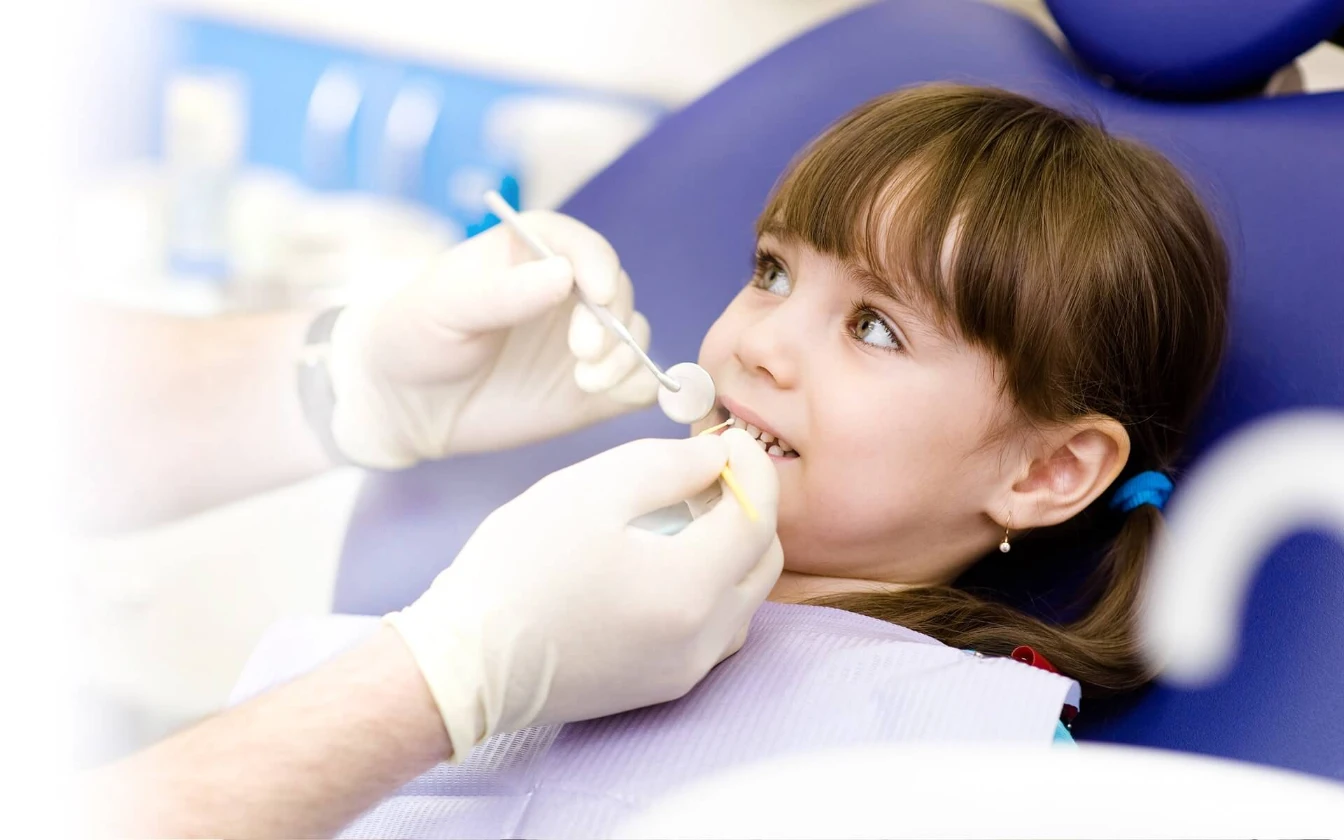
Restorative Dental Treatment
Common Dental Issues Requiring Restoration
Children are active, and their dietary habits are still forming, making them susceptible to a specific set of dental challenges. Identifying these issues early is the first step toward effective treatment.
Early Childhood Caries (Cavities)
Tooth decay is the most common chronic disease in children—more common than asthma or hay fever. It occurs when bacteria in the mouth feast on sugars from food and drink, producing acid that erodes the tooth enamel. Once a hole, or cavity, forms, the tooth cannot heal itself. Without intervention, the decay will spread deeper into the tooth, eventually reaching the nerve and causing infection.
Dental Trauma
Kids will be kids. Whether it is learning to walk, riding a bike, or playing contact sports, accidents happen. Chips, fractures, and knocked-out teeth are frequent occurrences in pediatric dentistry. Trauma can affect the aesthetic of the smile, but it can also expose the sensitive inner layers of the tooth to bacteria.
Enamel Defects
Some children are born with developmental defects that affect their enamel, such as enamel hypoplasia. This condition results in thin or weak enamel that is highly susceptible to decay and sensitivity. These teeth often require restorative protection immediately after they erupt to prevent rapid deterioration.
Restorative Solutions at Evergreen Pediatric Dentistry
Every child’s mouth is different, and the severity of dental issues varies. That is why Evergreen Pediatric Dentistry offers a comprehensive range of restorative treatments tailored to the specific needs of growing smiles. The focus is always on preserving as much natural tooth structure as possible while ensuring durability.
Composite Fillings (Tooth-Colored Fillings)
Gone are the days when silver amalgam was the only option for filling cavities. For small to medium-sized cavities, composite resin fillings are the standard of care. These are made from a mixture of plastic and glass that matches the natural color of the tooth.
The process is straightforward: the decay is gently removed, and the composite material is bonded directly to the tooth. Because the material bonds to the tooth structure, it provides excellent support and prevents the tooth from breaking. Plus, it is virtually invisible, so your child can smile without feeling self-conscious about “metal spots” in their mouth.
Pediatric Crowns
Sometimes, a cavity is too large for a simple filling. If a tooth has extensive decay or has been weakened significantly by trauma, a filling may not provide enough structural support. In these cases, a pediatric crown is the best solution. A crown fits over the entire visible part of the tooth, acting like a helmet to protect it from further damage.
- Stainless Steel Crowns: These are often used for back molars where chewing force is heaviest. They are incredibly durable, long-lasting, and protect the tooth until it falls out naturally.
- Zirconia Crowns: For parents concerned about aesthetics, or for front teeth, white zirconia crowns are a fantastic option. They are made from a super-strong ceramic material that looks just like a natural tooth.
Nerve Treatments (Pulpotomy)
If a cavity is left untreated for too long, the decay can travel through the enamel and dentin, reaching the pulp (the nerve and blood supply) in the center of the tooth. This often causes toothaches or sensitivity to hot and cold.
To save the tooth and avoid extraction, a pulpotomy is performed. Often referred to as a “baby root canal,” this procedure is actually much faster and simpler than an adult root canal. The dentist removes the infected part of the nerve, places a medicated dressing to heal the remaining nerve tissue, and then seals the tooth, usually with a crown. This resolves the pain instantly and allows the tooth to remain in the mouth.
Extractions and Space Maintainers
Despite the best efforts of the dental team, some teeth may be too damaged to be saved. In cases of severe infection or abscess, extracting the tooth is the safest option to protect the child’s overall health and the developing permanent tooth underneath.
However, as mentioned earlier, removing a tooth creates a gap. To prevent shifting, Evergreen Pediatric Dentistry may place a space maintainer. This is a small, custom-made metal appliance that stays in the mouth to hold the space open until the permanent tooth is ready to erupt. It is a passive device, meaning it doesn’t move teeth like braces do; it simply holds the line.
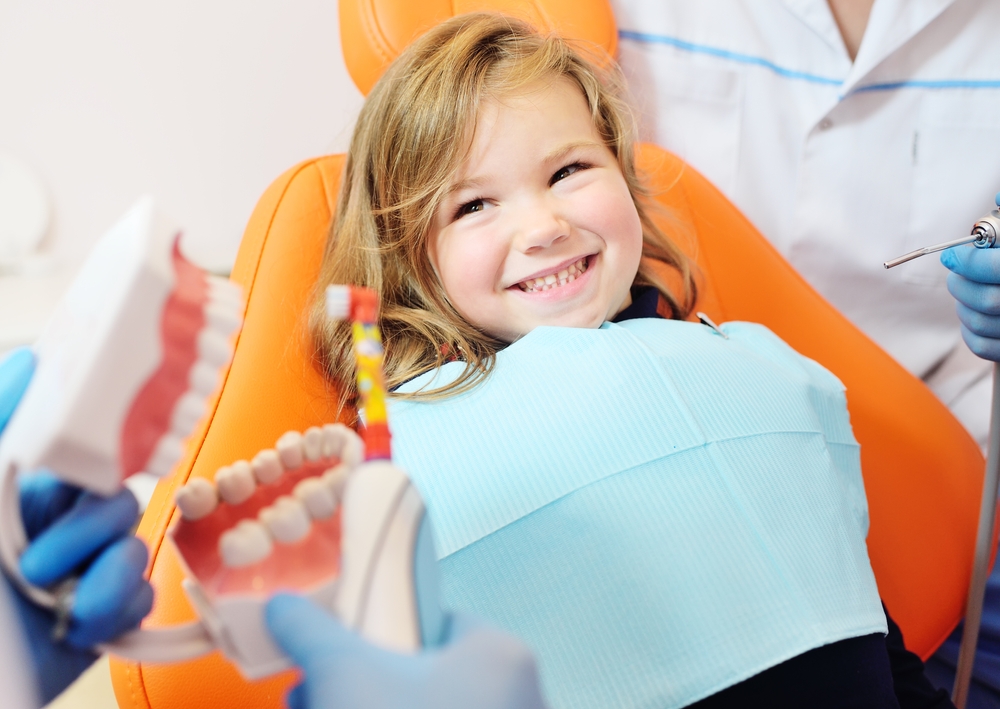
Restorative Dental Care
The Benefits of Early Intervention
Waiting to treat dental issues is rarely a good strategy. Decay does not pause; it progresses. Addressing problems immediately through restorative dentistry offers significant advantages for both the child and the parent.
Immediate Pain Relief
The most obvious benefit is the alleviation of pain. A child with a toothache may have trouble sleeping, paying attention in school, or participating in play. Restoring the tooth eliminates the source of the pain, allowing the child to return to their normal, happy self.
Preventing the Spread of Infection
An untreated cavity is an active infection. If ignored, the bacteria can spread to the surrounding tissues, leading to a dental abscess. This can cause facial swelling and fever, and in rare cases, the infection can spread to other parts of the body. Restorative treatment stops the infection at the source.
Psychological Well-being
Children are perceptive. If they have black spots on their teeth or a chipped front tooth, they may feel embarrassed to smile or speak up in class. Restoring the appearance of their teeth boosts their self-esteem. When a child feels good about their smile, it shows in their personality and social interactions.
Cost-Effectiveness
While parents might worry about the cost of a filling or crown, early restoration is almost always more cost-effective than delaying treatment. A small filling is less expensive than a crown. A crown is less expensive than an extraction followed by a space maintainer and potential future orthodontics. Proactive care is an investment in minimizing future expenses.
Maintaining Your Child’s Restored Smile
Once your child has undergone restorative dental treatment at Evergreen Pediatric Dentistry, the work isn’t quite finished. Maintenance is key to ensuring that fillings and crowns last and that new decay doesn’t form on other teeth.
Reinforcing the Hygiene Routine
Restored teeth still need to be brushed and flossed. In fact, plaque can accumulate around the edges of crowns and fillings just as easily as on natural teeth. Ensure your child is brushing twice a day for two minutes with fluoride toothpaste. If the child is under age 8, parents should still be helping or supervising to ensure they are reaching the gum line and the back molars. Flossing once a day is non-negotiable, especially for tight contacts between teeth where cavities love to start.
Dietary Adjustments
Diet plays a massive role in the longevity of dental restorations. Sticky, chewy foods like gummies, caramel, and taffy can pull at crowns or dislodge fillings. It is best to avoid these treats. Furthermore, reducing the frequency of snacking is just as important as what they are eating. Every time a child eats, the mouth becomes acidic. Constant grazing keeps the teeth in an “acid attack” mode, weakening enamel. Stick to set meal and snack times and encourage drinking water throughout the day to rinse away food particles.
Regular Checkups
Routine visits to Evergreen Pediatric Dentistry are essential. During these visits, the dentist checks the integrity of the restorations to ensure they are still functioning correctly. They also apply professional fluoride treatments and dental sealants to protect the remaining tooth surfaces from decay. These preventative appointments are the safety net that catches small issues before they require further restorative work.

Restorative Dental Care Specialist
Partner with Evergreen Pediatric Dentistry for a Lifetime of Smiles
Restorative dental care is a powerful tool that combines science, art, and compassion to protect your child’s oral health. It is about more than fixing a hole in a tooth; it is about preserving the integrity of your child’s smile, ensuring they can eat and speak properly, and protecting their self-esteem.
Parents should never feel ashamed if their child needs dental work. Cavities are common, and genetics, diet, and hygiene all play a role. The most responsible thing you can do is address the issue promptly with a team you trust.
Evergreen Pediatric Dentistry specializes in making these experiences positive. By using child-friendly terminology, gentle techniques, and a warm environment, they take the fear out of fixing teeth. Whether your child needs a small filling or a protective crown, knowing the “why” and “how” behind the procedure can give you peace of mind. Prioritize those primary teeth today—they are the foundation for the healthy, adult smile of tomorrow.
Evergreen Pediatric & Airway Dentistry
Dr. Susan Kim
12910 Totem Lake Blvd NE #103
Kirkland, WA 98034
(425) 814-3196
Get Directions on Google Maps
evergreenkidsdentist.com