

Does Your Child Need a Night Guard? Signs of Grinding and Jaw Strain
When your child is struggling with nighttime teeth grinding, it affects the whole family. Hearing those harsh sounds coming from their bedroom brings up so many worries about their comfort and oral health. It is completely normal to feel concerned, and guidance is available to protect that growing smile.
Also known as bruxism, teeth grinding happens frequently in young children. Because it usually occurs during deep sleep, the habit often goes unnoticed until a routine dental visit reveals the wear and tear. A young child cannot easily explain what is happening while they sleep, which makes it challenging for parents to catch the signs right away.
Early awareness prevents long-term complications. By paying attention to subtle clues like jaw strain or morning discomfort, you can stop the damage before it affects their oral development. The ultimate goal is to help your child breathe better, sleep soundly, and smile with confidence.
Understanding Why Children Grind Their Teeth
The role of natural growth
As little bodies grow, the mouth goes through massive changes. The shifting of baby teeth and the arrival of permanent adult teeth can create an uneven bite, prompting the jaw to slide back and forth in an attempt to find a comfortable resting place. This natural adjustment period often causes temporary grinding that resolves once the new teeth fully settle into position.
Processing daily stress
Children experience big emotions that often translate into physical tension overnight. Changes in a daily routine, worries about a new school year, or even highly exciting life events can cause a child to unconsciously clench their jaw during sleep. This nighttime grinding serves as a physical release valve for the mental stress processed during the day.
Connecting allergies and earaches
When a child is dealing with physical discomfort like an ear infection or sinus pressure, they instinctually look for ways to find relief. The action of rubbing teeth together creates a subtle movement in the jaw joint that can help ease the pressure building up in the inner ear or nasal passages. Frequent grinding during allergy season is a strong indicator that congestion is causing nighttime discomfort.

Night Guard for Grinding Teeth
Listening to the Nighttime Sounds
Identifying the exact noise
Hearing strange noises from your child’s room can be unsettling. It helps to distinguish between normal sleep sounds and the harsh, repetitive squeaking of teeth rubbing together. While occasional lip smacking or sleep talking is harmless, a loud grinding noise indicates that the jaw muscles are forcefully sliding the upper and lower teeth against one another.
Tracking the frequency
Occasional grinding might not cause immediate alarm, but chronic clenching requires attention. Keeping a simple sleep log helps you notice if the grinding happens every night or only during certain times of the week. Documenting these patterns provides your pediatric dentist with valuable clues about the severity of the bruxism.
Observing sleep posture
A child’s body positioning during the night reveals a lot about their breathing and jaw habits. Checking your child’s sleeping position can reveal patterns related to their jaw clenching, especially if they constantly sleep with their neck arched backward. This posture often indicates an attempt to open up a restricted airway, which directly links to teeth grinding.
Spotting the Morning Warning Signs
Listening to complaints of jaw pain
Children rarely know how to describe muscle tension accurately. You must interpret subtle comments about a tired face or a tight feeling when they open their mouth for breakfast. If your child hesitates to take a big bite of toast or complains that their cheeks hurt, their jaw muscles likely spent the entire night clenched shut.
Noticing frequent morning headaches
Waking up in pain starts the day off on a difficult note for everyone. Waking up with dull pain around the temples or forehead often points directly to nighttime jaw strain rather than a standard headache. The temporal muscles connect the jaw to the sides of the head, and excessive grinding exhausts these muscles by morning.
Watching for chewing fatigue
Eating should be an easy, enjoyable part of the morning routine. Struggling to eat chewy foods early in the day indicates that the facial muscles worked too hard overnight and are now fatigued. If your child avoids bagels, apples, or meats at breakfast, pay attention to their jaw mobility. Schedule a dental evaluation if this chewing fatigue persists.
The Connection Between Grinding and Breathing
The struggle for clear air
Watching a child struggle to sleep peacefully is incredibly stressful for any parent. A simple look at airway health shows how the brain forces the jaw to thrust forward and grind when a child is trying to open a narrow airway. This forward movement acts as a survival mechanism to keep oxygen flowing when nasal passages are blocked or tonsils are enlarged.
The dangers of open-mouth breathing
Breathing optimally through the nose protects the entire respiratory system. Breathing through the mouth changes tongue posture and increases the likelihood of nighttime clenching because the jaw drops down and back. This altered posture narrows the airway further, triggering the brain to grind the teeth to reopen the breathing passage.
Supporting optimal oxygen flow
Every parent wants their child to wake up feeling fully rested and energized. Clearing airway obstructions helps the jaw relax, allowing your child to fall into a deep, restorative sleep. When oxygen flows freely through the nose, the brain stops sending panic signals to the jaw muscles, completely eliminating the need to grind.
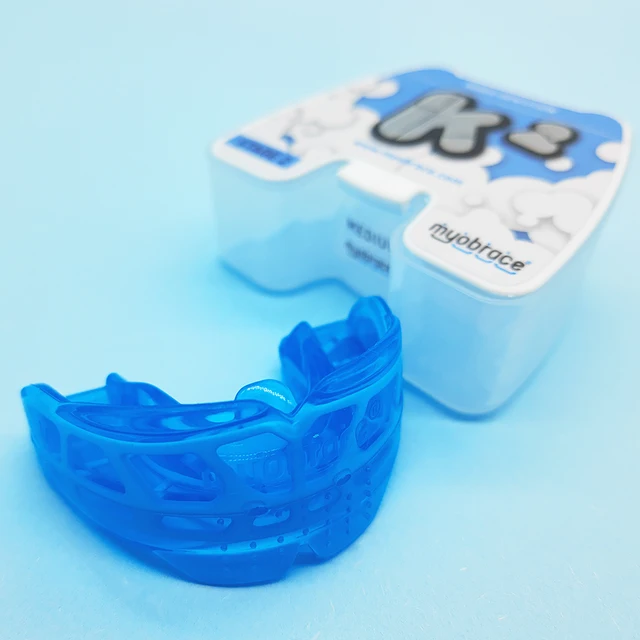
Teeth Grinding Night Guard
How Grinding Affects Growing Smiles
Wearing down protective enamel
Discovering damage to your child’s teeth brings up immediate concerns about their future oral health. Constant rubbing slowly flattens the chewing surfaces of the teeth and exposes sensitive inner layers of dentin. Once this protective enamel wears away, the teeth become highly susceptible to cavities and painful sensitivity to hot or cold foods.
Chipping and cracking risks
The sheer force generated by the jaw muscles during sleep is surprisingly powerful. Understanding how the intense pressure of clenching can cause tiny fractures in both baby and permanent teeth highlights the need for intervention. These micro-fractures weaken the overall structure of the tooth, leading to unexpected chips during normal daily eating.
Irritating delicate gums
Healthy gums provide the essential foundation for a lifetime of beautiful smiles. The constant force on the teeth can lead to inflamed, sensitive gums that make daily brushing uncomfortable for your little one. When the teeth absorb too much pressure, the surrounding gum tissue reacts by becoming red, swollen, and prone to bleeding.
Gentle Ways to Ease Jaw Strain at Home
Building a calming bedtime routine
A chaotic evening often translates into a restless night of sleep. Quiet reading, warm baths, and dim lighting help lower your child’s nervous system and reduce stress-induced grinding. Creating a peaceful transition between the busy day and bedtime allows the brain and the facial muscles to fully relax.
Applying warm compresses
Physical tension requires gentle, physical relief. Using a warm, damp cloth against the cheeks helps to soothe tight jaw muscles and promote physical relaxation before sleep. The gentle heat increases blood flow to the overworked facial muscles, easing the spasms that lead to nighttime clenching. Hold a warm washcloth over their jaw for five minutes every evening.
Encouraging gentle massage
Touch is a powerful tool for comfort and healing. Softly rubbing the temples and jawline before sleep releases built-up tension from the day. Using small, circular motions with your fingertips directly over the jaw joint helps the muscles unclench and prepares the mouth for a peaceful resting posture. Gently massage their cheeks as you read them a bedtime story.
When to Consider a Custom Night Guard
Evaluating the severity of wear
Knowing when to step in with professional dental tools can feel confusing. A pediatric dentist will look at the physical damage on the teeth to decide if a physical barrier is necessary for protection. If the enamel shows significant flattening or the child experiences chronic pain, a custom appliance provides an immediate cushion against the grinding forces. Book a consultation to have their enamel checked professionally.
Timing the appliance right
Children’s mouths grow and change rapidly, complicating the use of fitted appliances. Age and the mix of baby and adult teeth play a crucial role in fitting a night guard correctly. A guard that fits perfectly today might restrict natural jaw growth or block new teeth from erupting just a few months down the road.
Choosing safe, comfortable materials
Putting a foreign object in a child’s mouth requires absolute safety and comfort. Using soft, biocompatible guards ensures your child can sleep comfortably without exposure to harmful plastics or rigid materials. The ideal appliance absorbs the shock of grinding while feeling completely natural against the gums and tongue. Ask your dentist about flexible, toxin-free options for pediatric night guards.

Pediatric Teeth Grinding Treatment
How Evergreen Pediatric & Airway Dentistry Supports You
Our gentle evaluation process
When a child feels anxious about a dental visit, it brings stress to the entire family. Evergreen Pediatric & Airway Dentistry understands this worry, and the team is completely dedicated to providing comfort. The warm, kid-friendly staff keeps children calm while carefully checking for signs of enamel wear and jaw strain. Reach out to schedule a comfortable, stress-free screening today.
Looking beyond the mouth
A narrow view of dental care often misses the root causes of nighttime grinding. The clinic looks at the whole child, not just the teeth, so you can feel confident in the care provided. By evaluating sleep quality, breathing patterns, and oral function, the team can determine if a hidden airway issue is the true culprit behind the jaw clenching. Ask the dentist to assess your child’s airway health during their next visit.
Creating a tailored comfort plan
Finding out your child needs dental intervention can feel overwhelming at first. Rest assured that the focus remains on using conservative methods to protect the teeth and support the jaw without rushing into unnecessary treatments. A customized comfort plan might include a soft, biocompatible night guard designed specifically for your little one. Call the office to see how this gentle approach can protect that beautiful smile.
Supporting Healthier Sleep, Smiles, and Jaw Development
Watching your child struggle with poor sleep or dental pain is difficult, but finding a gentle solution brings lasting peace of mind. The key takeaway is that early recognition prevents long-term complications. By catching the subtle sounds of grinding and observing morning jaw strain, parents can stop enamel wear before it becomes a painful problem.
Routine pediatric dental care and parental awareness go hand in hand to protect growing smiles. When you understand the connection between breathing, stress, and jaw tension, you can take simple steps at home to encourage restorative sleep. Looking closely at the whole picture, not just the teeth, ensures your child grows up healthy and strong.
Do not ignore the warning signs of childhood bruxism. Seek professional guidance to address any ongoing jaw strain and protect those developing teeth. Call the clinic today to help your child breathe better, sleep soundly, and smile with confidence.
Evergreen Pediatric & Airway Dentistry
Dr. Susan Kim
12910 Totem Lake Blvd NE #103
Kirkland, WA 98034
(425) 814-3196
Get Directions on Google Maps
evergreenkidsdentist.com