

Choosing the Right Dentist for Your Child’s First Teeth Cleaning
The appearance of that first tiny tooth is a major milestone in your baby’s development. It changes everything from how they eat to how they smile, and it signals the start of a new parental responsibility: oral hygiene. While you might have mastered the art of gum-wiping with a washcloth, the idea of a professional dental visit can bring up a mix of emotions.
It is common for parents to feel anxious about this step. You might worry about how your child will react to a stranger looking in their mouth, or perhaps you are unsure if a dentist is even necessary at such a young age. However, establishing a “dental home” early is one of the most effective ways to ensure your child grows up with a healthy smile and a positive attitude toward dental care.
The American Academy of Pediatric Dentistry (AAPD) recommends that a child should see a dentist when their first tooth appears, or no later than their first birthday. This first visit is less about deep cleaning and more about prevention, education, and acclimation. Choosing the right dentist for child’s first dental cleaning is the critical variable in making this experience a success. The right environment can turn a potentially scary appointment into a fun, curiosity-filled adventure.
Why the “Dental Home” Concept Matters
Before jumping into how to choose a provider, it is helpful to understand why early visits are necessary. The concept of a “dental home” refers to the ongoing relationship between the dentist and the patient, inclusive of all aspects of oral health care delivered in a comprehensive, continuously accessible, coordinated, and family-centered way.
Establishing this home early allows the dentist to monitor growth and development. They can catch early signs of “baby bottle tooth decay,” discuss teething issues, and check for tongue-ties that might impact speech or feeding. Perhaps most importantly, it builds trust. A child who only sees the dentist when they are in pain or have a cavity will associate the office with trauma. A child who visits for routine, painless checkups from age one develops a relationship of safety and familiarity with their doctor.

Dentist for Your Child’s First Teeth Cleaning
Pediatric Dentist vs. General Dentist: Understanding the Difference
When you begin your search, the first decision you will face is choosing between a general family dentist and a board-certified pediatric dentist. While many general dentists are capable of treating children, there are significant differences in training and office environment.
Specialized Training
Pediatric dentists are the pediatricians of the dental world. After completing four years of dental school, they undergo an additional two to three years of rigorous residency training. This specialized education focuses entirely on treating children, from infancy through adolescence, as well as individuals with special dental health care needs.
They study child psychology, growth and development, and specific behavioral management techniques. This means they are expertly trained to calm an anxious toddler, manage a child who refuses to open their mouth, and spot developmental issues that a general dentist might miss.
The Office Environment
A general dentist’s office is designed for adults. The chairs are large, the tools are standard size, and the atmosphere is usually clinical and quiet. In contrast, a pediatric dental office is built from the ground up with kids in mind.
You will typically find smaller chairs that fit a child’s body, specialized equipment that is less intimidating, and an atmosphere that feels more like a play center than a medical clinic. Bright colors, toys in the waiting room, and televisions on the ceiling are standard features designed to distract and delight young patients.
Behavioral Management
Knowing how to fix a tooth is different from knowing how to fix a tooth on a moving, crying three-year-old. Pediatric dentists have a toolkit of behavioral techniques to guide a child through a procedure. They use “Tell-Show-Do” (telling the child what they are going to do, showing them on a model or finger, and then doing it) to demystify the process. They know how to phrase things positively to avoid triggering fear.
Key Qualifications to Look For
Once you have decided to look for a specialist, you need to narrow down your options. Not all pediatric practices are created equal. Here are the specific qualifications and attributes you should prioritize during your search.
Board Certification
Check if the dentist is a Diplomate of the American Board of Pediatric Dentistry (ABPD). This certification represents the highest possible standard of expertise. It means the dentist has voluntarily gone through rigorous exams and peer review to demonstrate their knowledge and clinical skills.
Experience with Special Needs
Even if your child does not have special needs, a dentist who is experienced in treating children with sensory processing disorders, autism, or physical disabilities often possesses a higher level of patience and adaptability. This flexibility is valuable for any child who might be feeling nervous or overwhelmed.
A Focus on Prevention
The best pediatric dentists are conservative in their treatment approach and aggressive in their prevention. Look for a practice that emphasizes education. They should be eager to teach you about diet, fluoride, and proper brushing techniques rather than just looking for cavities to fill.
The “Vibe” Check
Trust your gut feeling. When you call the office to ask questions, is the receptionist friendly and patient? If you visit the office, does it smell like a sterile hospital, or does it feel welcoming? The attitude of the staff is just as important as the credentials of the doctor. A grumpy hygienist can ruin the experience just as easily as a scary doctor.

Child’s First Teeth Cleaning
What to Expect During the First Teeth Cleaning
Removing the mystery of the appointment can help lower your stress levels. For children under the age of three, the first visit is rarely invasive. It is usually a “happy visit” designed to introduce the child to the sights, sounds, and smells of the office.
The Knee-to-Knee Exam
For infants and toddlers, you likely won’t be asked to sit in the dental chair while the child sits alone. Instead, dentists often use the “knee-to-knee” technique. You sit on a chair facing the dentist with your knees touching theirs. Your child sits on your lap, facing you, and then lays back so their head rests in the dentist’s lap.
This position allows the child to look at you for comfort while giving the dentist a clear view of the mouth. It is secure, safe, and allows you to hold your child’s hands.
The Cleaning
Don’t expect the heavy-duty scraping and polishing that you get at your own appointments. For a first visit, the “cleaning” might just be the dentist using a soft, damp toothbrush to wipe the teeth and gums. If the child is tolerant, they might use a rotary toothbrush with a mild, fun-flavored prophy paste to polish the teeth.
The Exam and Fluoride
The dentist will check for existing decay, look at the bite, and examine the gums and soft tissues. They will likely apply a fluoride varnish. This is painted onto the teeth quickly and helps strengthen the enamel against cavities.
Parent Education
A significant portion of this first visit is for you. The dentist will discuss:
- Teething milestones and how to manage discomfort.
- Non-nutritive sucking habits (pacifiers or thumb sucking).
- Diet and nutrition counseling (specifically regarding juice and bottles at night).
- Injury prevention.
Creating a Positive Dental Experience
You play a massive role in how your child perceives the dentist. Children are incredibly perceptive and can pick up on parental anxiety. If you are nervous, they will be too. Here is how you can set the stage for success before you even leave the house.
Watch Your Language
Avoid using words that have negative connotations. Do not promise that it “won’t hurt” or tell them they won’t get a “shot.” By saying these words, you introduce the possibility of pain where the child hadn’t considered it. Instead, use positive, neutral language. The dentist is going to “count their teeth” and “make them shiny.”
Roleplay at Home
Get a toothbrush and a stuffed animal and play dentist. Let your child be the dentist and count the stuffed animal’s teeth. Then, swap roles. This familiarizes them with the concept of having someone look in their mouth. There are also many excellent children’s books and show episodes (like Daniel Tiger or Peppa Pig) that depict the dentist as a friendly helper.
Timing is Everything
Schedule the appointment for a time when your child is typically well-rested and happy. Early morning appointments are often best for toddlers. Avoid scheduling during nap time or late in the afternoon when they might be cranky or hungry.
Bring Comfort Items
Allow your child to bring a favorite blanket or stuffed toy. Having a familiar object can provide a sense of security in a new environment.
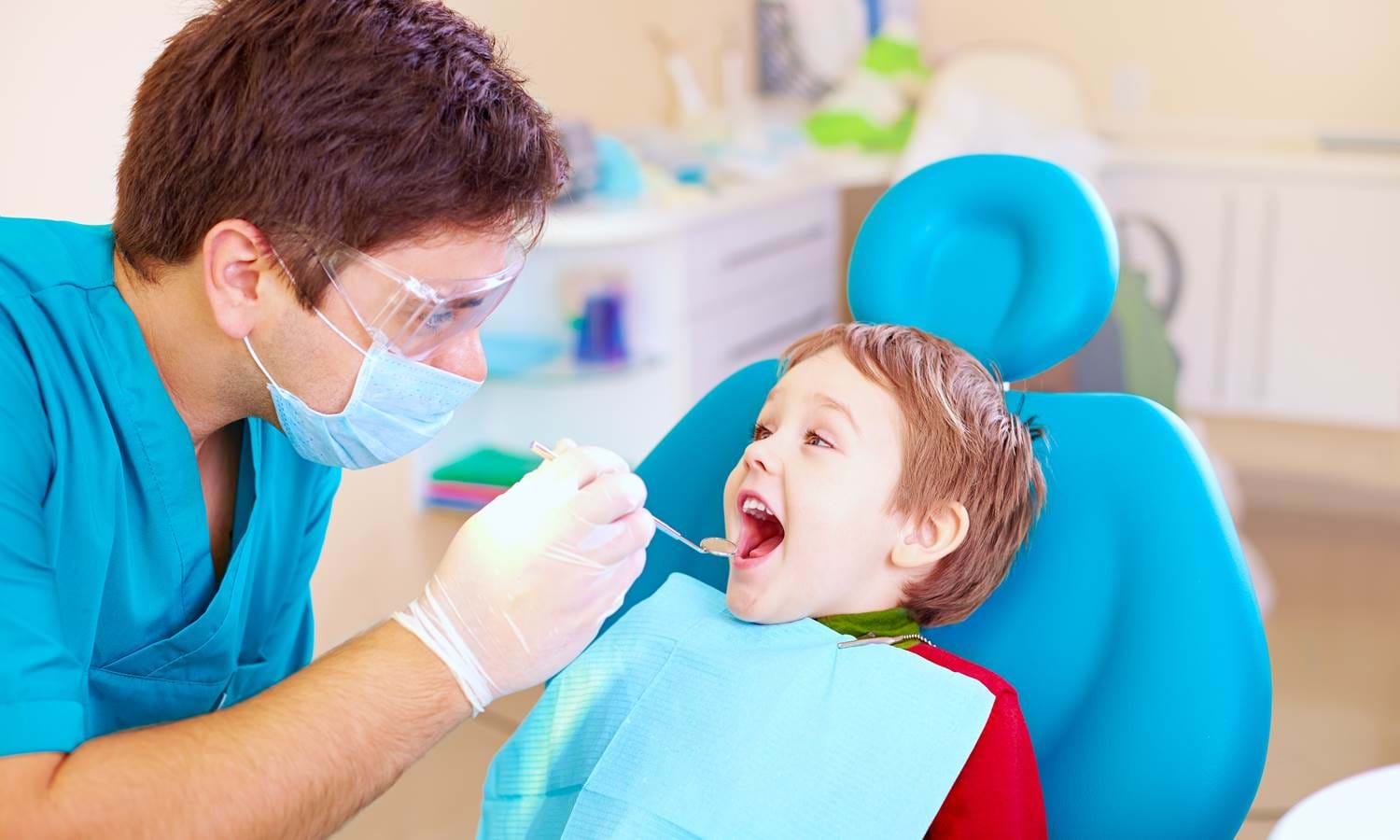
Child’s First Dental Cleaning
Why Evergreen Pediatric Dentistry is a Trusted Choice
If you are looking for a practice that embodies all these qualities—specialized training, a gentle approach, and a fun environment—Evergreen Pediatric Dentistry stands out as a premier option.
At Evergreen Pediatric Dentistry, the team understands that they aren’t just treating teeth; they are treating children. Their office is designed to reduce anxiety from the moment you walk through the door. They specialize in the knee-to-knee exam technique for toddlers, ensuring that you are close by to comfort your child throughout the process.
Their staff is trained to communicate with children in a way that builds confidence. They take the time to explain every tool and every step in kid-friendly terms, turning the exam into an interactive experience rather than a medical procedure. Furthermore, Evergreen Pediatric Dentistry places a heavy emphasis on parental partnership. They ensure you leave the office feeling empowered with the knowledge you need to protect your child’s oral health at home.
Whether it is their commitment to using the latest, safest technology or their ability to make a shy toddler smile, Evergreen Pediatric Dentistry checks every box for a parent seeking the best “dental home” for their little one.
Building a Lifetime of Healthy Smiles
Choosing the right dentist for your child’s first dental cleaning is an investment in their future. It is about more than just checking for cavities; it is about instilling a mindset that oral health is a priority and that the dentist is a friend.
By doing your research, asking the right questions, and preparing your child properly, you can turn a source of anxiety into a routine part of growing up. Whether you choose a highly-rated local specialist or a trusted clinic like Evergreen Pediatric Dentistry, taking this step early puts your child on the path to a lifetime of healthy, confident smiles.
Evergreen Pediatric & Airway Dentistry
Dr. Susan Kim
12910 Totem Lake Blvd NE #103
Kirkland, WA 98034
(425) 814-3196
Get Directions on Google Maps
evergreenkidsdentist.com