Child Sleep Apnea: How It Affects Growth, Behavior, and Learning
Millions of children are being treated for ADHD, behavioral problems, and learning disabilities, but the root cause might not be what you think. It could be hidden in their sleep. Parents often spend years navigating specialists, therapies, and medications to address their child’s struggles with focus, behavior, or academic performance. Meanwhile, a treatable breathing disorder may be silently undermining their child’s development every single night.
Child sleep apnea affects far more than just sleep quality. This condition creates a cascade of effects that can mimic ADHD symptoms, stunt physical growth, and create significant barriers to learning. Understanding these connections can be the key to unlocking your child’s full potential.
This comprehensive guide will help you recognize the signs of child sleep apnea and understand its profound impact on your child’s physical growth, daily behavior, and ability to learn. We’ll explore proven treatment pathways that can restore healthy sleep and transform your child’s wellbeing.
What is Pediatric Sleep Apnea? A Parent’s Guide
Defining the Condition
Pediatric obstructive sleep apnea (OSA) occurs when a child’s airway becomes partially or completely blocked during sleep, causing repeated breathing interruptions. These pauses can last from a few seconds to over a minute, forcing the brain to wake the child briefly to restore normal breathing. This cycle can repeat dozens or even hundreds of times per night.
Unlike adults who typically experience drowsiness from sleep apnea, children often display hyperactivity and behavioral issues that can be easily misinterpreted as other conditions.
The Root Causes
The most common cause of pediatric sleep apnea is enlarged tonsils and adenoids, which can obstruct the narrow airway passages in a child’s throat. Other contributing factors include:
- Obesity, which can create additional tissue that narrows the airway
- Craniofacial abnormalities that affect jaw and facial structure
- Neuromuscular disorders that weaken the muscles controlling breathing
- Family history of sleep-disordered breathing
Why It’s Different in Kids
Children’s airways are naturally smaller and more collapsible than adults’, making them more susceptible to obstruction. Additionally, children spend more time in deep sleep stages, which is when airway muscles are most relaxed and breathing interruptions are most likely to occur.
The symptoms also differ significantly. While adults typically feel tired and sleepy, children with sleep apnea often become hyperactive, aggressive, or emotionally volatile.
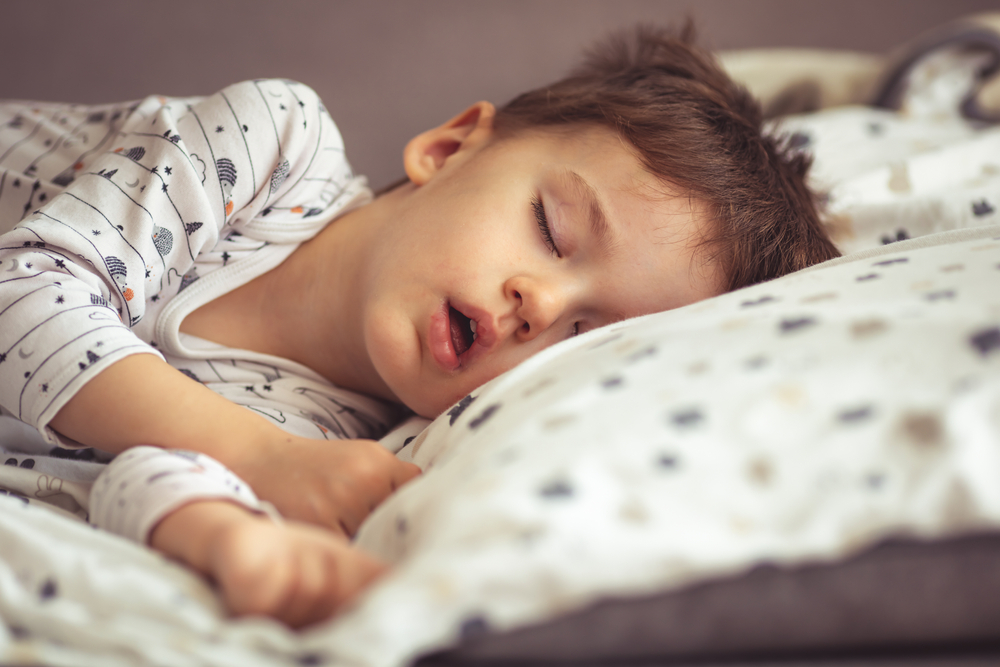
Children Sleep Apnea Issue
The Impact on Physical Growth and Development
Growth Hormone Disruption
Growth hormone is primarily released during the deepest stages of sleep, typically during the first few hours after falling asleep. When sleep apnea repeatedly fragments these crucial sleep cycles, children miss critical windows for growth hormone production.
This disruption can lead to slower linear growth, delayed puberty, and failure to reach genetic height potential. Some children show remarkable catch-up growth once their sleep apnea is successfully treated.
Failure to Thrive
Children with sleep apnea often struggle with weight gain despite normal appetite. The increased effort required for breathing during sleep burns additional calories, while poor sleep quality can disrupt hormones that regulate hunger and metabolism.
Infants and toddlers may show particular difficulty with feeding, as the same anatomical issues causing sleep apnea can make coordinated sucking, swallowing, and breathing challenging during meals.
Cardiovascular Strain
Repeated drops in oxygen levels and the constant stress of interrupted breathing place significant strain on a developing cardiovascular system. Children with untreated sleep apnea may develop elevated blood pressure, changes in heart rhythm, or other cardiovascular complications that can have long-lasting health implications.
The Behavioral Masquerade: Sleep Apnea vs. ADHD
Hyperactivity and Impulsivity
Sleep-deprived children exhibit a paradoxical response compared to adults. Instead of becoming sluggish, they often become hyperactive, impulsive, and difficult to manage. This occurs because children’s developing brains respond to fatigue by releasing stress hormones like cortisol and adrenaline to stay alert.
Research shows that up to 25% of children diagnosed with ADHD may actually have underlying sleep-disordered breathing as the primary cause of their symptoms.
Emotional Dysregulation
Poor sleep quality severely impacts the prefrontal cortex, the brain region responsible for emotional regulation and impulse control. Children with sleep apnea often experience:
- Frequent mood swings and irritability
- Difficulty managing frustration or disappointment
- Increased anxiety or fearfulness
- Social difficulties due to unpredictable emotional responses
Attention and Focus Deficits
The repeated oxygen drops and sleep fragmentation associated with sleep apnea directly impair the brain’s executive functions. Children may struggle with sustained attention, working memory, and the ability to filter out distractions—symptoms that closely mirror those of ADHD.
The Unseen Barrier to Learning and Academic Success
Memory Consolidation Failure
During REM sleep, the brain processes and consolidates information learned during the day, transferring it from short-term to long-term memory. When sleep apnea disrupts these critical sleep stages, children cannot effectively retain new information, despite their best efforts during learning.
This creates a frustrating cycle where children work hard in school but struggle to demonstrate their knowledge on tests or apply previously learned concepts.
Problem-Solving and Cognitive Function
Sleep fragmentation impairs the brain’s ability to form new neural connections and engage in complex reasoning. Children may struggle with:
- Abstract thinking and concept formation
- Mathematical problem-solving
- Reading comprehension
- Creative thinking and imagination
Morning Brain Fog and School Performance
Children with sleep apnea often wake up feeling unrefreshed, even after spending adequate time in bed. This “brain fog” can persist well into the school day, causing them to miss important information during morning lessons and struggle with tasks that require mental clarity.
Teachers may notice these children seem inattentive or disengaged, particularly during early morning hours.
Children Sleep Apnea Issue Treatment
Recognizing the Nighttime and Daytime Symptoms
Nighttime Red Flags
Parents should watch for these sleep-related warning signs:
- Loud, persistent snoring (not just during illness)
- Gasping, choking, or snorting sounds during sleep
- Observable pauses in breathing
- Restless sleep with frequent position changes
- Heavy sweating during sleep
- Frequent nighttime awakenings
Daytime Warning Signs
Symptoms during waking hours include:
- Chronic mouth breathing
- Difficulty waking up despite adequate sleep time
- Morning headaches
- Nasal or congested-sounding voice
- Persistent tiredness or appearing “spacey”
- Dark circles under the eyes
Subtle Clues in Young Children
Younger children may exhibit less obvious signs:
- Secondary bedwetting (after being dry for months)
- Night terrors or frequent nightmares
- Sleeping in unusual positions (hyperextended neck, sitting up)
- Developmental delays in speech or motor skills
- Frequent respiratory infections
The Diagnostic Journey: How Sleep Apnea is Confirmed
The Role of Your Pediatrician
The diagnostic process typically begins with your child’s pediatrician, who will conduct a thorough history and physical examination. They’ll assess your child’s growth patterns, examine the throat and nasal passages, and evaluate overall development.
Your pediatrician may use screening questionnaires to assess sleep quality and daytime symptoms before determining if specialist referral is needed.
Consulting the Specialists
Depending on your child’s specific situation, you may be referred to:
- ENT (Ear, Nose, and Throat) specialists who can evaluate anatomical issues
- Sleep medicine physicians who specialize in diagnosing sleep disorders
- Airway-focused pediatric dentists who assess oral and facial development
The Polysomnogram (Sleep Study)
The gold standard for diagnosing sleep apnea is an overnight sleep study, where your child sleeps in a specialized facility while sensors monitor breathing patterns, oxygen levels, heart rhythm, and brain activity.
Many facilities now offer child-friendly environments with accommodations for parents to stay overnight, making the experience less intimidating for young patients.
Proven Treatment Pathways for Restored Health
First-Line Surgical Treatment
For children with enlarged tonsils and adenoids, adenotonsillectomy (removal of tonsils and adenoids) has a success rate of 70-90% in resolving sleep apnea. This outpatient procedure typically provides immediate improvement in breathing and sleep quality.
Recovery usually takes 1-2 weeks, with most children experiencing significant improvements in behavior, growth, and academic performance within months of surgery.
Non-Invasive Airway Support
Children who are not candidates for surgery or continue to have symptoms after surgery may benefit from CPAP (Continuous Positive Airway Pressure) therapy. Modern pediatric CPAP machines are smaller and quieter than adult versions, with child-friendly mask options.
While CPAP requires ongoing use and adjustment as children grow, it can be highly effective in maintaining open airways during sleep.
Developmental and Orthodontic Approaches
Airway-focused orthodontic treatment can address structural issues contributing to sleep apnea. Palatal expansion, for example, can widen the upper jaw to create more space for proper breathing and tongue positioning.
These treatments are most effective when started during periods of active growth and development.
Children Sleep Apnea Treatment
Evergreen Pediatric Dentistry: An Airway-Focused Partner in Your Child’s Health
When most parents think of a pediatric dentist, they picture cavity checks and cleanings. But at Evergreen Pediatric Dentistry, care goes far beyond teeth—they look at how your child breathes, grows, and sleeps. By focusing on the airway, Evergreen helps families uncover hidden causes of issues like sleep apnea, restless nights, and even behavioral struggles.
Early Screening and Identification
The signs of airway-related sleep issues aren’t always obvious. Evergreen’s team is trained to recognize subtle oral and facial patterns—like mouth breathing, tongue position, or a narrow palate—that may signal a child is at risk for sleep apnea. Catching these concerns early gives kids the best chance at healthy growth and restorative sleep.
Guidance on Facial and Jaw Development
A child’s airway is closely tied to how their jaws and face develop. Evergreen uses advanced diagnostic tools to evaluate growth patterns, ensuring children have the space they need for proper breathing. When intervention is necessary, their team provides gentle, effective guidance to support long-term health and balanced development.
Collaborative Care Network
Airway health isn’t something one provider can solve alone. That’s why Evergreen works closely with pediatricians, ENTs, and sleep specialists. This collaborative approach ensures that every child receives well-rounded, comprehensive care tailored to their unique needs.
Life After Treatment: The Positive Transformation
Improved Growth and Health
Following successful treatment, many children experience rapid catch-up growth as their bodies can finally utilize proper sleep for development. Parents often report improved appetite, better weight gain, and overall enhanced physical health.
Cardiovascular markers also typically improve, reducing long-term health risks associated with chronic oxygen deprivation.
Behavioral and Academic Turnaround
The behavioral improvements following sleep apnea treatment can be dramatic. Parents frequently report:
- Significant improvements in attention and focus
- Better emotional regulation and fewer mood swings
- Enhanced social interactions and friendships
- Marked improvement in school performance and grades
Long-Term Management and Monitoring
Children require ongoing monitoring as they grow to ensure that sleep-disordered breathing doesn’t recur. Regular follow-up appointments help track development and identify any need for additional intervention.
Some children may require multiple approaches or treatment adjustments as their facial structure and airways continue to develop.
Transforming Your Child’s Future Through Better Sleep
Child sleep apnea represents a hidden epidemic affecting millions of children worldwide. This treatable condition masquerades as behavioral disorders, learning disabilities, and growth problems, leading families down frustrating paths of ineffective treatments.
The most crucial takeaway is that many struggles labeled as ADHD, behavioral issues, or learning disabilities may actually be symptoms of disrupted sleep. When the root cause is addressed through proper diagnosis and treatment, children often experience transformative improvements in their growth, behavior, and academic success.
If your child exhibits signs of sleep-disordered breathing—whether nighttime symptoms like snoring and restless sleep, or daytime issues like hyperactivity and difficulty concentrating—don’t dismiss these as normal childhood phases. Schedule a comprehensive evaluation with your pediatrician to investigate the possibility of sleep apnea.
Early intervention can prevent years of unnecessary struggles and unlock your child’s full potential for healthy development, emotional wellbeing, and academic success. Your child’s future depends on the quality of their sleep today.
Evergreen Pediatric & Airway Dentistry
Dr. Susan Kim
12910 Totem Lake Blvd NE #103
Kirkland, WA 98034
(425) 814-3196
Get Directions on Google Maps
evergreenkidsdentist.com