

Best Kids Airway Dentist Near Me: What Sets a Specialist Apart
When your child struggles with sleep, shows signs of restless nights, or seems unusually tired during the day, you might not immediately think of visiting a dentist. However, the connection between oral health and breathing patterns runs deeper than many parents realize. A growing number of pediatric dental specialists now focus on airway health, recognizing that proper breathing and healthy development go hand in hand.
As awareness grows about sleep-disordered breathing in children, more parents are seeking dentists who understand this crucial connection. These specialized practitioners look beyond cavities and cleanings to evaluate how a child’s mouth, jaw, and airway work together to support overall health and development.
Understanding what sets kids airway dentist apart can help you make informed decisions about your child’s care. From recognizing early warning signs to providing comprehensive treatment approaches, these specialists offer a different perspective on children’s oral health that could make a significant difference in your child’s well-being.
What Is an Airway Dentist for Kids?
Beyond Teeth and Gums
An airway dentist takes a comprehensive approach to pediatric oral health, examining not just teeth and gums but how the entire oral and facial structure supports proper breathing. These specialists understand that the mouth serves as the gateway to the airway, and problems in oral development can directly impact a child’s ability to breathe well during sleep and throughout the day. This holistic perspective considers how jaw size, tongue position, and oral muscle function all contribute to airway health.
Recognizing Subtle Signs
Airway-focused dentists are trained to spot subtle indicators that parents and even general dentists might overlook. They recognize that chronic mouth breathing, frequent snoring, and certain patterns of facial growth can signal underlying airway restrictions that may affect a child’s development and quality of life.
These specialists understand that what might appear as behavioral issues—such as difficulty concentrating or hyperactivity—could actually stem from poor sleep quality caused by breathing difficulties.
How They Differ from General Dentists
While general pediatric dentists focus primarily on preventing and treating tooth decay and gum disease, airway specialists receive additional training in sleep medicine, facial growth patterns, and breathing disorders. They use advanced diagnostic tools and assessment techniques to evaluate airway function alongside traditional dental examinations. This specialized knowledge allows them to recognize when breathing problems might be contributing to dental issues, such as crowded teeth or abnormal bite patterns.
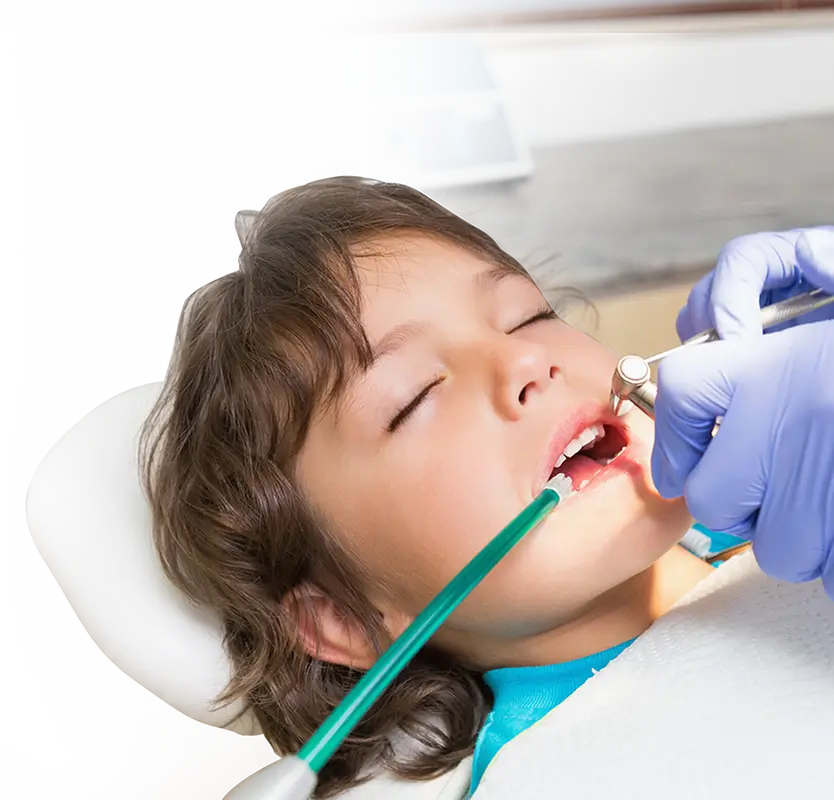
Pediatric Airway Dentistry
Early Warning Signs of Airway Issues Parents Might Miss
Nighttime Clues
Many parents assume that snoring is normal in children, but persistent snoring can indicate airway obstruction that disrupts quality sleep. Airway dentists recognize that even light snoring, when combined with restless sleep or frequent night wakings, may signal breathing difficulties that deserve attention. Children with airway issues might toss and turn throughout the night, sleep in unusual positions to open their airways, or wake up frequently without apparent cause.
Daytime Struggles
Poor sleep quality from breathing difficulties often manifests as daytime behavioral challenges. Children who don’t breathe well at night may struggle with attention, appear hyperactive, or seem unusually tired despite spending adequate time in bed.
Some children compensate for nighttime sleep disruption by appearing overly energetic during the day, making it difficult for parents to recognize that sleep quality might be the underlying issue.
Physical Indicators
Certain physical characteristics can indicate airway development issues. Children who consistently breathe through their mouths, have noticeably small jaws, or develop crowded teeth despite having adequate space may be showing signs of airway restrictions that affect facial growth patterns. An open-mouth posture at rest, dark circles under the eyes, or a long, narrow facial structure can all suggest that a child’s airway isn’t developing optimally.
Why Early Intervention Makes a Big Difference
Supporting Facial and Jaw Development
Children’s facial structures continue developing well into their teenage years, creating opportunities for positive intervention when airway issues are identified early. Airway dentists can guide jaw and facial growth during these critical development periods, helping create adequate space for proper breathing. Early intervention takes advantage of natural growth patterns to address airway restrictions before they become more complex problems requiring extensive treatment.
Better Sleep, Better Behavior
When children can breathe properly throughout the night, they experience better sleep quality that directly impacts their daytime functioning. Improved sleep leads to better concentration, more stable moods, and increased energy for learning and play. Parents often report significant improvements in their child’s behavior, academic performance, and overall well-being when underlying sleep and breathing issues are addressed.
Preventing Bigger Problems Later
Addressing airway issues early can prevent more complex problems from developing as children grow. When breathing problems contribute to abnormal facial growth or dental crowding, early intervention may reduce the need for extensive orthodontic treatment or surgical interventions later. Sleep-disordered breathing that goes untreated can contribute to more serious health issues over time, including cardiovascular problems and metabolic concerns.
The Specialized Tools of an Airway Dentist
3D Imaging and Diagnostics
Advanced imaging technology allows airway dentists to visualize three-dimensional airway structures in ways that traditional X-rays cannot provide. These detailed images help identify restrictions or developmental issues that might not be apparent during routine examinations. This sophisticated diagnostic approach provides precise information about airway dimensions, jaw positioning, and tongue space that guides treatment planning.
Growth and Development Assessments
Airway dentistry specialists use comprehensive assessments to evaluate how different oral and facial structures work together to support breathing. These evaluations consider jaw size and position, tongue function, and overall facial growth patterns to identify areas where development might be guided more optimally. This systematic approach helps identify subtle problems that might not cause obvious symptoms initially but could impact breathing and development over time.
Collaborative Screenings
Airway dentists understand the importance of working with other healthcare providers to address complex breathing and sleep issues comprehensively. They maintain relationships with ear, nose, and throat specialists, sleep medicine physicians, and other professionals who contribute to complete airway care. This collaborative approach ensures that children receive appropriate evaluation and treatment for all aspects of their breathing and sleep concerns.
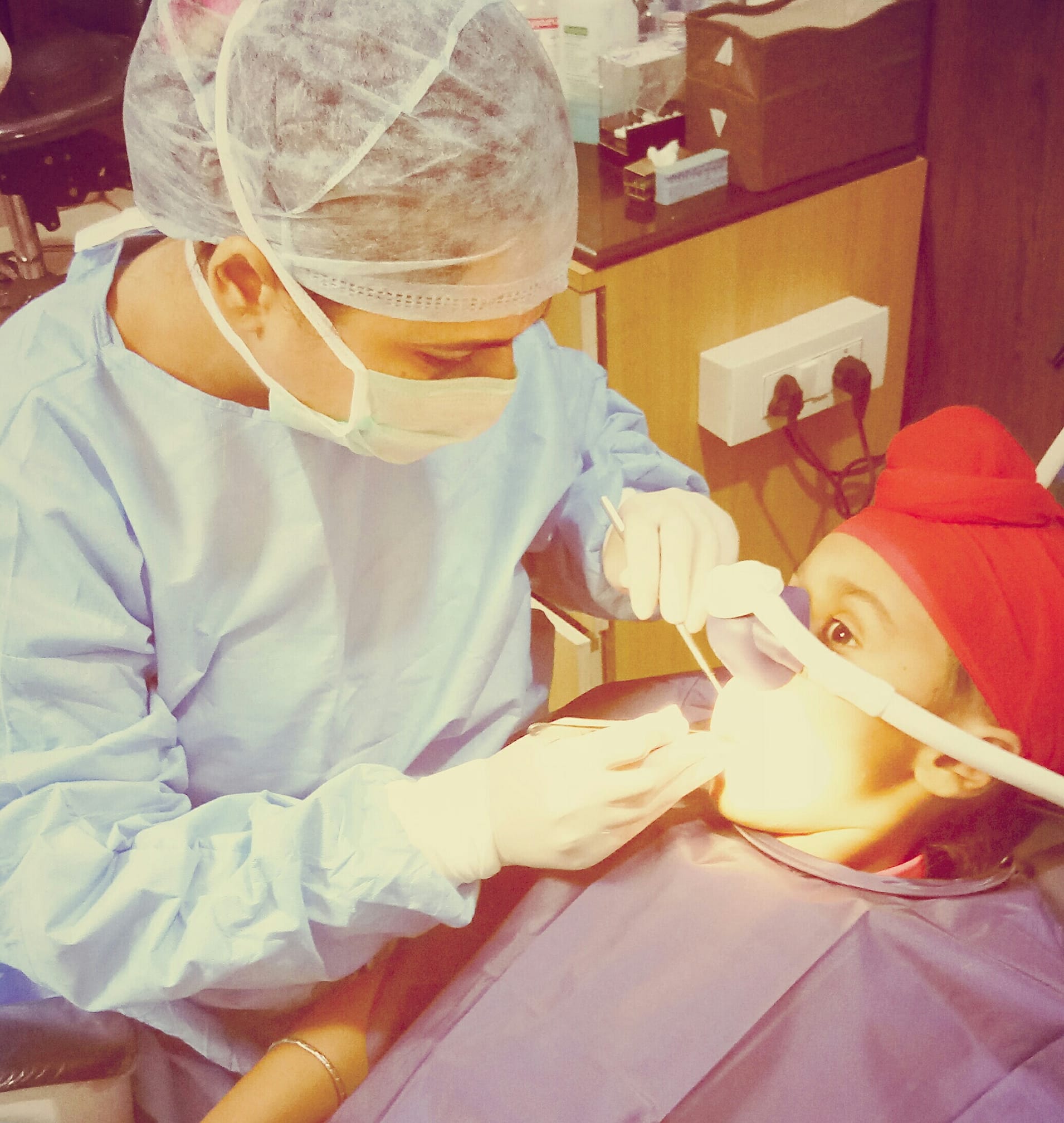
Pediatric Airway Dentistry Specialist
Common Treatments and Solutions for Kids
Myofunctional Therapy
Myofunctional therapy focuses on retraining oral muscles to function properly, which can significantly improve breathing patterns and airway support. This therapy helps children develop proper tongue posture, swallowing patterns, and breathing techniques that support healthy airway function. Many children benefit from exercises that strengthen tongue muscles and improve oral coordination.
Orthodontic Guidance
Specialized orthodontic approaches can help expand dental arches and guide jaw development to create more space for the tongue and improve airway dimensions. These treatments work with natural growth patterns to support optimal facial development. Growth guidance orthodontics focuses on creating adequate space for all teeth while ensuring that jaw development supports proper breathing.
Lifestyle and Habit Support
Airway dentists provide guidance to help children develop healthy oral habits that support proper breathing and development. This includes strategies for encouraging nasal breathing and addressing habits like thumb sucking that can affect facial growth. Education and support for both children and parents help establish routines and practices that promote healthy airway function.
Questions Parents Should Ask an Airway Dentist
Experience and Training
Parents should inquire about a dentist’s specific training in airway and sleep-related issues, as this specialized knowledge goes beyond general pediatric dentistry education. Understanding a practitioner’s background helps ensure they have the expertise needed to recognize and address complex airway concerns. Ask about continuing education, certifications, and experience with airway-focused treatments.
Treatment Philosophy
Understanding a dentist’s philosophy about the relationship between oral health and airway function helps parents evaluate whether their approach aligns with comprehensive care goals. Some practitioners focus more heavily on traditional dental concerns, while others emphasize the broader health implications of airway development.
Discuss how the dentist integrates airway considerations into routine care and what role they see airway health playing in overall child development. This conversation reveals whether the practitioner truly understands the connections between breathing, sleep, and oral health.
Team Approach
Effective airway care often requires collaboration with multiple healthcare providers. Parents should understand who else might be involved in their child’s care and how different specialists work together to address complex issues.
Ask about referral relationships with sleep medicine specialists, ENT doctors, myofunctional therapists, and other professionals who contribute to comprehensive airway care. Strong professional networks indicate a commitment to providing complete care for complex concerns.
Evergreen Pediatric Dentistry: Setting the Standard in Airway Care
Airway-Centered Dental Exams
Evergreen Pediatric Dentistry takes a comprehensive approach to every examination, evaluating breathing patterns, sleep quality indicators, and facial development alongside traditional dental concerns. This thorough assessment helps identify potential issues before they become more significant problems.
Dr. Susan and the team understand that healthy smiles depend on proper airway function and overall development. Their examinations consider how oral structures support breathing and sleep, providing parents with a complete picture of their child’s oral health needs.
Parent Partnership
The practice prioritizes clear communication with parents, explaining examination findings in understandable terms and discussing treatment options thoroughly. This educational approach helps families make informed decisions about their child’s care while understanding the reasoning behind recommendations.
Parents receive detailed explanations about how different factors affect their child’s airway health and development. This partnership approach ensures that families feel confident and informed throughout the treatment process.
Collaborative Network
Evergreen Pediatric Dentistry maintains strong relationships with other healthcare providers to ensure comprehensive care for children with complex airway and sleep concerns. This collaborative approach provides families with coordinated care that addresses all aspects of their child’s health and development.
When additional expertise is needed, the practice facilitates appropriate referrals and maintains communication with other providers to ensure continuity of care. This team approach provides families with confidence that all aspects of their child’s needs are being addressed professionally and thoroughly.
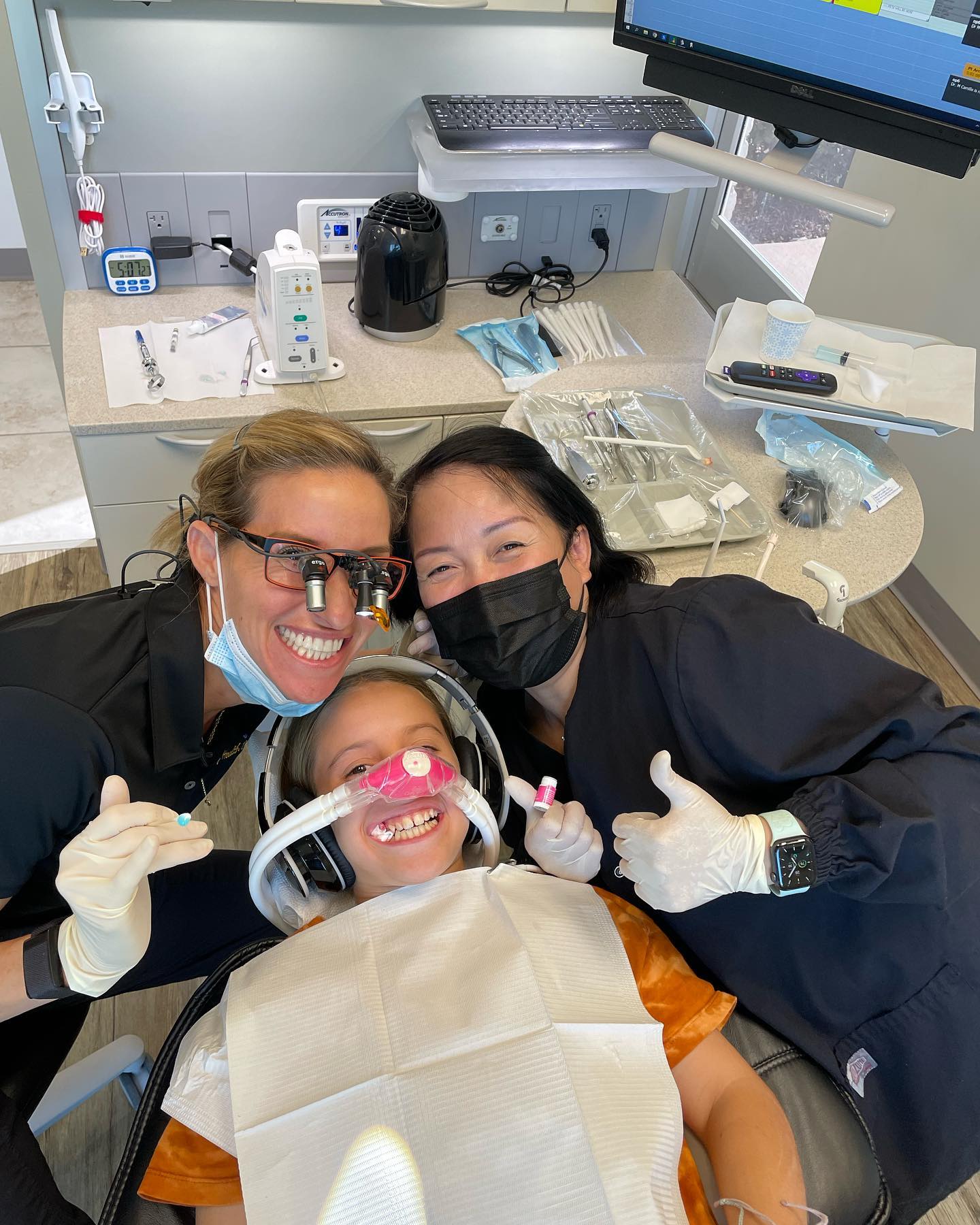
Pediatric Airway Specialist
Helping Parents Find the Right Fit
Trust Your Instincts
Parents often notice subtle changes in their child’s sleep patterns, behavior, or energy levels before obvious symptoms develop. Trusting these instincts and seeking evaluation when something doesn’t seem right can lead to early identification of issues that benefit from prompt attention.
Even when concerns seem minor, discussing them with a knowledgeable practitioner can provide reassurance or identify areas that warrant closer monitoring. Early attention to subtle signs often prevents more significant problems from developing.
Research and Referrals
Finding an airway-focused pediatric dentist requires research beyond standard dental directories. Look for practitioners who specifically mention airway health, sleep-disordered breathing, or growth guidance in their practice descriptions and services.
Ask your pediatrician, other healthcare providers, or parents in your community for referrals to dentists who understand the connection between oral health and airway function. Personal recommendations from trusted sources often lead to practitioners who provide comprehensive, family-centered care.
Peace of Mind for Families
Selecting the right dental provider brings peace of mind that comes from knowing your child’s health and development are in capable, caring hands. When practitioners understand the broader implications of oral health and take time to educate and support families, parents feel confident in their healthcare decisions.
The right dental partner supports not just oral health but overall well-being, helping families navigate complex health concerns with expertise, compassion, and clear communication. This relationship becomes invaluable as children grow and their health needs evolve.
A Smile That Breathes Easy: Supporting Your Child’s Complete Health
The connection between oral health and airway function represents an important evolution in pediatric dental care. When dentists understand how breathing, sleep, and development interconnect, they can provide care that supports children’s health far beyond their teeth and gums.
Airway-focused dentistry recognizes that healthy smiles depend on proper breathing and quality sleep. By addressing these fundamental health needs during childhood development, specialized practitioners help establish foundations for lifelong health and well-being.
Taking the time to find a dental provider who understands these connections and can guide your family through comprehensive care represents an investment in your child’s future health and happiness. When children can breathe easily and sleep well, they’re equipped to grow, learn, and thrive to their full potential.
Evergreen Pediatric & Airway Dentistry
Dr. Susan Kim
12910 Totem Lake Blvd NE #103
Kirkland, WA 98034
(425) 814-3196
Get Directions on Google Maps
evergreenkidsdentist.com