
What Parents Can Do if Their Child Fears the Dentist
It starts with a tight grip on your hand in the waiting room. Then comes the refusal to open their mouth. Finally, the tears. For many parents, a trip to the dentist isn’t just a routine healthcare appointment; it’s an emotional hurdle that leaves both parent and child exhausted.
If this sounds familiar, you aren’t alone. Dental anxiety is incredibly common among children. Studies estimate that a significant portion of school-aged children experience some level of fear regarding dental visits. This anxiety can stem from various sources, ranging from the fear of pain to simply being overwhelmed by a new environment.
However, skipping appointments isn’t the answer. Regular dental visits are crucial for maintaining long-term oral health, preventing cavities, and monitoring airway development. Avoiding the dentist can lead to more significant problems down the road, which often require more invasive treatments—paradoxically reinforcing the fear.
The good news is that dental anxiety is manageable. With the right preparation, communication, and a supportive dental team, your child can learn to view the children dentist not as a scary figure, but as a friendly helper. At Evergreen Pediatric & Airway Dentistry, we partner with parents to turn tearful visits into triumphant ones. We believe every child deserves a positive dental experience, and we are here to guide you through the process of helping your child overcome their fears.
Why Do Kids Fear the Dentist?
To help a child overcome a fear, we first need to understand where it comes from. For adults, the dentist might be an inconvenience or a mild discomfort. For a child, a dental office is a sensory overload.
Sensory Triggers
The dental environment is filled with strange sights, sounds, and smells.
- Bright Lights: The overhead light shining directly into a child’s eyes can feel invasive and vulnerable.
- Loud Noises: The high-pitched whine of the drill, the suction of the saliva ejector, and the clanking of metal tools can be terrifying to sensitive ears.
- Unfamiliar Smells: The clinical scent of antiseptics, latex, and dental materials is distinct and often associated with medical settings, which can trigger anxiety.
- Touch: Having a stranger’s hands and metal instruments inside their mouth is an invasion of personal space that many children struggle to accept.
Fear of Pain and the Unknown
Beyond sensory input, there is the primal fear of pain. Even if a child has never experienced a painful dental procedure, they may have heard horror stories from siblings or classmates. They might also fear the “shot” or the idea of having a tooth pulled.
Furthermore, children thrive on routine and predictability. The dentist represents the unknown. They don’t know what the tools do, how long the appointment will take, or what sensations they will feel. This lack of control is a major contributor to anxiety.
At Evergreen Pediatric & Airway Dentistry, we specialize in mitigating these triggers. Our office is designed to be a child-friendly haven. We use tell-show-do techniques to explain tools before using them, removing the mystery and fear of the unknown. We also offer amenities and distractions to help dampen the sensory overload, ensuring your child feels safe and in control.

Pediatric Dental Care
Start Early: The Importance of Early Dental Visits
One of the most effective ways to combat dental anxiety is to start visits before fear has a chance to set in. The American Academy of Pediatric Dentistry recommends that a child sees a dentist by their first birthday or within six months of the eruption of their first tooth.
Normalizing the Experience
Bringing a one-year-old to the dentist might seem unnecessary to some, but these early visits are less about deep cleaning and more about desensitization. When a child visits the dentist from a very young age, the sights, sounds, and smells of the office become familiar. It becomes a normal part of their life, just like going to the grocery store or the playground.
Building Trust
Early visits allow the child to build a relationship with the dentist when they are not in pain. If a child’s first visit is an emergency because of a toothache or an injury, they will naturally associate the dentist with pain and trauma. Conversely, if their first few visits are easy, “happy visits” involving counting teeth and getting a sticker, they learn that the dentist is a safe place.
The “Dental Home” Concept
Establishing a “dental home” early means you have a place to turn to for advice and emergencies. At Evergreen Pediatric & Airway Dentistry, our “age one” visits are gentle and informative. We let the child sit on the parent’s lap (a knee-to-knee exam) to feel safe. We focus on education, teaching parents how to care for infant teeth, and letting the child explore the environment at their own pace. This early foundation is crucial for preventing anxiety later in childhood.
Preparation is Key: Tips for Parents Before the Appointment
Anxiety often stems from the unexpected. By preparing your child for what to expect, you can remove the mystery and the fear. However, the way you prepare them matters immensely.
Role-Play at Home
Turn the dental visit into a game. You can be the dentist and your child can be the patient, or you can use a stuffed animal.
- Count the Teeth: Use a toothbrush or a mirror to count the stuffed animal’s teeth.
- Practice “Open Wide”: Have your child practice opening their mouth wide like a lion or a hippo.
- Use Props: A regular chair can be the “magic dental chair.” You can even use a flashlight to mimic the examination light (carefully).
- Switch Roles: Let your child be the dentist and check your teeth. This gives them a sense of control and mastery over the situation.
Read Books and Watch Videos
There are countless children’s books and cartoons featuring favorite characters visiting the dentist. Seeing Peppa Pig, Daniel Tiger, or the Berenstain Bears have a positive experience can be incredibly reassuring. These stories usually explain the steps of a check-up in a fun, non-threatening way.
Choose Your Words Carefully
Avoid using trigger words. Words like “shot,” “needle,” “pain,” “drill,” or “hurt” should be banished from your vocabulary when discussing the dentist. Even saying, “It won’t hurt,” puts the concept of hurt into their mind.
Instead, focus on positive phrases:
- “We are going to verify your smile is super strong.”
- ” The dentist is going to count your teeth.”
- “We get to see how shiny they can make your teeth.”
Timing is Everything
Don’t tell your child about the appointment months in advance, as this gives them too much time to worry. For toddlers, the morning of the appointment is usually sufficient. For school-aged children, a day or two in advance is appropriate. Also, try to schedule the appointment at a time when your child is well-rested and fed. A tired or hungry child is much less resilient to stress.
At Evergreen Pediatric & Airway Dentistry, we provide resources and guidance for parents on how to prep their kids. If you are unsure what to say, give our office a call beforehand. We can guide you on the best terminology to use.

Pediatric Dental Well being
Creating a Positive Experience During the Visit
Once you arrive at the office, there are several strategies you can employ to keep the anxiety at bay.
Bring a Comfort Item
Allow your child to bring a favorite stuffed animal, blanket, or toy. Having a familiar object to hold can provide a sense of security and distraction. Some children even like their stuffed animal to get their teeth checked first!
Stay Calm and Supportive
Your child looks to you for cues on how to react. If you appear relaxed and happy, they are more likely to feel the same. Stay close, hold their hand if they need it, and offer verbal encouragement. Praise them for specific behaviors, such as “You’re doing a great job opening wide!” or “I love how still you are sitting.”
Distraction Techniques
Distraction is a powerful tool. Talk to your child about something fun you are going to do later, sing a favorite song, or tell a story.
At Evergreen Pediatric & Airway Dentistry, our staff is trained in behavioral management techniques. We know when to engage a child in conversation to distract them and when to give them space. Our kid-friendly office design creates a welcoming atmosphere that feels less like a clinic and more like a fun destination. From the waiting room to the treatment chair, every aspect of our practice is tailored to reduce stress.
The Role of Communication: Talking to Your Child About the Dentist
Honesty is important, but so is framing. How you explain the visit matters immensely.
Don’t Over-Explain
Giving too much detail can sometimes cause more anxiety. Keep it simple. You might say, “We are going to see the dentist who is going to count your teeth and clean them so they stay strong.”
Avoid False Promises
Don’t promise that “nothing will happen” if you know they might need a procedure. If your child discovers you lied, it breaks trust and makes future visits harder. Instead, focus on the positive outcome: “The dentist is going to fix your tooth so it stops bothering you.”
Let the Professionals Handle the Details
The team at Evergreen Pediatric & Airway Dentistry takes time to explain procedures in a child-friendly manner. We use non-threatening terminology. For example, we might call the suction “Mr. Thirsty,” the anesthetic “sleepy juice,” and the curing light a “magic wand.” We allow the child to touch and see instruments before we use them.
Letting the dental team lead the conversation during the appointment allows us to build a rapport with your child directly.
When to Seek Professional Help for Severe Dental Anxiety
For some children, fear of the dentist goes beyond typical nervousness and becomes a phobia that prevents them from receiving necessary dental care.
Signs of Severe Anxiety
- Uncontrollable crying or screaming that doesn’t subside with reassurance.
- Physical resistance (kicking, flailing) that makes treatment unsafe.
- Sleeplessness or illness leading up to the appointment.
- Panic attacks.
Sedation Dentistry Options
If your child has severe anxiety, specialized needs, or extensive dental work, sedation dentistry might be a viable option.
- Nitrous Oxide (Laughing Gas): A mild sedative that helps children relax while remaining awake and responsive. It wears off quickly after the procedure.
- General Anesthesia: For the most severe cases or extensive surgeries, general anesthesia allows the child to sleep through the entire procedure.
- The Wand® Anesthetic: This computerized, controlled anesthetic delivery system provides a steady and comfortable numbing sensation without the use of needles.
Evergreen Pediatric & Airway Dentistry has expertise in handling severe dental anxiety with compassion and care. We evaluate every child individually. We will discuss all options with you, prioritizing the safest and least invasive method to ensure your child receives the care they need without emotional trauma.
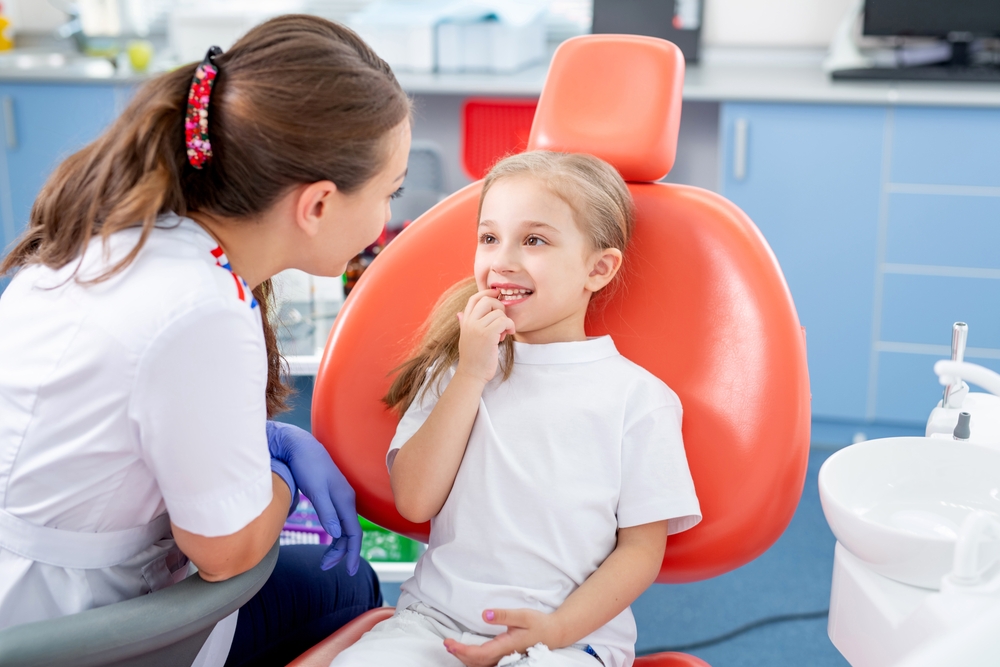
Pediatric Dental Treatment
A Lifetime of Healthy Smiles
Helping a child overcome their fear of the dentist is a journey, not a sprint. It requires patience, consistency, and the right partner in oral health. By starting early, preparing at home, and choosing a pediatric dentist who understands the unique emotional needs of children, you can transform dental visits from a source of dread into a routine part of a healthy lifestyle.
Dental anxiety is manageable. Every positive experience builds upon the last, eventually leading to a confident child who takes pride in their oral health.
If you are looking for a dental home that prioritizes your child’s emotional well-being as much as their teeth, look no further. At Evergreen Pediatric & Airway Dentistry, we are dedicated to providing compassionate, child-focused care in a supportive environment. We invite you to schedule an appointment with us today and see the difference a gentle approach can make. Let’s work together to give your child a smile they are proud to share with the world.
Evergreen Pediatric & Airway Dentistry
Dr. Susan Kim
12910 Totem Lake Blvd NE #103
Kirkland, WA 98034
(425) 814-3196
Get Directions on Google Maps
evergreenkidsdentist.com