Making Dental Visits Easier: Why Parents Choose Sleep Dentistry for Kids
For many parents, the thought of a dental appointment for their child brings on a wave of stress. The tears, tantrums, and your child’s genuine fear can make essential dental care feel like a battle.
While some kids handle dental visits with ease, others find the environment overwhelming. This anxiety can turn even a simple cleaning into a struggle and makes complex procedures nearly impossible. A terrified child might refuse to cooperate, move unpredictably, or even develop a lifelong phobia of the dentist.
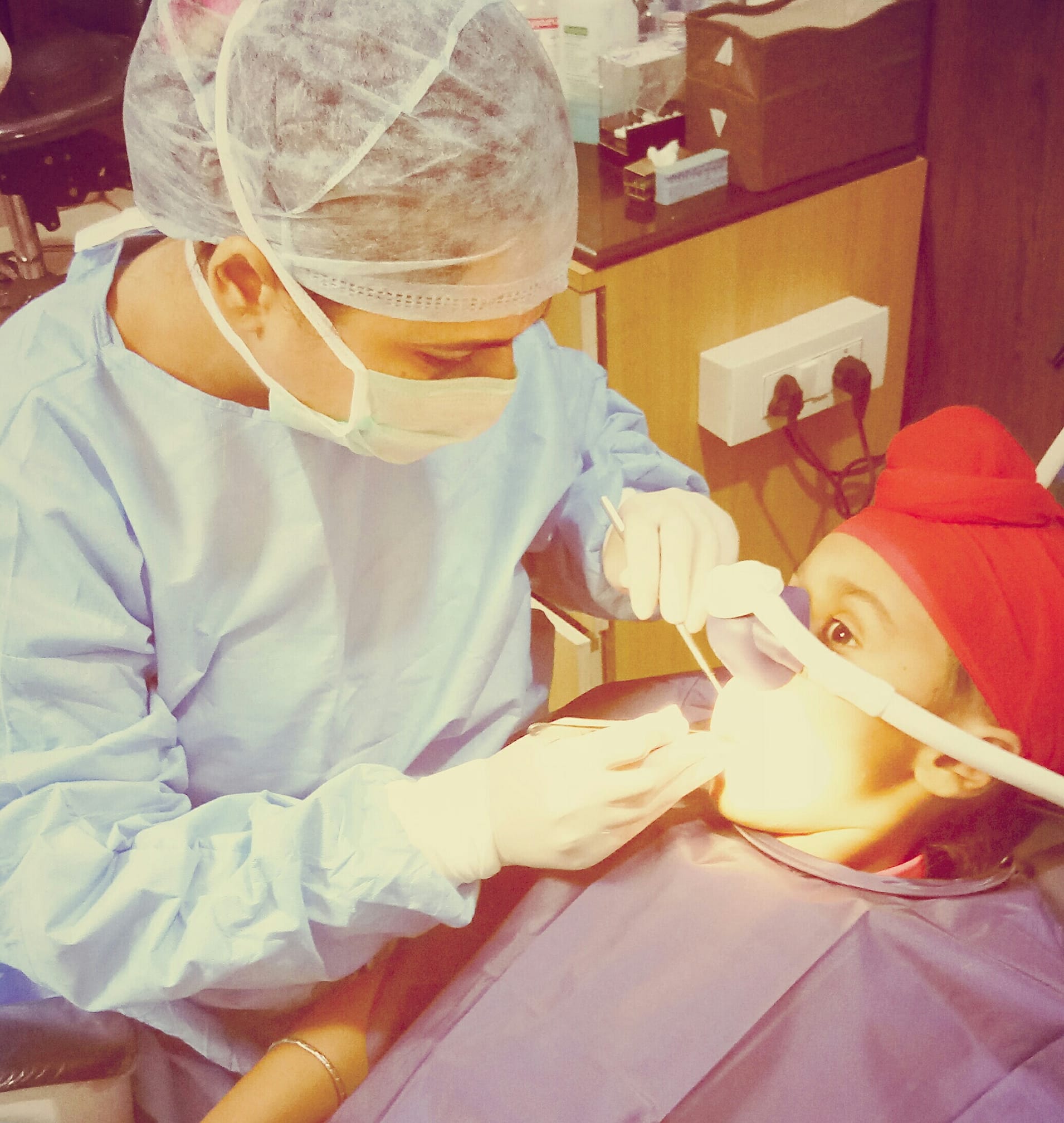
This is where sleep dentistry can help. It’s a compassionate approach that bridges the gap between necessary dental care and a child’s emotional well-being. Using safe, monitored sedation, pediatric dentists can perform treatments while the child rests comfortably.
At Evergreen Pediatric Dentistry, we focus on building a positive foundation for lifelong oral health. We understand that a traditional approach doesn’t work for every child. Sleep dentistry allows us to reset the dental experience, transforming a potentially traumatic event into a peaceful and forgettable one.
Understanding Sleep Dentistry
“Sleep dentistry” is a broad term often used to describe the use of sedation to facilitate dental treatment. However, it is a bit of a misnomer because the child isn’t always asleep. Depending on the level of sedation used, a child might be fully awake but relaxed, in a twilight state where they are responsive but groggy, or completely unconscious under general anesthesia.
The primary goal of sleep dentistry is to eliminate pain and anxiety. It allows the dentist to work safely and efficiently while ensuring the child has no memory of any unpleasantness. This approach is particularly effective for pediatric dentistry because children often lack the coping mechanisms adults use to manage stress. An adult might squeeze a stress ball or practice deep breathing; a child is more likely to cry, kick, or shut down.
Sedation creates a safety buffer. It suppresses the gag reflex, relaxes tense muscles, and alters the perception of time. A procedure that takes an hour might feel like five minutes to a sedated child. This distortion of time and memory is crucial for preventing dental trauma. If a child doesn’t remember the drill or the injection, they won’t associate the dentist with pain, making future visits significantly easier.
Sleep Dentistry for Kids
Why Parents Choose Sleep Dentistry
The decision to use sedation is rarely made lightly. Parents often have questions and concerns, but ultimately, the choice is driven by the desire to provide the best possible experience for their child. There are three primary reasons families at Evergreen Pediatric Dentistry opt for this route.
Breaking the Cycle of Dental Anxiety
Dental anxiety is common, especially in children, and can create a lifelong fear of the dentist if not addressed. The sights, sounds, and sensations of dental visits often trigger panic, reinforcing negative associations. Sleep dental care offers a solution by using medications with an amnesic effect, allowing children to undergo procedures without fear or memory of the experience. This helps them build a positive relationship with dental care over time.
Supporting Children with Special Needs
For children with sensory processing disorders, autism, ADHD, or physical disabilities, the dental environment can be overwhelming, triggering severe discomfort or physical reactions. Sleep dentistry eliminates these sensory challenges, ensuring children can receive necessary oral care without distress. It allows dentists to perform procedures safely and effectively, providing equal care for all children, regardless of their needs.
Improving Efficiency and Reducing Stress
Extensive dental work often requires multiple stressful visits, which can lead to appointment fatigue for both children and parents. Sleep dentistry allows dentists to complete all necessary treatments in a single session under sedation or general anesthesia. This reduces recovery time, minimizes missed school or work, and lowers stress for the entire family.
Sleep dentistry is a compassionate, effective approach that ensures children—especially those with anxiety or special needs—receive high-quality dental care in a safe and stress-free way.
The Process at Evergreen Pediatric Dentistry
Understanding the unknown is the best way to combat parental anxiety about sedation. At Evergreen Pediatric Dentistry, the process is structured, transparent, and focused entirely on safety.
Consultation and Evaluation
The journey begins well before the actual procedure day. The first step is a comprehensive consultation. The pediatric dentists at Evergreen review the child’s medical history in detail. They look for allergies, current medications, previous surgeries, and any respiratory issues (like asthma or enlarged tonsils) that could affect airway management.
This evaluation also includes a physical exam of the mouth to determine exactly what work needs to be done. The dentist will discuss the different sedation options available and recommend the one best suited for the child’s specific temperament and dental needs. This is a partnership; parents are encouraged to ask questions until they feel completely comfortable with the plan.
Types of Sedation Used
Evergreen Pediatric Dentistry offers a spectrum of sedation options, tailored to the severity of the anxiety and the complexity of the procedure:
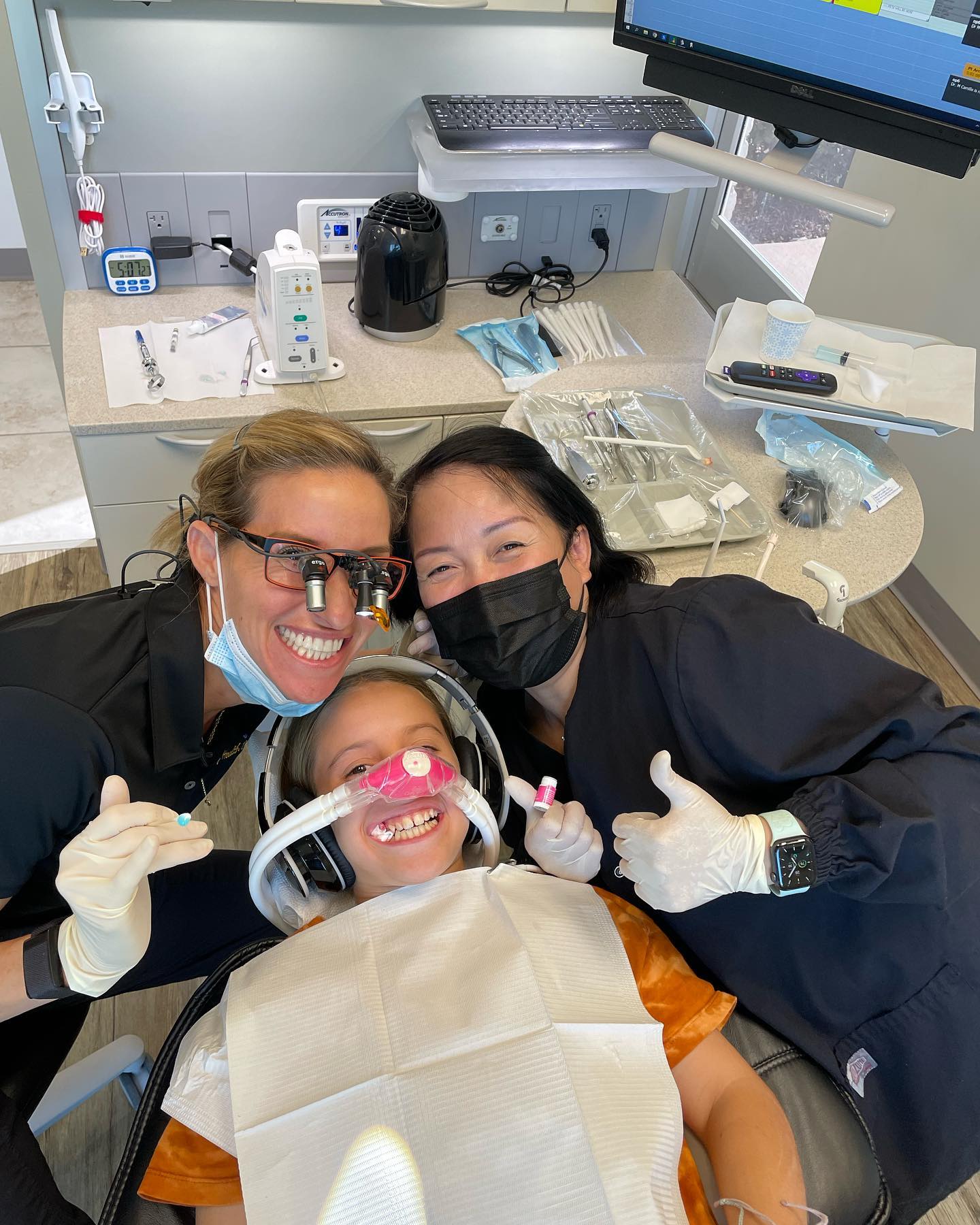
- Nitrous Oxide: A mild sedation where a mask delivers a mix of oxygen and nitrous oxide, helping the child feel calm and relaxed while staying fully awake. The effects fade quickly once the mask is removed.
- Oral Sedation: A liquid medication makes the child drowsy and relaxed, sometimes lightly asleep but easily woken to follow instructions. Ideal for anxious but cooperative kids.
- General Anesthesia: Used for very young children, extensive procedures, or special needs. Administered by an anesthesiologist, the child is fully unconscious and won’t feel or remember the procedure.
Monitoring and Safety Measures
Safety is the non-negotiable priority. When sedation is administered, the child is never left alone or unmonitored. The team at Evergreen utilizes advanced monitoring equipment to track the child’s vital signs throughout the entire appointment.
They monitor:
- Heart rate and rhythm: Ensuring the heart is beating normally.
- Oxygen saturation: Checking that the child is breathing deeply and effectively.
- Blood pressure: Ensuring stable circulation.
- Respiratory rate: Monitoring every breath.
The staff are trained in Pediatric Advanced Life Support (PALS) and are prepared to manage any situation. By adhering to strict American Academy of Pediatric Dentistry (AAPD) guidelines, Evergreen ensures that the risks are minimized and the child’s safety is maintained from the moment they walk in until they are discharged.
Kids Sleep Dentistry
Benefits of Choosing Evergreen Pediatric Dentistry
While many dental offices offer basic care, Evergreen Pediatric Dentistry distinguishes itself through a specialized focus on the unique needs of children.
Experienced Pediatric Dentists
Pediatric dentists are the pediatricians of the dental world. After completing general dental school, they undergo an additional two to three years of specialized residency training. This training focuses specifically on child psychology, growth and development, and the unique pharmacological needs of children.
The dentists at Evergreen are experts in behavior management. They know how to speak to children in a way that de-escalates fear (“Tell-Show-Do” technique). When sedation is required, their advanced training allows them to administer it with a precision that a general dentist might not possess.
Child-Friendly Environment
The physical environment plays a massive role in a child’s anxiety levels. Evergreen Pediatric Dentistry is designed to be a “yes” space for kids. The waiting areas are bright and engaging, filled with distractions that help take the child’s mind off the upcoming appointment.
The treatment rooms are equipped with technology to keep kids entertained, such as televisions on the ceiling. The equipment is sized for smaller mouths, which reduces discomfort. The atmosphere is deliberately kept light and cheerful, removing the sterile, clinical vibe that often scares children.
Advanced Technology
Dentistry is an evolving field, and Evergreen stays at the forefront of these advancements. From digital X-rays that use lower radiation to quiet electric handpieces that reduce the scary vibration and noise of the drill, every piece of technology is chosen to make the experience smoother and faster.
When combined with sedation, this technology allows for incredibly precise work. Because the child is still and calm, the dentist can utilize these advanced tools to their full potential, ensuring restorative work (like fillings or crowns) lasts longer and fits better.
Addressing Common Concerns
It is natural for parents to worry about sedation. Here are honest answers to the most common questions raised by parents at Evergreen.
Is Sedation Safe?
Yes, when administered by trained professionals, sedation is extremely safe. The risks associated with dental sedation are very low. The pre-procedure health evaluation is designed specifically to identify any risk factors. By following strict fasting guidelines (no food or drink before the appointment) and utilizing hospital-grade monitoring, the team at Evergreen prioritizes safety above all else.
What Are the Side Effects?
Most side effects are minor and temporary. After nitrous oxide, there are usually no side effects at all. With oral sedation or general anesthesia, a child may feel groggy, nauseous, or irritable as the medication wears off. Some children may cry or be confused upon waking up—this is a normal reaction called “emergence delirium” and typically resolves quickly with comfort and rest.
Parents are provided with detailed post-operative instructions on how to manage their child’s recovery at home, including what to feed them and how to manage any discomfort.
What About Cost and Insurance?
This is a practical concern for every family. Insurance coverage for dental sedation varies widely depending on the plan. Some insurance providers cover sedation only if it is deemed “medically necessary” (often the case for extensive work or special needs diagnoses), while others may consider it an elective upgrade.
The administrative team at Evergreen Pediatric Dentistry works closely with families to navigate these benefits. They can provide detailed cost estimates upfront so there are no surprises. For many parents, even if there is an out-of-pocket cost, the value of completing all treatment in one visit without trauma is worth the investment.
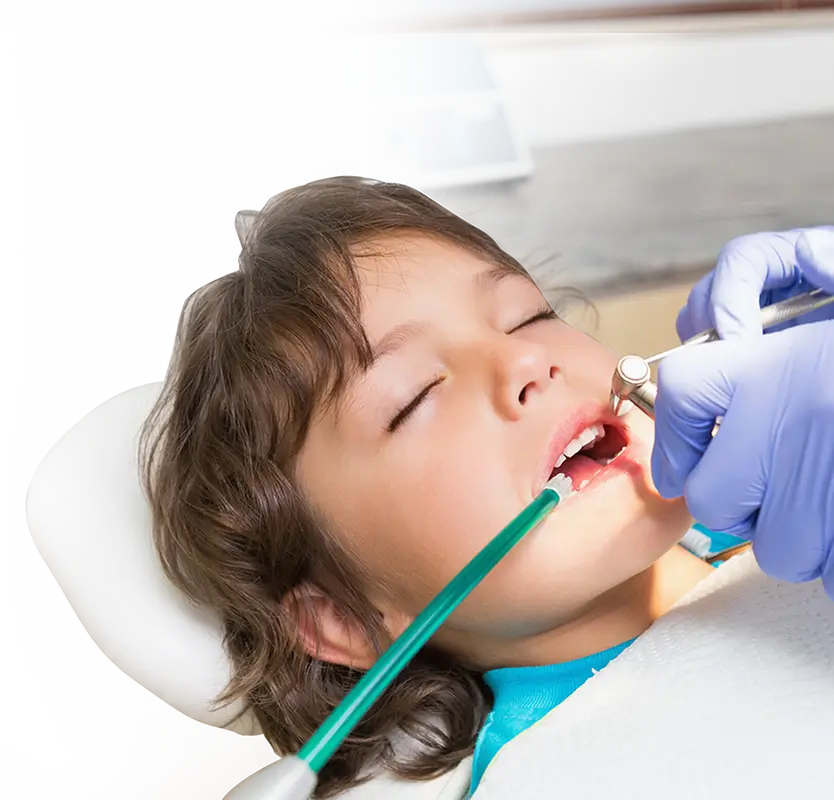
Pediatric Sleep Dentistry
Conclusion
The goal of pediatric dentistry isn’t just to fix teeth—it’s to raise a generation of adults who aren’t afraid of the dentist. Sleep dentistry is a powerful tool for achieving this. It allows anxious or active children, or those needing extensive work, to receive quality care without the trauma that can accompany difficult dental visits.
Choosing sleep dentistry prioritizes your child’s mental and physical health by protecting them from pain and ensuring they get the care they need. Evergreen Pediatric Dentistry is committed to making this process as gentle and safe as possible. If your child struggles with dental visits, consider this a better way forward.
Evergreen Pediatric & Airway Dentistry
Dr. Susan Kim
12910 Totem Lake Blvd NE #103
Kirkland, WA 98034
(425) 814-3196
Get Directions on Google Maps
evergreenkidsdentist.com