

What to Expect When Scheduling a Laser Tongue-Tie Procedure for Your Baby
If you are reading this in the middle of the night with a fussy baby in one arm and your phone in the other, take a deep breath. You are not alone. Feeding difficulties are among the most stressful challenges new parents face. When breastfeeding is painful or bottle-feeding results in a gassy, unhappy infant, it often leads parents down a rabbit hole of research where they eventually land on one term: tongue-tie.
Discovering your baby might have a tongue-tie (ankyloglossia) can bring a mix of relief and anxiety. Relief, because there is finally a reason for the struggles you’ve been facing. Anxiety, because the solution often involves a procedure on your tiny newborn.
While the idea of any procedure is daunting, modern pediatric dentistry has advanced significantly. The laser tongue-tie release is a quick, effective solution that has helped countless families improve their feeding journeys and their babies’ overall health.
This guide will walk you through exactly what to expect, from identifying the symptoms to the procedure itself, specifically focusing on the advanced laser techniques used at clinics like Evergreen Pediatric Dentistry.
Understanding Tongue-Tie and Its Impact
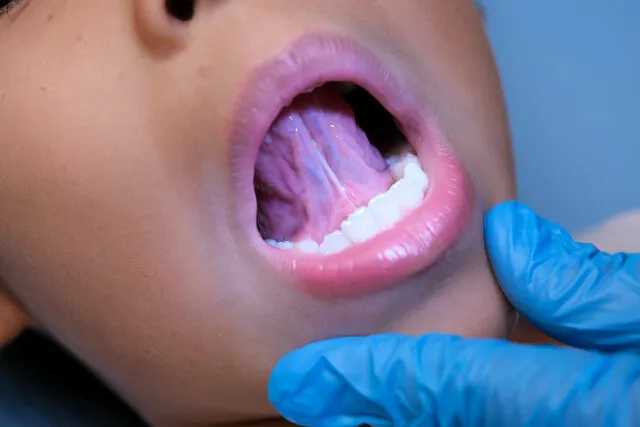
Before jumping into the procedure, it helps to understand exactly what is happening in your baby’s mouth. Everyone has a frenulum—the small band of tissue connecting the underside of the tongue to the floor of the mouth. In some babies, this tissue is unusually short, thick, or tight.
When the frenulum is too tight, it tethers the tongue, restricting its range of motion. For a baby to feed effectively (whether at the breast or on a bottle), the tongue needs to be able to elevate, extend, and cup the nipple to create a vacuum. A restricted tongue cannot perform these complex movements.
The Ripple Effect on Health
The impact of this restriction goes beyond just “picky eating.” If the tongue cannot rest on the roof of the mouth where it belongs, it can affect the development of the jaw and airway. In the short term, the most immediate consequences are often:
- Nutritional issues: The baby works twice as hard to get half as much milk, often falling asleep at the breast or bottle out of exhaustion rather than fullness.
- Maternal pain: For breastfeeding mothers, a shallow latch caused by a tongue-tie can result in severe nipple pain, damage, and even mastitis due to incomplete drainage of the breast.
- Sleep disruption: Because the baby isn’t getting a full feed, they may wake frequently due to hunger. Furthermore, if the tongue falls back during sleep due to poor muscle tone or restriction, it can disrupt deep sleep cycles.

Laser Tongue-Tie Release
6 Signs Your Baby Might Need a Release
Tongue ties are not always obvious. Some babies have a “hidden” or posterior tie that sits under the mucous membrane and isn’t visible when the baby cries. However, function tells the real story. Here are common functional signs that suggest a release might be necessary:
Clicking sounds during feeding: This sound usually indicates the baby is losing suction because they cannot maintain a proper seal with their tongue.
Poor weight gain: Despite constant feeding, the baby struggles to move up the growth chart.
Reflux and colic: When a baby loses the seal on the breast or bottle, they swallow air (aerophagia). This trapped air causes gas, bloating, and symptoms often diagnosed as colic or reflux.
Milk leaking: You might notice milk dribbling out of the corners of the baby’s mouth during feeds because they cannot cup the nipple effectively.
Lip blisters: If the tongue isn’t doing the work, the baby may compensate by using their lips to hold on, resulting in friction blisters on the upper or lower lip.
Frustration at the breast: The baby may pull away, arch their back, or cry during feeds.
Why Choose Laser Treatment?
Historically, doctors used sterile scissors to snip the frenulum. While this method is still used, laser technology—specifically the CO2 laser—has become the gold standard in many pediatric dental practices.
A laser doesn’t cut tissue in the traditional sense; it uses light energy to vaporize the tissue. This offers several distinct advantages over traditional scissors:
- Precision: The laser allows the dentist to remove the restriction layer by layer. This precision ensures a complete release of the tension without damaging surrounding structures.
- Minimal Bleeding: The laser cauterizes (seals) blood vessels as it works. This means there is significantly less bleeding compared to a scissor snip, giving the provider a clearer view of the surgical site.
- Sterilization: The laser energy naturally sterilizes the area, reducing the risk of infection.
- Speed: The actual tissue release takes only seconds, minimizing the time your baby needs to be held still.
The Consultation at Evergreen Pediatric Dentistry
Scheduling that first appointment is the biggest hurdle for nervous parents. Knowing what happens during the consultation can help lower your stress levels. At a specialized clinic like Evergreen Pediatric Dentistry, the focus is on a holistic assessment, not just a quick look at the mouth.
When you arrive, the team will review your baby’s medical history and your feeding goals. This is a conversation, not a lecture. They will want to know about your symptoms, your pain levels, and your baby’s behavior.
The physical exam involves the dentist gently placing their gloved fingers under your baby’s tongue to assess not just appearance, but function. Can the tongue lift? Can it move side to side? Is there tension in the floor of the mouth?
They will also examine the upper lip for a lip-tie (a tight attachment of the upper lip to the gum), as these often occur alongside tongue-ties.
If a release is recommended, the dentist will explain the procedure, the expected benefits, and the crucial aftercare exercises. This is the time to ask every question you have. A good provider will never rush you into a decision.
Laser Tongue-Tie Release Treatment
Step-by-Step: The Procedure Day
If you decide to proceed with the laser release tongue tie, it can often be done on the same day as the consultation. Here is a walkthrough of the typical process so there are no surprises.
Preparation
Your baby will be taken to the treatment room. At Evergreen Pediatric Dentistry, safety is paramount. The baby will be swaddled comfortably to prevent them from wiggling their arms or grabbing at the laser. Protective eyewear—tiny, adorable safety goggles—will be placed on the baby to protect their eyes from the laser light.
Parents are often asked to wait in a nearby area or waiting room during the actual procedure. While this can be hard, it allows the medical team to work quickly and efficiently without parental anxiety inadvertently distressing the baby.
The Release
The dentist and an assistant will stabilize the baby’s head. Using the laser, the dentist releases the tight frenulum under the tongue (and the lip, if necessary). The laser makes a “beep” sound when active. You might smell a scent similar to singed hair; this is normal and simply the result of the tissue vaporization.
The actual laser usage typically lasts less than a minute. The baby may cry because they are being held still and someone is working in their mouth, but the laser itself causes minimal trauma compared to traditional surgery.
Immediate Post-Procedure
As soon as the procedure is done, you will be reunited with your baby immediately. The best thing to do right after the release is to feed. Whether you breastfeed or bottle-feed, this helps soothe the baby and encourages the tongue to move in its new, unrestricted range of motion. Furthermore, breast milk has natural analgesic and antibiotic properties that can help the site.
What About Recovery? The Importance of Aftercare
The procedure is the easy part—the recovery relies heavily on parents. The mouth heals incredibly fast. While this is generally good, it poses a risk for tongue-tie releases: the tissue wants to heal back together.
To prevent reattachment (where the wound heals tightly again), you will need to perform specific stretches on the wound site.
The Stretches
Your provider at Evergreen Pediatric Dentistry will demonstrate these stretches. Typically, they involve:
- Lifting the tongue to expose the diamond-shaped wound.
- Gently rubbing or pressing the wound to keep it open.
- Performing these exercises multiple times a day (usually before diaper changes or feeds) for several weeks.
It is normal for babies to dislike these stretches. They aren’t necessarily painful, but they are invasive and annoying to the infant. Remember, you are not hurting your baby; you are ensuring the surgery is successful so they don’t have to go through it again.
Pain Management
Most babies are fussy for the first 24 to 48 hours. Your dentist may recommend over-the-counter pain relief (like infant Tylenol) depending on your baby’s age and weight. Skin-to-skin contact, warm baths, and frequent comforting feeds are excellent natural ways to manage their discomfort.
Potential Risks and Complications
Laser frenectomy is considered a low-risk procedure, but no medical intervention is without some risk. Being informed helps you watch for anything unusual.
- Reattachment: As mentioned, this is the most common complication. If the stretches aren’t done frequently or effectively, the wound can heal closed, restricting the tongue again.
- Discomfort: Some babies experience a “nursing strike” or refuse the bottle for a short period due to mouth soreness.
- Minor Bleeding: While rare with lasers, a tiny amount of spotting can occur if the wound is bumped during stretches.
- Infection: The risk is extremely low due to the sterile nature of the mouth and the laser, but parents should always wash their hands before performing stretches.
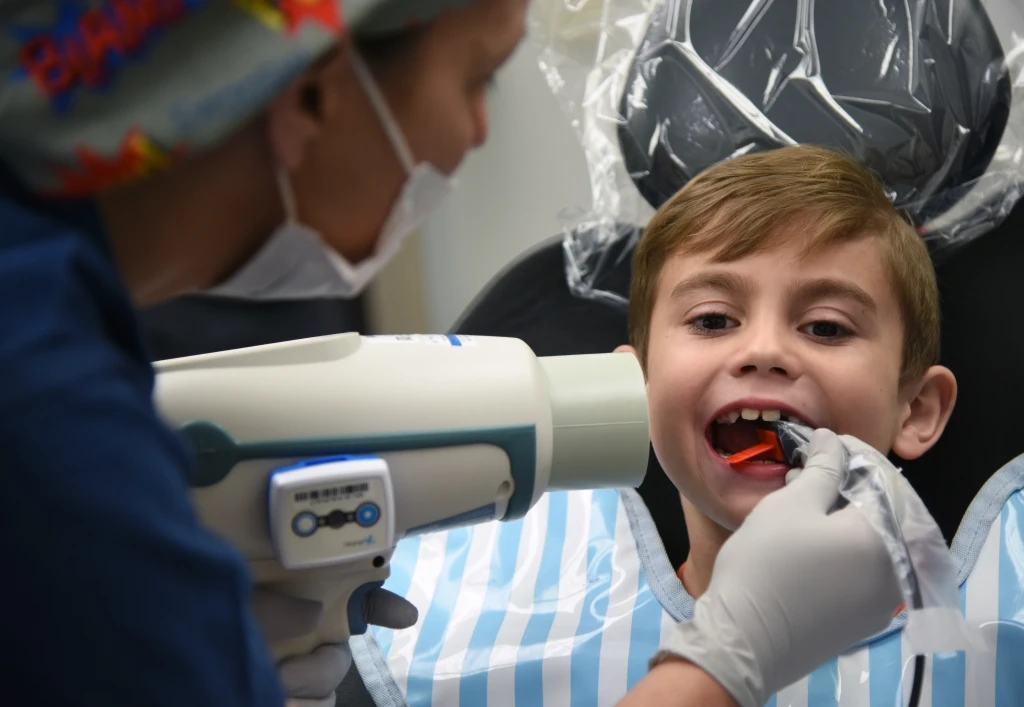
Laser Tongue-Tie Release Specialist
A New Chapter for Feeding
The days following the procedure can be a mix of ups and downs. Some parents notice an immediate improvement in the latch—it feels deeper and less painful instantly. For others, it takes time. The baby has been using their tongue incorrectly for months; they essentially need to learn how to suck and swallow all over again.
Working with a lactation consultant or a feeding therapist alongside your pediatric dentist is often the key to long-term success. They can help retrain the baby’s suck pattern now that the mechanical restriction is gone.
Choosing to have a procedure done on your baby is a heavy decision, but it is often the turning point for a happier, healthier feeding relationship. By addressing the root cause of the struggle, you are setting your child up for better oral function for life.
Evergreen Pediatric & Airway Dentistry
Dr. Susan Kim
12910 Totem Lake Blvd NE #103
Kirkland, WA 98034
(425) 814-3196
Get Directions on Google Maps
evergreenkidsdentist.com