
Laser Frenectomy vs. Traditional Methods: Which Is Better for Kids?
When your child struggles with feeding difficulties, speech challenges, or oral hygiene issues, the culprit might be a tongue-tie or lip-tie. As a parent, you want the safest, most effective solution for your little one. Understanding the difference between laser frenectomy vs traditional surgical methods can help you make the best choice for your child’s health and comfort.
Both approaches aim to release the restrictive tissue that limits tongue or lip movement, but they differ significantly in technique, recovery, and overall experience. Modern laser technology has transformed how pediatric specialists approach these procedures, offering benefits that traditional methods simply can’t match. Let’s explore what each option involves and why one might be better suited for your child.
What is a Frenectomy?
A frenectomy is a minor surgical procedure that removes or modifies the frenulum—a small fold of tissue in the mouth that can restrict movement of the tongue or upper lip. When this tissue is too tight or thick, it creates what’s commonly called a tongue-tie (ankyloglossia) or lip-tie.
These conditions can cause various problems for children, including:
- Difficulty breastfeeding or bottle-feeding in infants
- Speech development challenges
- Problems with oral hygiene
- Gaps between front teeth
- Eating difficulties with certain foods
The procedure aims to release this restrictive tissue, allowing for better range of motion and improved function. Early intervention often prevents more complex issues later in childhood.
Laser Frenectomy vs. Traditional Methods
Traditional Frenectomy Methods
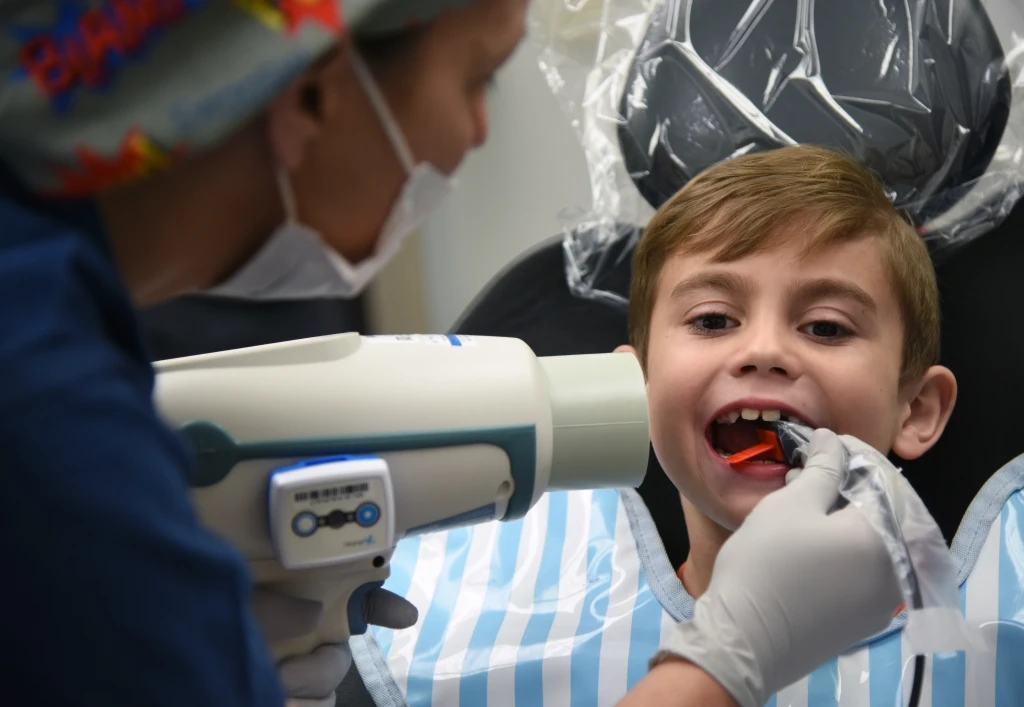
Traditional frenectomy procedures typically involve using surgical scissors or a scalpel to cut the restrictive tissue. The surgeon makes a precise incision to release the frenulum, often requiring sutures to close the wound afterward.
During a traditional procedure, local anesthesia numbs the area to minimize discomfort. The surgeon carefully cuts through the tissue, controlling bleeding with pressure and potentially cauterization. Depending on the extent of the procedure, stitches may be necessary to promote proper healing.
While effective, traditional methods often result in more bleeding, swelling, and post-operative discomfort compared to modern alternatives. Recovery typically takes longer, and parents may need to manage more intensive aftercare requirements.
Laser Frenectomy Methods
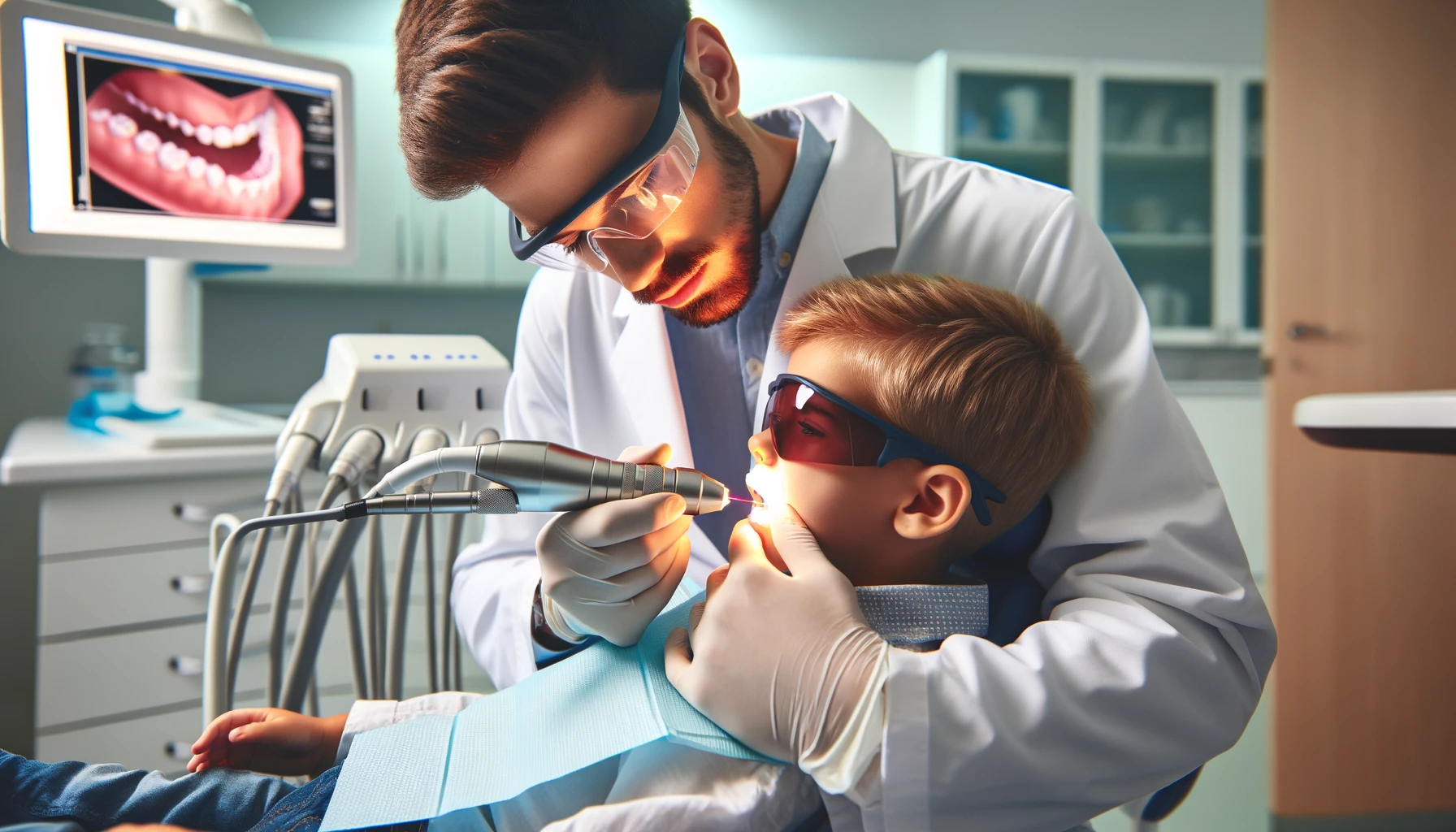
Laser frenectomy uses advanced CO2 laser technology to precisely remove restrictive tissue with minimal impact on surrounding areas. Dr. Susan Kim at Evergreen Pediatric & Airway Dentistry utilizes Light Scalpel CO2 laser technology, which offers superior precision and comfort for patients from infancy through adulthood.
The laser works by creating focused energy that simultaneously cuts and cauterizes tissue. This dual action provides several advantages over traditional methods. The precision of the laser allows for targeted treatment, affecting only the necessary tissue while preserving healthy surrounding structures.
The procedure typically takes just a few minutes, and the laser’s cauterizing effect means significantly less bleeding during and after the treatment. This makes the experience more comfortable for children and less stressful for parents.
Benefits of Laser Frenectomy
Laser frenectomy offers numerous advantages that make it the preferred choice for many families and pediatric specialists:
- Minimal Bleeding and Swelling: The laser cauterizes blood vessels as it cuts, resulting in very little bleeding during the procedure and reduced swelling afterward.
- Reduced Pain and Discomfort: Many children experience less pain with laser treatment compared to traditional methods. The laser seals nerve endings, which helps minimize post-procedure discomfort.
- Faster Healing: The precise nature of laser treatment promotes quicker healing times. Most children can resume normal activities, including feeding, much sooner than with traditional surgery.
- No Sutures Required: The laser’s cauterizing action typically eliminates the need for stitches, reducing the complexity of aftercare and follow-up visits.
- Lower Risk of Infection: The laser’s sterilizing effect reduces the risk of post-operative infection, providing additional peace of mind for parents.
- Immediate Function Improvement: Many families notice immediate improvements in feeding, speech, or other functions right after the procedure.
Ideal Candidates for Laser Frenectomy
Laser frenectomy is suitable for patients of all ages, from newborns to adults. However, certain factors make some children particularly good candidates for this approach:
Infants experiencing breastfeeding difficulties often benefit most from early laser intervention. The gentle nature of the procedure and quick recovery make it ideal for very young patients.
Children with speech development concerns may find laser treatment helps them achieve better tongue mobility for clearer articulation. The precise nature of laser treatment can address specific restrictions affecting speech patterns.
Patients with dental anxiety or previous negative medical experiences often respond well to the less invasive laser approach. The reduced discomfort and shorter procedure time can make the experience more positive.
Children with bleeding disorders or other medical conditions that complicate traditional surgery may be better candidates for laser treatment due to its minimal bleeding characteristics.
Laser Frenectomy vs. Traditional Treatment
Aftercare and Recovery
Recovery from laser frenectomy is typically straightforward and manageable for families. Most children can resume normal feeding immediately after the procedure, which is especially important for breastfeeding infants.
Pain management usually involves over-the-counter pain relievers as recommended by your pediatric dentist. Many children require little to no pain medication due to the reduced discomfort associated with laser treatment.
Oral hygiene remains important during recovery. Gentle cleaning of the treated area helps prevent infection and promotes healing. Your dental team will provide specific instructions based on your child’s age and procedure.
Some children may experience mild soreness for a day or two, but this typically resolves quickly. Most return to their normal activities within 24-48 hours, compared to several days with traditional methods.
Follow-up appointments allow your dentist to monitor healing and ensure optimal results. These visits also provide opportunities to address any questions or concerns about your child’s recovery.
Cost Comparison
While laser frenectomy may have a higher upfront cost compared to traditional methods, many families find the overall value superior when considering the complete picture.
The reduced need for follow-up care, pain medication, and time off work or school often balances the initial investment. Additionally, the lower risk of complications means fewer potential additional costs down the road.
Many dental insurance plans cover frenectomy procedures when medically necessary. Coverage often depends more on the medical need than the specific technique used, making cost differences less significant for many families.
The faster recovery time means less disruption to family schedules and potentially fewer missed work days for parents. These indirect benefits add to the overall value of laser treatment.
Find a Qualified Specialist
Choosing the right provider for your child’s frenectomy is crucial for achieving the best results. Dr. Susan Kim at Evergreen Pediatric & Airway Dentistry brings extensive expertise in pediatric dental care and specialized training in laser frenectomy procedures.
Dr. Kim’s certification with Light Scalpel CO2 laser technology ensures your child receives the most advanced, gentle care available. Her experience treating patients from infancy through adulthood means she understands the unique needs of different age groups.
The team at Evergreen Pediatric & Airway Dentistry specializes in creating positive, stress-free experiences for children and their families. Their kid-friendly approach helps minimize anxiety and builds trust from the very first visit.
When evaluating potential providers, look for pediatric specialists with specific laser training, positive family testimonials, and a commitment to gentle, child-centered care.
Laser Frenectomy vs. Traditional Surgery
The Clear Choice for Your Child’s Future
The evidence strongly favors laser frenectomy as the superior option for treating tongue-tie and lip-tie conditions in children. The combination of precision, comfort, and faster recovery makes it the ideal choice for families seeking the best possible outcome.
Early intervention with laser frenectomy can prevent more complex issues later in life, supporting your child’s feeding, speech development, and overall oral health. The gentle nature of the procedure means less stress for both children and parents during an already challenging time.
At Evergreen Pediatric & Airway Dentistry, Dr. Susan Kim and her team are committed to turning dental visits into positive, stress-free experiences for both kids and parents. Their expertise in laser frenectomy, combined with their child-centered approach, ensures your family receives the highest quality care in a comfortable, supportive environment.
Don’t let tongue-tie or lip-tie issues limit your child’s potential. Contact Evergreen Pediatric & Airway Dentistry at (425) 814-3196 to schedule a consultation and discover how laser frenectomy can help your child thrive.
Evergreen Pediatric Dentistry
https://www.google.com/maps?cid=14720788683151219551
12910 Totem Lake Blvd NE #103, Kirkland, WA 98034, United States
(425) 814-3196
https://evergreenkidsdentist.com/