

How to Respond When Your Child Has a Dental Emergency
There is a specific sound that every parent knows and dreads. It’s the thud of a fall, followed by a moment of silence, and then the inevitable wail. Whether it happens on the soccer field, the playground, or just in the living room, accidents are a part of growing up. But when that accident involves your child’s mouth, the fear can escalate quickly. Seeing blood or a missing tooth is alarming, and it’s natural for your heart rate to spike.
However, the difference between losing a tooth permanently and saving a smile often comes down to the actions taken in the first thirty minutes after an injury. Knowing exactly what to do can transform a chaotic, frightening moment into a manageable situation.
At Evergreen Pediatric & Airway Dentistry, we understand the panic that sets in during these moments. We aren’t just here for routine cleanings; we are your partners in the unexpected. This guide is designed to empower you with the knowledge you need to act swiftly and calmly, ensuring the best possible outcome for your child’s dental emergency.
Common Causes of Pediatric Dental Emergencies
Children are naturally energetic and curious, a combination that unfortunately leads to frequent bumps and bruises. While you can’t wrap them in bubble wrap, understanding where dental injuries most often occur can help you stay vigilant.
Playground Accidents
The playground is a hotbed for dental trauma. Monkey bars, swings, and slides are fun, but a slip or a collision with another child can easily result in a chipped tooth or a cut lip. The hard surfaces often found under play structures, despite safety regulations, can still do significant damage upon impact.
Sports Injuries
Contact sports like football, hockey, and basketball are obvious culprits, but injuries often happen in non-contact sports too. A stray elbow in soccer, a fall in gymnastics, or a skateboard mishap can all lead to dental emergencies. Without proper protection, the teeth are incredibly vulnerable.
Sudden Toothaches or Infections
Not all emergencies are trauma-related. Sometimes, a child wakes up in the middle of the night screaming in pain. Severe tooth decay can lead to abscesses or deep infections that cause excruciating throbbing. These situations require immediate attention, as infections can spread to other parts of the face and neck.
Biting Down on Hard Objects
We’ve all seen a child try to open a toy with their teeth or crunch down on a piece of hard candy a little too enthusiastically. These seemingly innocent actions can cause cracks, fractures, or even break a tooth entirely.
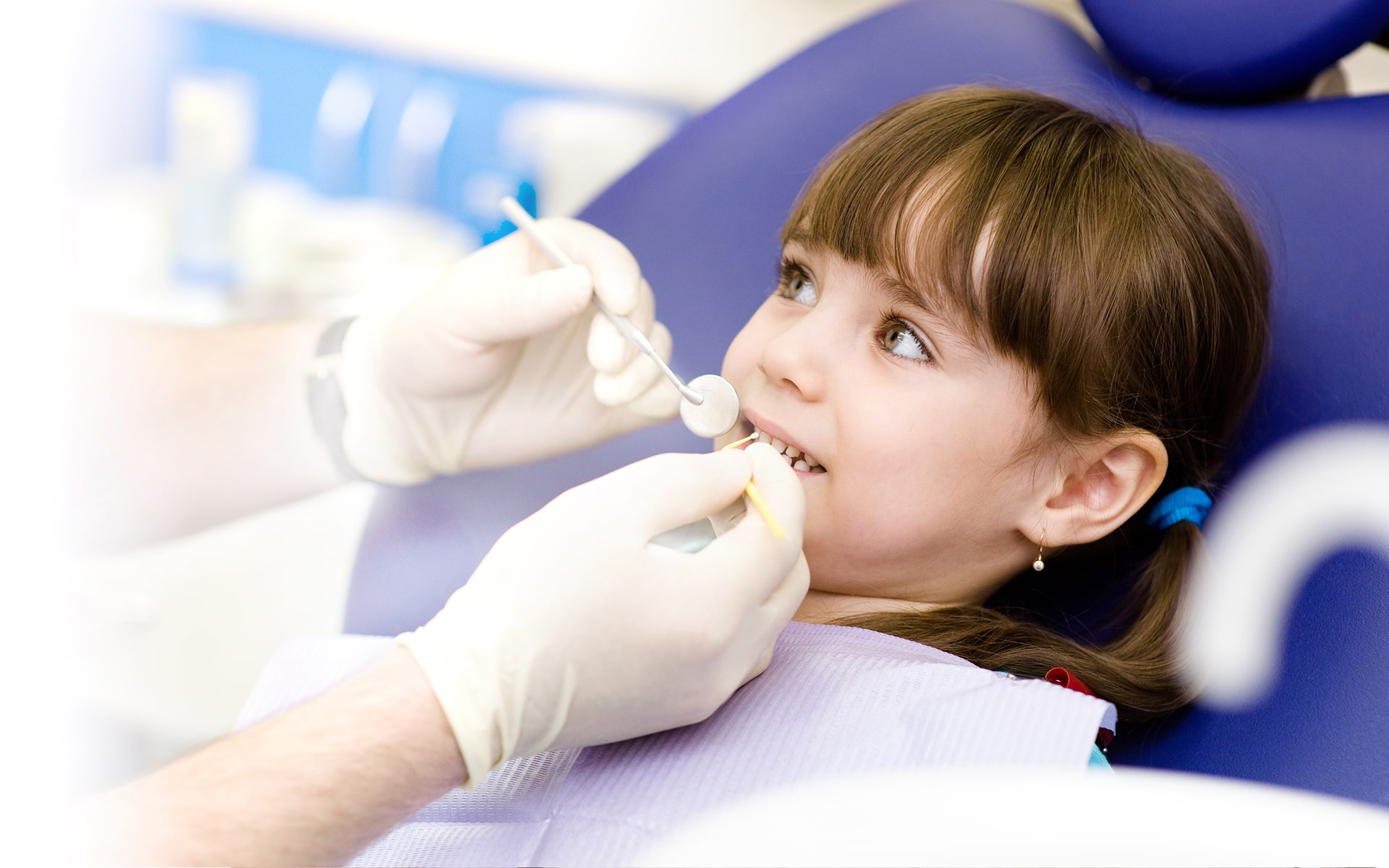
Kids Emergency Dental Treatment Specialist
Immediate Steps to Take in a Dental Emergency
When an injury occurs, your child will likely be crying and distressed. They look to you for cues on how to react. If you panic, they will panic. The single most important thing you can do is take a deep breath and project calmness.
Here is a general checklist to follow immediately after an incident:
- Assess the Situation: Is the child conscious? Are there other injuries (head trauma, concussion signs)? If there is a serious head injury or loss of consciousness, go to the emergency room immediately. Dental care comes second to life-threatening injuries.
- Check the Mouth: Gently inspect the area. Look for bleeding, missing teeth, or displaced teeth.
- Stop the Bleeding: Use sterile gauze or a clean cloth to apply gentle pressure to the bleeding area.
- Manage Pain: If the child is in pain, you can use an age-appropriate over-the-counter pain reliever, but avoid putting aspirin directly on the gums or teeth.
- Call Evergreen Pediatric & Airway Dentistry: Contact us as soon as possible. We can triage the situation over the phone and prepare for your arrival.
What to Do for a Knocked-Out Tooth (Avulsed Tooth)
This is the most time-sensitive dental emergency. A permanent tooth that has been knocked out has the highest chance of survival if re-implanted within 30 minutes.
If it is a Permanent Tooth:
- Find the Tooth: Locate the tooth immediately. Handle it only by the crown (the white chewing part), never by the root. Touching the root can damage the delicate cells needed for reattachment.
- Rinse Gently: If the tooth is dirty, rinse it briefly with cold water. Do not scrub it or use soap.
- Re-implant if Possible: Try to gently place the tooth back into the socket. Have your child bite down on a piece of gauze or a clean cloth to hold it in place.
- Store Properly: If you cannot put the tooth back in, it must be kept moist. Place it in a container of cold milk. If milk isn’t available, use the child’s saliva (have them spit into a cup). Do not store it in tap water, as this can damage the root cells.
- Seek Help Immediately: Get to the dentist right away. Time is the enemy here.
If it is a Baby Tooth:
The rules are different for primary teeth. Do not try to re-implant a knocked-out baby tooth. Doing so can damage the developing permanent tooth underneath.
However, you should still schedule a visit with Evergreen Pediatric & Airway Dentistry. We need to ensure that the entire tooth came out and that there is no damage to the gum, bone, or surrounding teeth. We will also check to make sure the permanent tooth hasn’t been impacted.
Handling a Chipped or Broken Tooth
A broken tooth might look scary, but it is often less urgent than a knocked-out tooth. However, prompt treatment is still vital to prevent infection and pain.
If your child chips or breaks a tooth, try to find the broken fragment. Place it in a container of milk or water; sometimes, we can bond the piece back onto the tooth.
Rinse your child’s mouth with warm water to clean the area. If there is swelling caused by the trauma, apply a cold compress to the outside of the cheek. If the break is significant, the nerve inside the tooth might be exposed, which is very painful. In this case, immediate dental care is necessary to protect the nerve and save the tooth.
At Evergreen Pediatric & Airway Dentistry, our goal is to restore your child’s smile so it looks as good as new. Depending on the severity of the break, we might use dental bonding, a veneer, or a crown to fix the tooth.
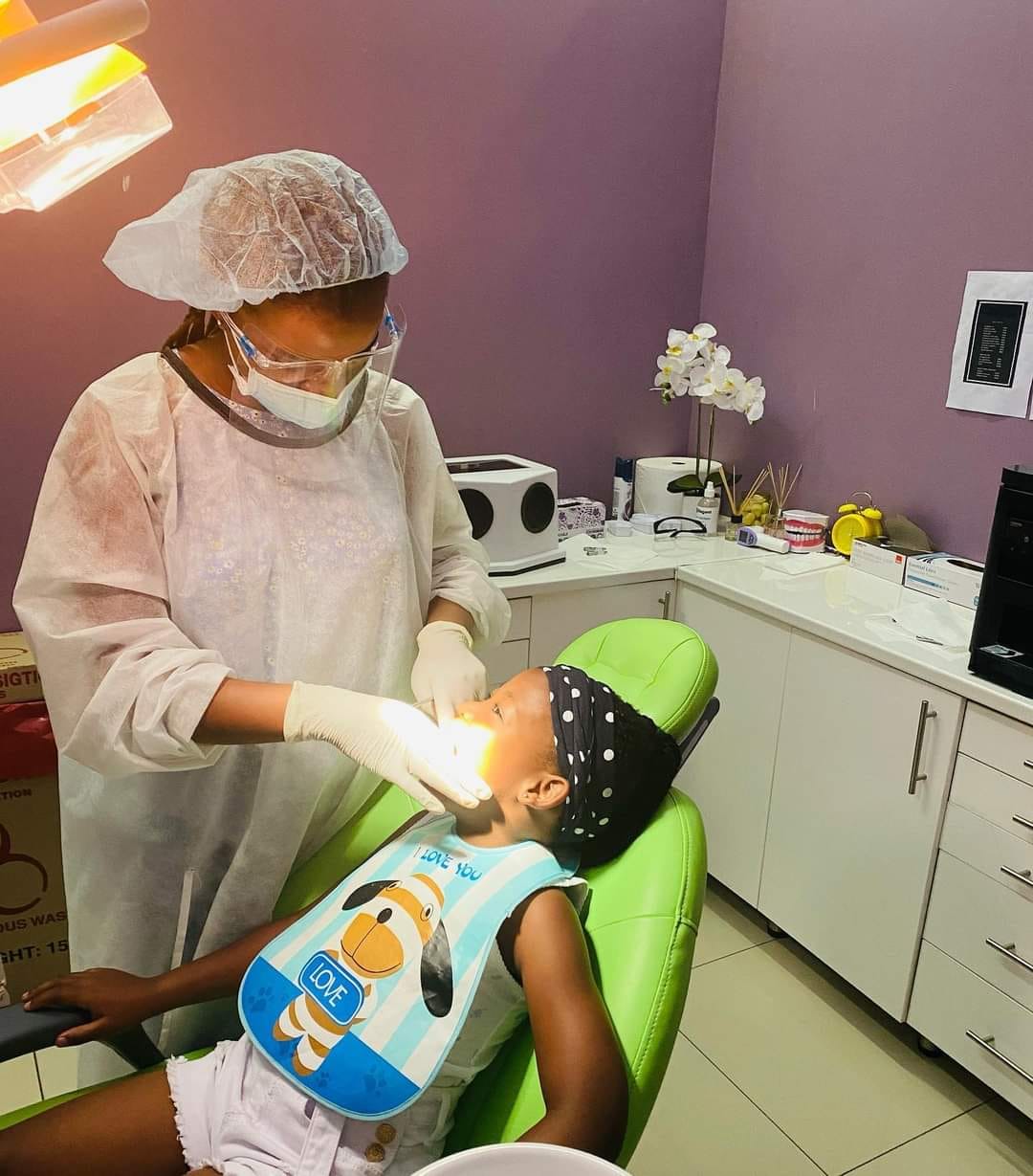
Emergency Kids Dentist
Managing Toothaches and Swelling
A toothache is often a sign of an underlying problem that has been brewing for a while. While it might not seem as dramatic as a fall on the playground, it can be just as distressing for a child.
Common causes include:
- Food impaction: Something stuck between the teeth.
- Cavities: Deep dental decay reaching the nerve.
- Eruption pain: New teeth coming in.
- Trauma: A previous injury that is now causing symptoms.
Home Care Steps:
Start by thoroughly cleaning the area. Have your child rinse with warm salt water to soothe inflammation. Use dental floss to gently remove any food that might be trapped.
Never place an aspirin or heat directly on the gum or tooth, as this can cause a chemical burn or increase swelling. If the face is swollen, apply a cold compress to the outside of the cheek.
Facial swelling is a red flag. It often indicates an infection or abscess. If your child has a swollen face or a fever alongside a toothache, this is a true emergency. Contact Evergreen Pediatric & Airway Dentistry immediately for an evaluation. We will identify the source of the infection and treat it to prevent it from spreading.
Soft Tissue Injuries: Lips, Tongue, and Gums
The mouth is full of blood vessels, which is why even a small cut on the lip or tongue can look like a scene from a horror movie. While the amount of blood can be frightening, these injuries often heal quickly on their own.
How to Manage the Injury:
- Stay Calm: Reassure your child.
- Clean the Area: Rinse the mouth with mild salt water or use a damp, clean cloth to wipe the area.
- Apply Pressure: Use a clean piece of gauze or a tea bag to apply firm but gentle pressure to the bleeding site for 10–15 minutes.
- Ice It: Apply a cold compress or a popsicle to the area to reduce swelling and numbing pain.
If the bleeding does not stop after 15 minutes of pressure, or if the cut appears deep and gapes open, you should seek professional care. Stitches might be required. At Evergreen Pediatric & Airway Dentistry, we take a gentle approach to examining soft tissue injuries, ensuring we assess for any underlying damage to the teeth or jawbone that might not be immediately visible.
Strategies for Preventing Dental Emergencies
The best way to handle an emergency is to prevent it from happening in the first place. While you can’t stop every accident, you can significantly reduce the risks.
Use Mouthguards: This is the number one defense for active children. If your child plays sports—contact or non-contact—a mouthguard is essential. Custom-fitted mouthguards from the dentist offer the best protection and comfort, making it more likely your child will actually wear them.
Childproof Your Home: For toddlers, cover sharp corners on furniture and use gates to prevent falls down stairs.
Watch What They Eat: Discourage chewing on ice, popcorn kernels, or hard candies. These are common culprits for cracked teeth.
Don’t Skip Checkups: Regular visits to Evergreen Pediatric & Airway Dentistry allow us to catch problems early. We can identify weak enamel or early signs of decay that could lead to painful emergencies later. We also provide education on safety and hygiene tailored to your child’s age and lifestyle.
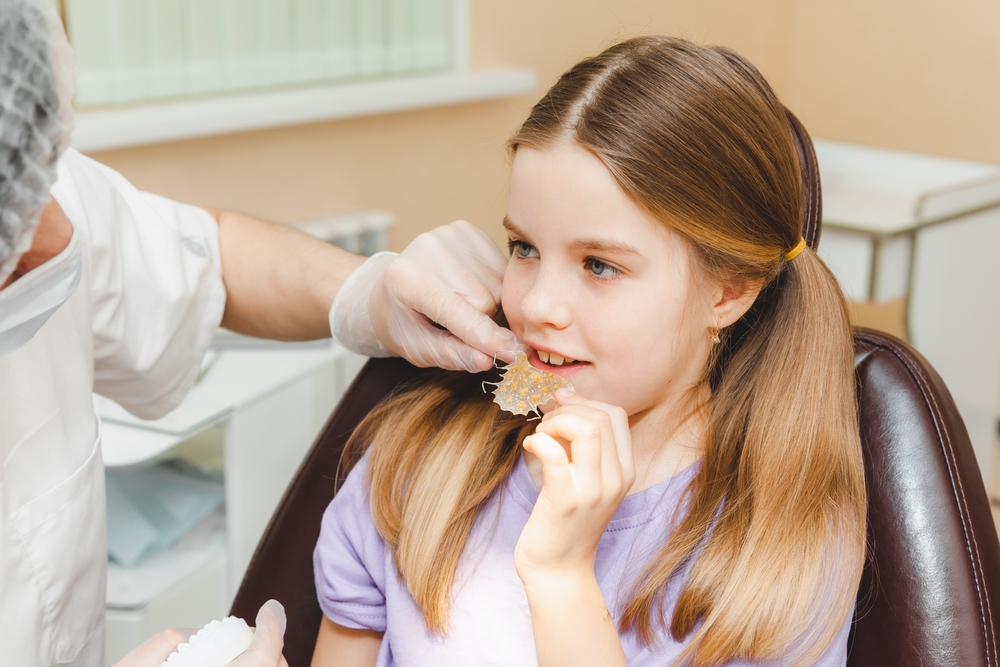
Children Urgent Dental Care
Why Choose Evergreen Pediatric & Airway Dentistry for Emergencies
When your child is hurt, you want a provider who specializes in young smiles. Dr. Susan and the team at Evergreen Pediatric & Airway Dentistry are uniquely equipped to handle traumatic injuries with a gentle touch.
We know that a dental emergency can create a lifelong fear of the dentist if not handled correctly. Our approach is centered on keeping the child calm and comfortable. We use child-friendly language to explain what is happening, and our state-of-the-art facility is designed to be a soothing environment.
We prioritize emergency cases because we know that time matters. Whether it’s saving an avulsed tooth or relieving the pain of a severe infection, we are committed to being there when you need us most. We don’t just fix teeth; we care for the whole child, ensuring their airway and overall health are considered in every treatment plan.
Navigating the Unexpected with Confidence
Dental emergencies are stressful, messy, and frightening. But they are also manageable. By staying calm, acting quickly, and knowing the right steps to take, you can make a massive difference in your child’s recovery.
Remember, you don’t have to face these moments alone. Save the contact information for Evergreen Pediatric & Airway Dentistry in your phone right now. Knowing you have a dedicated team of experts ready to support you can provide incredible peace of mind.
If you have questions about emergency preparedness or want to schedule a preventive checkup to discuss mouthguards, don’t hesitate to reach out. We are here to keep those little smiles safe, healthy, and bright.
Evergreen Pediatric & Airway Dentistry
Dr. Susan Kim
12910 Totem Lake Blvd NE #103
Kirkland, WA 98034
(425) 814-3196
Get Directions on Google Maps
evergreenkidsdentist.com