
How Pediatric Dentistry Supports Healthy Growth from Baby Teeth to Teens
Raising a child is a series of milestones. From their first smile to their first steps, and eventually to their first day of high school, every phase brings new developments. One of the most critical—yet sometimes overlooked—aspects of this journey is oral health. A child’s mouth is the gateway to their body, playing a pivotal role in eating, speaking, breathing, and even sleeping.
The evolution from a gummy smile to a full set of permanent teeth is a complex process. It requires more than just brushing before bed; it requires a partner who understands the unique physiological and emotional needs of growing children. This is where pediatric dentistry steps in. Unlike general dentistry, which focuses broadly on oral care for all ages, pediatric dentistry is a specialized field dedicated to monitoring and guiding oral development from infancy through adolescence.
At Evergreen Pediatric & Airway Dentistry, we believe that a healthy smile is the foundation for a healthy life. We understand that early experiences shape a child’s attitude toward healthcare for the rest of their lives. By focusing on comprehensive care that includes airway health, preventive strategies, and growth guidance, we aim to ensure that every child reaches their full potential—one tooth at a time.
The Importance of Baby Teeth: Building a Strong Foundation
There is a common misconception among many parents that because baby teeth (primary teeth) eventually fall out, they aren’t as important as permanent teeth. This couldn’t be further from the truth. Baby teeth act as the blueprint for a child’s future oral health. They serve as placeholders for the permanent teeth growing beneath the gums. If a baby tooth is lost too early due to decay or injury, the surrounding teeth may drift into the empty space. This can cause the permanent tooth to come in crooked or crowded, leading to complex orthodontic issues later in life.
Beyond their role as space savers, primary teeth are essential for a child’s daily functioning.
- Nutrition and Digestion: Strong baby teeth allow children to chew food properly. Being able to grind and break down various textures is crucial for good digestion and ensures growing bodies get the nutrients they need.
- Speech Development: Teeth play a vital role in speech. The tongue strikes the teeth to form specific sounds (like ‘t’, ‘d’, ‘s’, and ‘l’). Missing or decayed teeth can impede clear articulation, potentially affecting a child’s confidence and communication skills during those critical early school years.
- Jaw Development: The act of chewing stimulates the growth of the jawbone and facial muscles. Proper usage of primary teeth helps ensure the jaw develops correctly to accommodate the larger permanent teeth.
At Evergreen Pediatric & Airway Dentistry, we emphasize early care to protect these vital assets. Treating cavities in baby teeth isn’t just about stopping pain; it’s about preserving the integrity of the arch and ensuring the mouth is ready for the transition to permanent dentition. We educate parents on how to care for these teeth from the moment the very first one erupts.
Pediatric Dental Care
Early Dental Visits: Setting the Tone for a Lifetime of Healthy Habits
The American Academy of Pediatric Dentistry recommends that a child should see a dentist by their first birthday or within six months of the eruption of their first tooth. This might seem early to some parents, but these initial visits are about much more than just checking for cavities. They are about acclimation, education, and prevention.
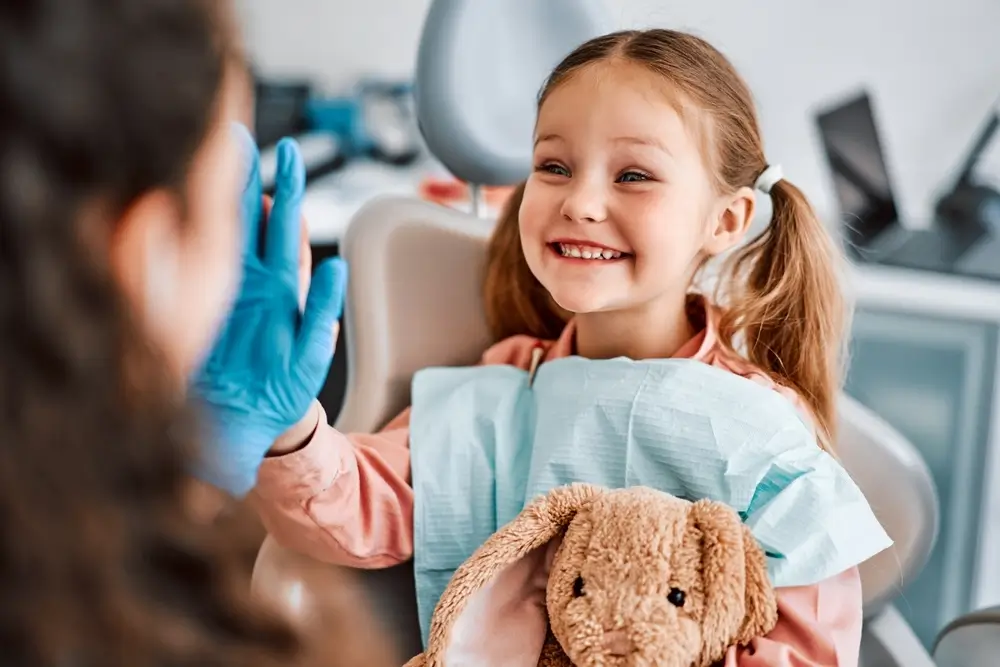
The “dental home” concept is central to our philosophy. By establishing a relationship with a dentist early, we normalize the environment for the child. The sights, sounds, and sensations of a dental office can be overwhelming if a child’s first visit is due to a toothache or trauma. When the first few visits are happy, easy check-ups, the child learns that the dentist is a safe and friendly place.
Creating Positive Experiences
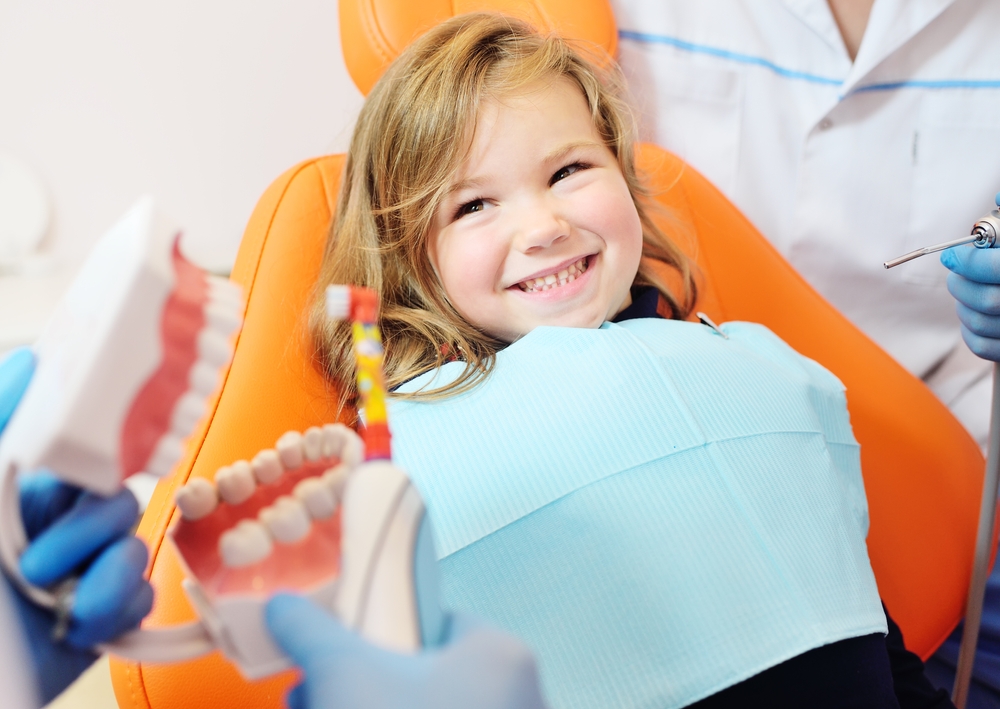
We know that anxiety can be a barrier to care. That is why Evergreen Pediatric & Airway Dentistry is designed specifically for children. Our environment is welcoming and non-threatening. We use “tell-show-do” techniques, where we explain what we are going to do in simple terms, show the child the instrument or process on a model or their finger, and then do the procedure. This demystifies the experience and builds trust.
During these early visits, we also spend significant time with the parents. We discuss:
- Teething comfort measures.
- Proper techniques for cleaning infant teeth and gums.
- Dietary counseling, specifically regarding bottle and breastfeeding habits that can lead to decay.
- Pacifier use and thumb-sucking habits.
By intervening early and providing guidance, we empower parents to be active participants in their child’s oral health, setting the stage for a lifetime of cavity-free visits.
Preventive Care: More Than Just Brushing and Flossing
While brushing twice a day and flossing daily are non-negotiable habits, home care alone is often not enough to fully protect a growing child’s teeth. Pediatric dental care relies heavily on proactive, professional preventive care to stop problems before they start.
Regular Check-ups and Cleanings
Bi-annual visits allow us to monitor growth and development. We remove plaque and tartar buildup that a toothbrush can’t reach. More importantly, we can spot demineralization (the first stage of a cavity) early. Often, with changes in hygiene or diet, these early spots can be reversed without the need for a filling.
Fluoride Treatments
Fluoride is a natural mineral that strengthens tooth enamel, making it more resistant to acid attacks from plaque bacteria and sugars in the mouth. Professional fluoride varnish applications during check-ups provide a highly concentrated boost of protection that helps remineralize weak spots in the enamel.
Dental Sealants
One of the most effective tools in our preventive arsenal is the dental sealant. Children’s permanent molars have deep grooves and pits on the chewing surfaces where food and bacteria easily get trapped. Toothbrush bristles often cannot reach into these microscopic crevices. Sealants are thin, protective coatings applied to these chewing surfaces. They act as a barrier, effectively “sealing out” decay-causing bacteria. The application is quick, painless, and can protect teeth for many years during the most cavity-prone ages.
Evergreen Pediatric & Airway Dentistry takes a customized approach to prevention. We assess each child’s specific risk factors—such as diet, enamel quality, and oral hygiene ability—to create a preventive plan that suits them best.

Pediatric Dental Treatment
Addressing Airway Health and Its Impact on Growth
Modern pediatric dentistry has evolved beyond just looking at teeth and gums. At Evergreen Pediatric & Airway Dentistry, we look at the whole child, with a specific focus on airway health. Breathing is the most fundamental function of life, yet many children suffer from undiagnosed airway issues that affect their growth, behavior, and dental development.
The mouth is part of the airway. How a child breathes—whether through their nose or their mouth—dictates how their face and jaws grow.
- Nasal Breathing: This is the healthy standard. When a child breathes through their nose, the tongue rests on the roof of the mouth. The pressure of the tongue shapes the upper jaw into a wide, U-shape, creating plenty of room for teeth and opening up the airway.
- Mouth Breathing: If a child breathes through their mouth (due to allergies, enlarged tonsils, or habit), the tongue drops to the floor of the mouth. Without the support of the tongue, the upper jaw tends to become narrow and high-arched. This can lead to crowding of the teeth and a constricted airway.
Signs of Airway Issues
Parents are often surprised to learn that dental issues and sleep issues are connected. Signs that a child might be struggling with airway health include:
- Mouth breathing during the day or night.
- Snoring or audible breathing during sleep.
- Grinding teeth (bruxism).
- Restless sleep or frequent waking.
- Bedwetting.
- Hyperactivity or difficulty focusing (often misdiagnosed as ADHD).
- Dark circles under the eyes.
Because pediatric dentists look into mouths all day, we are often the first healthcare providers to spot enlarged tonsils or restrictive tongue ties that might be causing these breathing obstructions. We specialize in airway-focused care, collaborating with ENT specialists, myofunctional therapists, and sleep specialists to ensure the child can breathe freely. Correcting these issues early can dramatically improve a child’s quality of life, sleep, and physical development.
Orthodontic Considerations: Straightening Smiles and Supporting Confidence
Orthodontics is not just about aesthetics; it is about function and long-term health. While many people associate braces with the teenage years, the American Association of Orthodontists recommends children have an orthodontic evaluation by age seven.
Early Interceptive Orthodontics (Phase 1)
At this age, children have a mix of baby and permanent teeth. An evaluation allows us to see how the jaw is growing and how the teeth are erupting. In some cases, early intervention is necessary to guide jaw growth, lower the risk of trauma to protruded front teeth, correct harmful oral habits, improve the appearance/self-esteem, and guide permanent teeth into a more favorable position.
For example, if a child’s upper jaw is too narrow (often linked to the airway issues mentioned above), we might use a palatal expander. This widens the jaw to create room for teeth and improve nasal breathing. Treating this while the jaw is still developing is much easier and more effective than trying to correct it in adulthood.
The Confidence Factor
As children transition into their “tween” and teen years, self-image becomes increasingly important. A straight smile can significantly boost a child’s self-esteem. Conversely, crooked teeth or a misaligned bite can make children self-conscious, causing them to hide their smiles. Beyond confidence, straight teeth are easier to clean, reducing the risk of decay and gum disease later in life.
At Evergreen Pediatric & Airway Dentistry, we monitor development at every check-up. We don’t rush into orthodontics, but we ensure that if intervention is needed, it happens at the optimal time for the child’s biology.
Adolescence and Beyond: Navigating New Challenges
As children enter adolescence, their oral health needs shift once again. The teenage years are a time of significant change, independence, and risk. Hormonal surges can increase blood flow to the gums, making them more sensitive and susceptible to periodontal issues (gum disease). This is often when orthodontic treatment is in full swing, requiring diligent hygiene at a time when teens might be less focused on brushing.
Dietary Choices and Independence
Teens have more control over their diets than younger children, and this often leads to an increase in soda, sports drinks, and sugary snack consumption. The high acid and sugar content in these beverages is a leading cause of enamel erosion and cavities in adolescents. We work with our teen patients to help them understand the impact of their choices, offering realistic strategies for minimizing damage.
Sports Safety
For active teens, sports injuries are a real concern. A blow to the face during football, basketball, or even soccer can result in chipped, broken, or knocked-out teeth. We strongly advocate for the use of custom-fitted mouthguards. Unlike boil-and-bite versions, custom guards offer superior protection and comfort, making it more likely the teen will actually wear them.
Wisdom Teeth
Late adolescence (usually between 17 and 21) is when third molars, or wisdom teeth, typically appear. For many, there isn’t enough room in the jaw to accommodate these teeth, leading to impaction, pain, or infection. We monitor the development of wisdom teeth via panoramic X-rays to determine if and when removal is necessary to protect overall oral health.
We treat our teen patients with respect, speaking directly to them rather than just to their parents. We want them to take ownership of their health, preparing them for the transition to adult dentistry.
Pediatric Dental Treatment Specialist
Investing in Your Child’s Future
The journey from a toothless infant to a young adult with a full set of healthy teeth is a marathon, not a sprint. It requires patience, consistency, and the right medical support. Pediatric dentistry provides the specialized care required to navigate the bumps in the road, from teething pain to cavity prevention and airway management.
At Evergreen Pediatric & Airway Dentistry, we are honored to be partners in this journey. We are not just fixing teeth; we are monitoring growth, ensuring proper breathing, and building the confidence that comes with a healthy smile. We provide comprehensive, compassionate care that evolves as your child grows.
If your child is due for a check-up, or if you have concerns about their teeth, airway, or development, we invite you to reach out. Schedule an appointment with us today. Let’s work together to ensure your child’s smile grows strong, healthy, and bright.
Evergreen Pediatric & Airway Dentistry
Dr. Susan Kim
12910 Totem Lake Blvd NE #103
Kirkland, WA 98034
(425) 814-3196
Get Directions on Google Maps
evergreenkidsdentist.com