
How Breathing and Oral Development Are Connected in Growing Kids
As a parent, you keep a close eye on your child’s health, from their diet and sleep schedule to their growth milestones. But one crucial factor that often goes unnoticed is how they breathe. The simple act of breathing, whether through the nose or the mouth, has a profound impact on a child’s oral development, facial structure, and even their overall well-being. Understanding this connection is the first step toward ensuring your child develops a healthy smile and a strong foundation for lifelong health.
This guide explores the critical relationship between breathing patterns and oral development. We will explain the science behind why nasal breathing is so important and outline the potential consequences of habitual mouth breathing. By recognizing the signs and learning proactive strategies, you can help guide your child toward healthier habits.
At Evergreen Pediatric Dentistry, we believe in empowering parents with the knowledge to make informed decisions about their child’s health. We are committed to providing expert guidance and care to support your child’s healthy growth from their very first tooth. Let’s explore how paying attention to your child’s breathing can make all the difference.
The Science of Breathing and Oral Development
Breathing is an automatic function, but the way it’s performed—through the nose or the mouth—sets off a cascade of different physiological responses. These differences are especially significant during a child’s formative years when their facial bones and oral structures are rapidly developing.
Nasal Breathing vs. Mouth Breathing: What’s the Difference?
The human body is designed for nasal breathing. The nose acts as a natural filter, humidifier, and regulator for the air we inhale. When a child breathes through their nose, the air is warmed, moistened, and cleansed of allergens and pollutants before it reaches the lungs. This process not only protects the respiratory system but also promotes the production of nitric oxide, a vital molecule that helps widen blood vessels and improve oxygen circulation throughout the body.
Mouth breathing, on the other hand, bypasses this sophisticated filtration system. It delivers cold, dry, and unfiltered air directly to the lungs, which can irritate the airways and make a child more susceptible to infections. When mouth breathing becomes a habit, it often signals an underlying issue, such as nasal congestion from allergies, enlarged tonsils, or a deviated septum.
How Breathing Shapes the Face and Jaw
The connection between breathing and oral development is most visible in the structure of the face and jaw. During nasal breathing, the tongue naturally rests against the roof of the mouth (the palate). This gentle, constant pressure from the tongue plays a crucial role in shaping the upper jaw, encouraging it to grow wide and forward. A well-developed upper jaw provides ample space for teeth to emerge in their correct positions, reducing the likelihood of crowding and misalignment.
When a child habitually breathes through their mouth, their tongue drops to the floor of the mouth to open the airway. Without the tongue’s formative pressure on the palate, the upper jaw may develop narrowly and high-arched. This altered growth pattern can lead to a cascade of dental and facial changes, including a recessed lower jaw, a longer facial appearance, and a less defined chin. The consistent open-mouth posture can strain the jaw muscles and contribute to future temporomandibular joint (TMJ) issues.

Breathing and Oral Development
The Consequences of Habitual Mouth Breathing
What might seem like a minor habit can have significant, long-term consequences for a child’s health. The developmental changes caused by chronic mouth breathing extend beyond dental alignment, affecting sleep, concentration, and overall quality of life. At Evergreen Pediatric Dentistry, we frequently see how early intervention can prevent these issues from escalating.
Potential issues stemming from mouth breathing include:
- Misaligned Teeth and Bite Problems: A narrow upper jaw, a common result of mouth breathing, leaves insufficient space for permanent teeth to erupt properly. This often leads to crowding, crooked teeth, and bite issues like a crossbite or open bite (where the front teeth don’t meet when the mouth is closed). These orthodontic problems can require extensive treatment later in life.
- Altered Facial Structure: The face develops in response to functional pressures. Without the proper support from the tongue and the functional matrix of nasal breathing, facial growth can be altered. Children who are chronic mouth breathers may develop what is sometimes called “adenoid face” or “long face syndrome,” characterized by a narrow face, a flattened mid-face, a small or recessed chin, and tired-looking eyes.
- Increased Risk of Sleep Disorders: Mouth breathing is strongly linked to sleep-disordered breathing, including snoring and obstructive sleep apnea (OSA). When a child breathes through their mouth at night, the airway is less stable and more likely to collapse. Poor sleep quality resulting from these disruptions can lead to daytime fatigue, difficulty concentrating in school, behavioral problems, and even impact growth hormone production.
- Higher Cavity Risk: Saliva is the mouth’s natural defense against decay-causing bacteria. Mouth breathing dries out the mouth, reducing saliva flow and creating an acidic environment where bacteria can thrive. This significantly increases a child’s risk of developing cavities and gum disease.
Identifying these patterns early is crucial. The team at Evergreen Pediatric Dentistry is trained to spot the subtle signs of breathing-related oral issues during routine check-ups, providing a vital opportunity for early guidance and intervention.
Signs Your Child Might Be a Mouth Breather
Parents are in the best position to observe a child’s daily habits. Recognizing the signs of mouth breathing is the first step toward addressing the underlying cause and preventing potential developmental problems.
Pay attention to these common indicators:
- Open Mouth Posture: The most obvious sign is a child who frequently sits, plays, or watches TV with their mouth open.
- Dry, Chapped Lips: Constant airflow through the mouth leads to dehydration of the lips.
- Snoring or Noisy Breathing at Night: While occasional snoring can be normal, consistent, loud snoring or gasping sounds during sleep are red flags for airway obstruction.
- Bad Breath (Halitosis): A dry mouth environment allows odor-causing bacteria to multiply.
- Frequent Colds or Nasal Congestion: Chronic stuffiness can force a child to breathe through their mouth.
- Dark Circles Under the Eyes: Often called “allergic shiners,” these can be a sign of poor sleep quality related to breathing difficulties.
- Behavioral Issues or Trouble Concentrating: A lack of quality sleep can manifest as hyperactivity, irritability, or difficulty focusing, sometimes misdiagnosed as ADHD.
If you notice any of these signs, it’s important not to dismiss them. A professional evaluation at Evergreen Pediatric Dentistry can help determine if your child’s breathing habits are impacting their oral health and guide you toward the right specialists if needed.

Breathing and Oral Development in Kids
How Nasal Breathing Supports Healthy Oral Development
Encouraging a switch from mouth to nasal breathing can have a powerful positive impact on a child’s development. The benefits extend beyond just oral health.
When a child breathes through their nose:
The Tongue Finds Its Proper Place
Nasal breathing allows the tongue to rest naturally on the palate, where it acts as a gentle expander for the upper jaw. This positioning is essential for creating adequate space for adult teeth to align properly. Encouraging nasal breathing early can help support optimal jaw development and prevent overcrowding issues.
Jaw Growth Becomes More Balanced
When the tongue rests in its ideal position due to nasal breathing, the upper and lower jaws are more likely to grow in harmony. This balance promotes a stable bite and a well-proportioned facial profile. Proper jaw development not only benefits oral health but also contributes to overall facial symmetry.
Sleep and Concentration Improve
Efficient nasal breathing enables deeper, more restorative sleep by improving oxygen flow and reducing disruptions like snoring. Better sleep quality enhances a child’s mood, focus, and ability to learn. By prioritizing good breathing habits, parents can support their child’s cognitive development and overall well-being over the long term.
Our team at Evergreen Pediatric Dentistry can provide simple tips and exercises to help encourage nasal breathing, such as gentle reminders for lip-sealing and fun activities that promote tongue-to-palate posture.
Proactive Steps for Healthy Development
Once you recognize the importance of nasal breathing, you can take several proactive steps to encourage this healthy habit in your child.
Address Allergies and Nasal Blockages
If your child has chronic nasal congestion due to allergies, enlarged tonsils, or other obstructions, they cannot breathe through their nose even if they try. Work with your pediatrician or an allergist to manage allergies. If enlarged tonsils or adenoids are suspected, a consultation with an Ear, Nose, and Throat (ENT) specialist may be necessary.
Encourage Proper Tongue Posture
Gently remind your child to keep their lips together and tongue resting on the roof of their mouth when they are relaxed. At Evergreen Pediatric Dentistry, we can offer simple exercises and cues to help your child develop awareness of their tongue position. Correct tongue posture is foundational for proper jaw development.
Promote Good Posture
Slouching can constrict the airway and encourage a forward head position, which often leads to mouth breathing. Encourage your child to sit and stand up straight to help keep their airway open and aligned.
Schedule Regular Dental Check-ups
Routine dental visits are about more than just checking for cavities. Our team at Evergreen Pediatric Dentistry assesses your child’s overall oral development, including jaw growth, tooth alignment, and the soft tissues of the mouth. We can identify the early signs of mouth breathing’s impact and create a plan to address it.
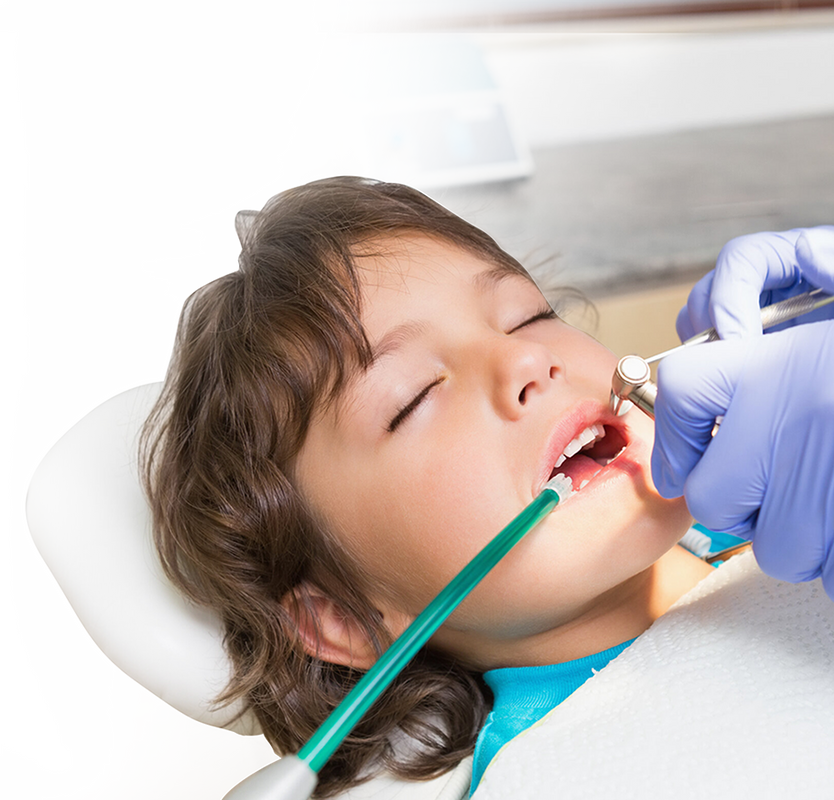
Breathing and Oral Development Treatment
How Evergreen Pediatric Dentistry Can Help
Our practice is dedicated to a holistic approach to children’s oral health. We understand that the mouth is intricately connected to the rest of the body, and we are equipped to support your child’s healthy development in several ways:
Early Detection and Monitoring
We screen for early signs of breathing-related oral issues during every check-up, ensuring that potential concerns are identified promptly. By tracking your child’s growth and development over time, we can assess changes in oral and facial structure, allowing for proactive steps to address any challenges as they arise.
Customized Guidance
If we identify any concerns, we offer tailored advice to support your child’s oral health. This may include recommending myofunctional exercises designed to improve tongue posture and encourage nasal breathing. These simple, preventative measures can play a crucial role in fostering healthy oral habits and overall well-being in the long term.
Collaborative Care
We work closely with a network of trusted healthcare professionals, including pediatricians, ENTs, and allergists, to provide comprehensive care for your child. By addressing any underlying conditions contributing to mouth breathing, we aim to create a coordinated care plan that prioritizes your child’s overall health and long-term wellness.
Orthodontic Intervention
For children whose jaw development has been impacted by mouth breathing, we offer early interceptive orthodontic treatments. These interventions are designed to guide proper growth patterns and ensure adequate space for permanent teeth, helping restore balance to the oral structure while preventing future complications linked to improper development.
Our goal is to partner with you to give your child the best possible start for a healthy life.
Setting the Foundation for Lifelong Health
Proper breathing is a cornerstone of a child’s healthy breathing development. By ensuring your child breathes through their nose, you are supporting the growth of a balanced facial structure, properly aligned teeth, and a stable airway for restful sleep. This simple, often-overlooked habit pays dividends for a lifetime, contributing to better focus, improved health, and a confident smile.
Taking a proactive approach is key. By observing your child’s habits, seeking professional guidance, and addressing any underlying issues, you can make a lasting positive impact. Don’t wait for developmental problems to become apparent. Let us help you set the foundation for your child’s future well-being.
Schedule a consultation with Evergreen Pediatric Dentistry today to ensure your child is on the path to healthy development!
Evergreen Pediatric & Airway Dentistry
Dr. Susan Kim
12910 Totem Lake Blvd NE #103
Kirkland, WA 98034
(425) 814-3196
Get Directions on Google Maps
evergreenkidsdentist.com