Early Signs Your Child Might Have Sleep-Disordered Breathing
A good night’s sleep is one of the most important things for a child’s health and happiness. Restorative sleep fuels their growth, supports their learning, and stabilizes their mood. When a child sleeps well, they wake up refreshed and ready to take on the day. But what happens when their sleep is consistently disrupted? For many children, the culprit is an often-overlooked condition known as sleep-disordered breathing (SDB).
SDB can quietly interrupt a child’s rest, leading to a cascade of issues that affect everything from their behavior at school to their physical development. Many parents might dismiss signs like snoring or restless nights as normal childhood quirks, but these can be indicators of a more significant underlying issue that needs attention. Recognizing the early signs is the first and most critical step toward ensuring your child gets the healthy, uninterrupted sleep they need to thrive.
At Evergreen Pediatric Dentistry, we understand the profound impact that quality sleep has on a child’s overall well-being. Our team is trained to identify the subtle oral and facial signs linked to sleep-disordered breathing. We are dedicated to partnering with parents to not only spot these issues early but also to guide them toward effective solutions that restore peaceful nights and promote healthy development.
What Is Sleep-Disordered Breathing (SDB)?
Sleep-disordered breathing is not a single condition but rather a spectrum of breathing difficulties that occur during sleep. These issues range from simple snoring to more severe conditions like obstructive sleep apnea (OSA). At its core, SDB involves a partial or complete blockage of the airway, which forces the body to work harder to breathe. This struggle disrupts the natural sleep cycle, preventing the brain and body from reaching the deep, restorative stages of sleep.
While many people associate these problems with adults, SDB is surprisingly common in children. It’s estimated that up to 5% of children experience some form of sleep-disordered breathing. The most common conditions under the SDB umbrella include:
- Loud, Habitual Snoring: While occasional soft snoring can be normal, loud and frequent snoring is often the most noticeable sign of a partially obstructed airway.
- Mouth Breathing: When nasal passages are blocked, children may compensate by breathing through their mouths. Chronic mouth breathing during sleep is a major red flag for SDB.
- Obstructive Sleep Apnea (OSA): This is the most severe form of SDB, where the airway becomes completely blocked, causing pauses in breathing. These pauses, called apneas, can last for several seconds and occur multiple times throughout the night, leading to drops in oxygen levels.
When a child’s breathing is compromised during sleep, their body remains in a state of stress. This prevents them from cycling through the sleep stages necessary for physical recovery, memory consolidation, and emotional regulation.
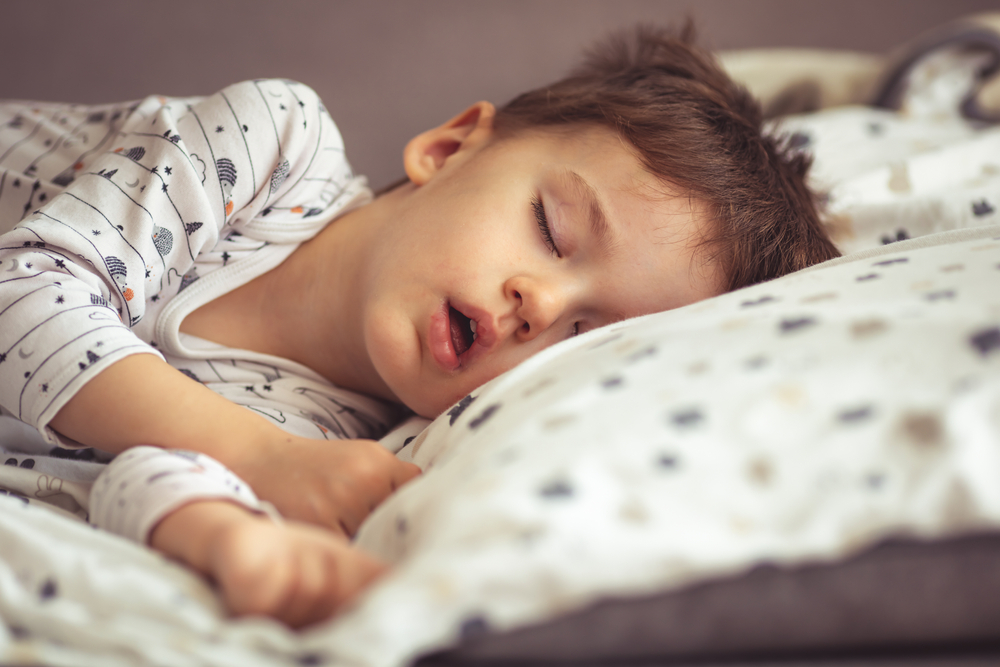
Sleep-Disordered Breathing in Children
Early Signs of Sleep-Disordered Breathing in Children
As a parent, you are in the best position to notice the subtle signs that your child’s sleep is not as restful as it should be. Many of the most obvious clues appear during the night, but the effects of poor sleep often manifest as behavioral or health issues during the day. Here are key signs to watch for:
- Loud Snoring or Noisy Breathing: This is the hallmark symptom. If your child’s snoring is loud enough to be heard from another room or is punctuated by gasps, choking sounds, or snorts, it’s a strong indicator of an airway obstruction.
- Restless Sleep or Frequent Waking: Children with SDB often toss and turn, sleep in unusual positions (like with their neck hyperextended), or wake up frequently throughout the night. You might also notice heavy sweating during sleep.
- Mouth Breathing: Observe your child while they sleep. Is their mouth consistently open? Chronic mouth breathing not only points to nasal obstruction but can also lead to a dry mouth and an increased risk of cavities. You might notice they have a dry mouth or complain of a sore throat in the morning.
- Pauses in Breathing: This is a sign of sleep apnea and requires immediate attention. You may observe a moment where your child stops breathing, followed by a gasp or snort as their body struggles to restart the flow of air.
- Daytime Fatigue and Irritability: A child who isn’t getting restorative sleep will often be tired during the day. Unlike adults who become sluggish, tired children can become irritable, emotionally volatile, or hyperactive.
- Difficulty Focusing or Behavioral Issues: SDB is frequently misdiagnosed as ADHD. The inability to concentrate, impulsivity, and hyperactivity can all be direct results of sleep fragmentation. If your child is struggling at school, it’s worth considering the quality of their sleep.
- Bedwetting: If a child who was previously dry at night starts wetting the bed again, it could be linked to SDB. The body’s stress response during breathing episodes can interfere with bladder control.
If you notice one or more of these signs, try to observe your child’s sleep patterns for a few nights. Documenting what you see and hear can provide valuable information for a healthcare professional. Consulting with an expert is the next step to understanding what’s happening and how to help.
Why Early Detection Is Crucial
Ignoring the signs of sleep-disordered breathing (SDB) can have significant and lasting consequences on a child’s development. The consistent sleep disruption and potential drops in oxygen levels can affect nearly every aspect of their health. Untreated SDB is not something a child will simply “grow out of.” In fact, without intervention, the problems can become more pronounced over time.
Potential long-term effects of untreated SDB include:
- Impaired Growth and Development: The deepest stage of sleep is when the body releases growth hormone. By preventing restorative sleep, SDB can interfere with a child’s physical growth and development.
- Behavioral and Learning Challenges: Chronic sleep deprivation directly impacts brain function. This can lead to attention problems, difficulty with memory and learning, and behavioral issues that are often mistaken for ADHD or other learning disabilities. A child struggling to stay awake and focused in the classroom cannot reach their full academic potential.
- Cardiovascular Strain: In severe cases like obstructive sleep apnea, the repeated drops in oxygen and the body’s stress response can put a strain on the heart and cardiovascular system over time.
- Dental and Orthodontic Issues: Chronic mouth breathing alters the way the jaw and facial bones develop. It can lead to a narrow palate, crowded teeth, a recessed chin, and other orthodontic problems that require extensive treatment later in life.
Early detection and intervention are key to preventing these complications. Addressing SDB in childhood can dramatically improve a child’s quality of life, allowing them to grow, learn, and thrive without the hidden burden of sleep deprivation.
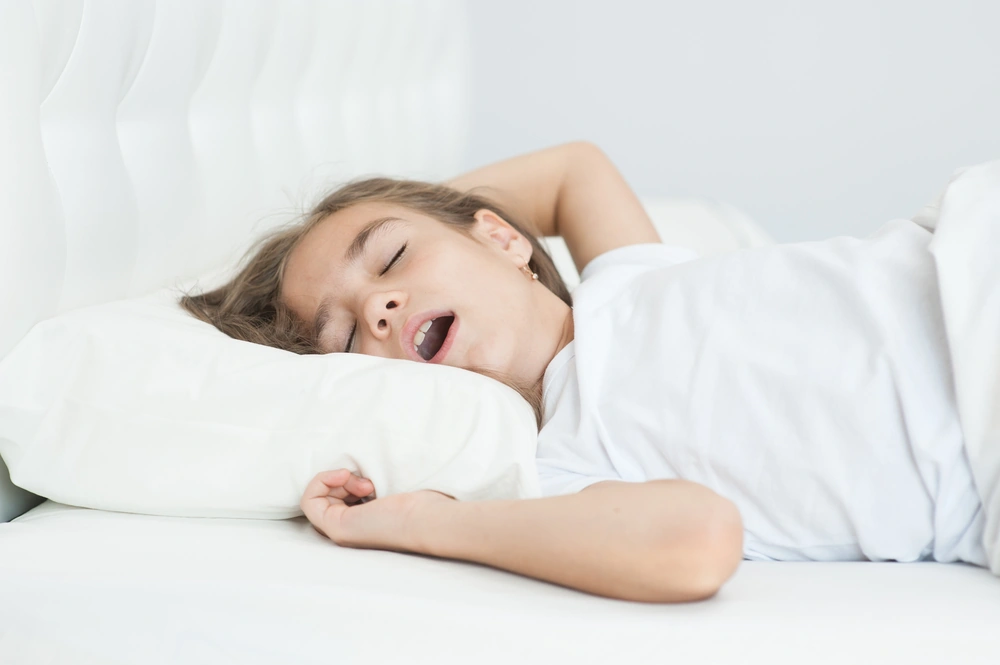
Sleep-Disordered Breathing Issue in Children
The Role of Pediatric Dentistry in Identifying SDB
You might be surprised to learn that your pediatric dentist is often one of the first healthcare professionals to spot the early warning signs of sleep-disordered breathing. During routine checkups, we do more than just look for cavities. At Evergreen Pediatric Dentistry, our team is trained to perform a comprehensive evaluation of the mouth, jaw, and airway, which can reveal the tell-tale signs of SDB.
The oral cavity provides a window into a child’s overall breathing and sleep health. Specific dental and facial indicators we look for include:
- A Narrow, High-Arched Palate: When a child breathes through their mouth instead of their nose, the tongue doesn’t rest properly against the roof of the mouth. This can prevent the palate from developing to its full, wide shape, leading to a narrow arch that restricts the nasal airway.
- Crowded Teeth: A narrow palate means there isn’t enough room for adult teeth to erupt properly, resulting in crowding and the need for orthodontic work.
- Worn-Down Teeth from Grinding (Bruxism): Teeth grinding is often a subconscious response to a blocked airway. As the body struggles to breathe, the jaw clenches and grinds to try and open the airway. This can cause significant wear on the teeth.
- Enlarged Tonsils or Adenoids: During an oral exam, we can often see enlarged tonsils at the back of the throat, which are a common cause of airway obstruction in children.
- A Recessed Chin or “Long” Face: Chronic mouth breathing can impact facial development, leading to a longer, narrower facial structure and a chin that appears set back.
Because we see our patients regularly, we are in a unique position to track these developmental changes over time and connect them to potential sleep and breathing issues.
How Evergreen Pediatric Dentistry Can Help
If we identify risk factors for SDB during an examination, our goal is to provide parents with a clear path toward diagnosis and treatment. At our office at Evergreen Pediatric Dentistry, we take a collaborative and compassionate approach to addressing these complex issues.
Our services include:
- Comprehensive Oral and Airway Exams: We conduct thorough evaluations to identify the structural and functional signs of SDB. This includes assessing the palate, bite, tonsils, and tongue posture.
- Collaboration with Specialists: Diagnosing and treating SDB is a team effort. We work closely with trusted local sleep specialists, ENTs (ear, nose, and throat doctors), and other medical professionals to ensure your child receives an accurate diagnosis and a comprehensive treatment plan.
- Custom Oral Appliances: For some children, a custom-fit oral appliance can be a highly effective, non-invasive treatment. These devices are worn during sleep to help position the jaw forward, keeping the airway open and promoting healthy nasal breathing. They can also guide the growth of the jaw to create more space for the teeth and tongue.
Our team is committed to making parents feel heard, informed, and empowered. We understand that discussing your child’s health can be stressful, and we are here to answer your questions and support your family every step of the way.

Sleep-Disordered Breathing Treatment
Tips for Parents: Supporting Your Child’s Sleep Health
While professional guidance is essential, there are also steps you can take at home to support healthy sleep and breathing for your child.
Establish a Consistent Bedtime Routine
A predictable and calming bedtime routine can signal your child’s body that it’s time to wind down. Activities like a warm bath, quiet reading, or soothing music create a relaxing environment conducive to good sleep.
Encourage Nasal Breathing
Remind your child to breathe through their nose throughout the day. Nasal breathing promotes proper airflow and supports better oxygen intake, which can lead to improved breathing patterns during sleep.
Address Allergies
Chronic nasal congestion from allergies can lead to mouth breathing. Consult a pediatrician or allergist to manage allergy symptoms effectively and help your child maintain clear nasal passages.
Create a Sleep-Friendly Environment
Design a bedroom space ideal for sleep by keeping it dark, cool, and quiet. Turn off all screens an hour before bedtime, as blue light can disrupt your child’s natural sleep rhythm.
Schedule Regular Dental Checkups
Routine visits to Evergreen Pediatric Dentistry ensure we can monitor your child’s oral and facial development closely. Early detection of sleep-disordered breathing (SDB) signs allows for timely intervention and support.
Helping Your Child Sleep Soundly
Recognizing that your child might be struggling with sleep-disordered breathing issue is the first step toward helping them get the restful, healthy sleep they deserve. The signs can be subtle, but their impact on a child’s life is significant. By paying attention to their sleep habits and seeking professional guidance, you can uncover the root cause of their issues and set them on a path to better health.
With the right care and early intervention, your child can overcome the challenges of SDB and enjoy the countless benefits of sound sleep. Don’t wait to address your concerns. Your child’s health, happiness, and future development depend on it.
If you have noticed any of the signs mentioned in this post or have concerns about your child’s sleep, schedule an appointment with Evergreen Pediatric Dentistry today. Let’s work together to ensure your child breathes easy, sleeps soundly, and grows up healthy.
Evergreen Pediatric & Airway Dentistry
Dr. Susan Kim
12910 Totem Lake Blvd NE #103
Kirkland, WA 98034
(425) 814-3196
Get Directions on Google Maps
evergreenkidsdentist.com